
Choosing to say goodbye to glasses or contact lenses is a life-changing decision. Among the various vision correction options available in 2025, SMILE (Small Incision Lenticule Extraction) has emerged as the “gold standard” for patients seeking a flapless, minimally invasive procedure.
However, a common question remains: What is the cost of SMILE eye surgery, and is it worth the investment?
In this comprehensive guide, we break down the costs, factors, and benefits of SMILE surgery to help you make an informed decision for your vision.
What is SMILE eye surgery?
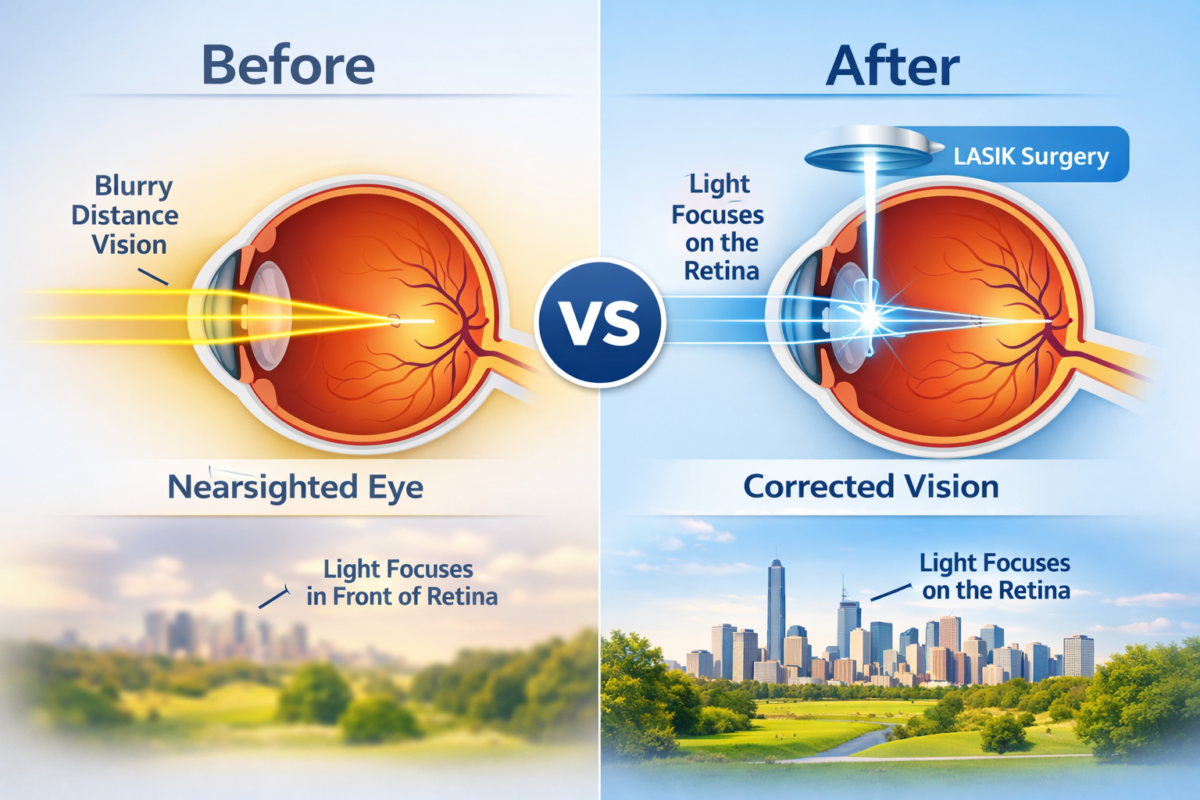
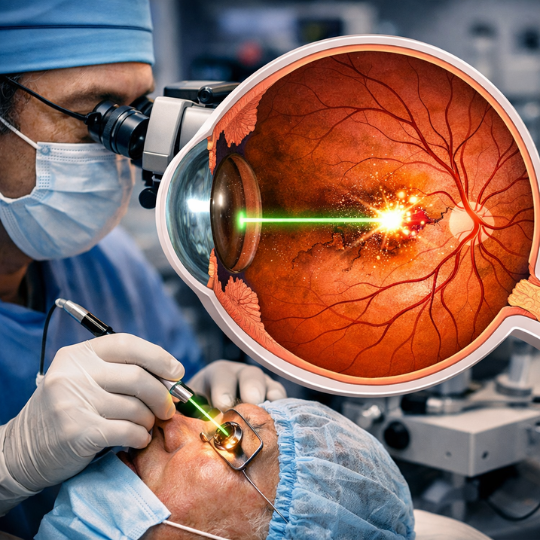
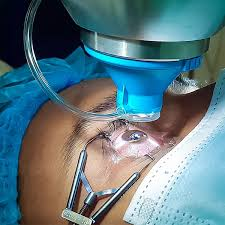
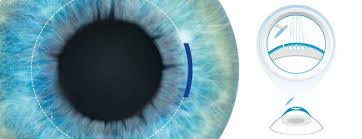
SMILE is the latest generation of laser vision correction. Unlike traditional LASIK, which involves creating a large circular flap on the cornea, SMILE is a “keyhole” procedure. A femtosecond laser creates a tiny, lens-shaped tissue (lenticule) inside the cornea, which is then removed through a microscopic incision (2–4 mm).
Key Benefits of SMILE:
- No Flap Complications: Since there is no flap, there is zero risk of flap displacement.
- Less Dry Eye: It preserves more corneal nerves, significantly reducing postoperative dryness.
- Faster Recovery: Most patients return to sports and work within 24–48 hours.
- Structural Integrity: It maintains the eye’s natural strength better than older methods.

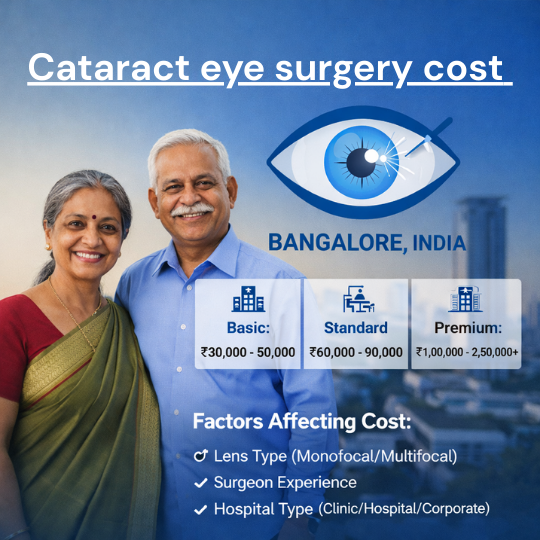
Average Cost of SMILE Eye Surgery in 2025
The cost of SMILE surgery varies based on the technology, the city, and the clinic’s expertise. In India, SMILE is considered a premium procedure compared to standard LASIK.
SMILE Surgery Cost Breakdown (Estimated)
| Location/Type | Estimated Cost (Both Eyes) |
| National Average (India) | ₹100,000 – ₹150,000 |
| Bangalore / Tier 1 Cities | ₹120,000 – ₹160,000 |
| SMILE Pro (Advanced) | ₹140,000 – ₹185,000 |
| International (USA/Europe) | $3,500–$6,000 |
Note: These prices typically cover the surgery itself. Total costs may include preoperative screening and postoperative medications.
Factors Influencing the Cost of SMILE Surgery
Why do prices vary so much between clinics? Several critical factors determine the final quote you receive:
1. Technology and Equipment
SMILE requires the ZEISS VisuMax femtosecond laser. This is a highly sophisticated, high-cost machine. Clinics that invest in the latest SMILE Pro (using the VisuMax 800) often charge more because the laser is faster (taking less than 10 seconds) and offers robotic assistance for precision.
2. Surgeon’s Expertise
A surgeon with thousands of successful refractive surgeries under their belt will command a higher fee. SMILE is a technically demanding “one-step” procedure; choosing an experienced surgeon reduces the risk of under-correction or complications.
3. Pre-Operative Diagnostic Tests
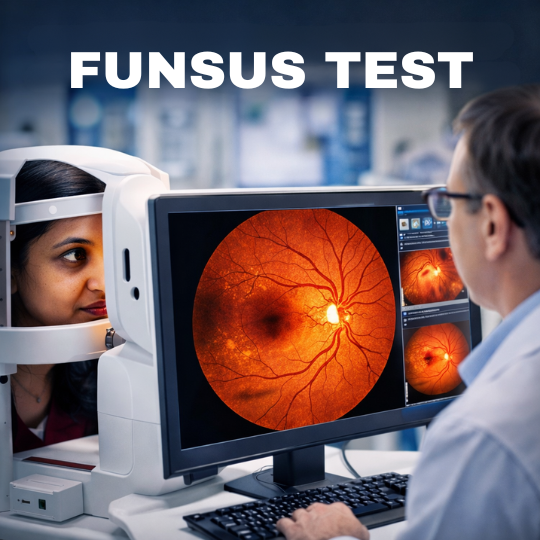
Before surgery, your eye must be mapped. Tests like corneal topography, pachymetry (thickness measurement), and dry eye assessment are essential. Some premium hospitals include these in the package, while others charge separately (ranging from ₹2,000 to ₹5,000).
4. Geographical Location
Hospitals in metropolitan hubs like Bangalore, Mumbai, or Delhi often have higher overheads, but they also offer the most advanced technology and internationally trained specialists.
SMILE vs. LASIK vs. PRK: A Cost-Benefit Comparison
Is the extra cost of SMILE worth it? Let’s compare the three generations of laser surgery.
| Feature | PRK (1st Gen) | LASIK (2nd Gen) | SMILE (3rd Gen) |
| Average Cost | ₹40,000 – ₹60,000 | ₹60,000 – ₹100,000 | ₹120,000 – ₹160,000 |
| Incision Size | 8-9 mm (Surface) | 20 mm (Flap) | 2-4 mm (Keyhole) |
| Recovery | 5–7 days | 1–2 days | 24 hours |
| Dry Eye Risk | Low | High | Very Low |
Is SMILE Eye Surgery Covered by Insurance?
In 2025, the stance of insurance companies on refractive surgery is evolving.
- Standard Health Insurance: Most basic plans categorize SMILE as “cosmetic” or “elective” and do not cover it.
- Exceptions (High Power): Many insurers (like Star Health, HDFC ERGO, or ICICI Lombard) may cover the cost if your refractive error is above 7.5 diopters or if the surgery is medically necessary.
- Corporate Plans: If you have corporate health insurance, check your policy. Many MNCs include vision correction as a “wellness” benefit.
- EMI Options: To make the procedure affordable, most top eye hospitals offer 0% interest EMI plans, allowing you to pay in monthly installments of ₹5,000–₹10,000.
The SMILE Pro Advantage: What’s New in 2025?
If you are looking at the higher end of the price spectrum, you are likely looking at SMILE Pro.
The latest VisuMax 800 laser allows for:
- Centrally Aligned Treatment: Better results for patients with astigmatism.
- Reduced Suction Time: The laser part of the surgery is over in just 10 seconds, reducing patient anxiety.
- OcuLign®: Advanced technology for better rotational alignment.
Why Choose Vijaya Nethralaya for SMILE Surgery?
When it comes to your eyes, technology and trust go hand-in-hand.
Vijaya Nethralaya Super Speciality Eye Hospital, located near Vijayanagar, Bangalore, is a leader in advanced refractive surgeries. Led by Dr. Sushruth Appajigowda, the hospital combines 40+ years of legacy with 2025’s most advanced laser platforms.
- Expertise: Over 5,000 successful laser procedures performed.
- Technology: Equipped with the latest Zeiss technology for SMILE and SMILE Pro.
- Affordability: Transparent pricing with easy EMI options to ensure world-class care is accessible to everyone.
Conclusion: Investing in Your Vision
The cost of SMILE eye surgery is more than just a price tag; it is an investment in your lifestyle, safety, and long-term eye health. While it carries a higher upfront cost than LASIK, the reduction in dry eye risk and the lack of flap-related complications make it the preferred choice for active individuals and professionals alike.
Frequently Asked Questions (FAQs)
1. Is SMILE surgery painful?
No. Numbing drops are used, so you won’t feel pain. You might feel a slight pressure for about 10 seconds while the laser is active.
2. How long does the procedure take?
The actual laser time is less than 30 seconds. The entire process, including preparation, takes about 10–15 minutes per eye.
3. Can I get SMILE if I have thin corneas?
Yes, often. Because SMILE does not create a flap, it preserves more corneal thickness, making it a viable option for some patients who were told they weren’t candidates for LASIK.
4. Are the results of SMILE permanent?
Yes, the reshaping of the cornea is permanent. However, it cannot prevent age-related vision changes (presbyopia) that usually occur after age 40.
5. What are the side effects?
Temporary side effects include light sensitivity, halos at night, or slight blurriness, which usually resolve within a week.