
Nearsightedness, or myopia, is a very common eye disorder that people of all ages can have. Generally, if you face difficulty in seeing the objects that are far away, whereas you can easily read or see the things that are near, then that’s the case with people around the globe. In fact, there are millions worldwide who are looking for a safe and effective solution for their nearsightedness so that they can also protect their long-term eye health. What’s more, contemporary eye care offers many neat solutions to such issues; you can choose from simple changes in your lifestyle to advanced surgical procedures.
At Vijaya Nethralaya Super Speciality Eye Hospital, the team of highly skilled ophthalmologists entrusted with the job of restoring good eyesight makes use of highly advanced technology and puts patient satisfaction first. They are very much committed, and one can always count on their support to get you back to the world of clear vision and confidence. This all-inclusive educational material aims at explaining the concept of nearsightedness in simple words, its causes, and its proper treatment and management by the best means.
Understanding Nearsightedness (Myopia)
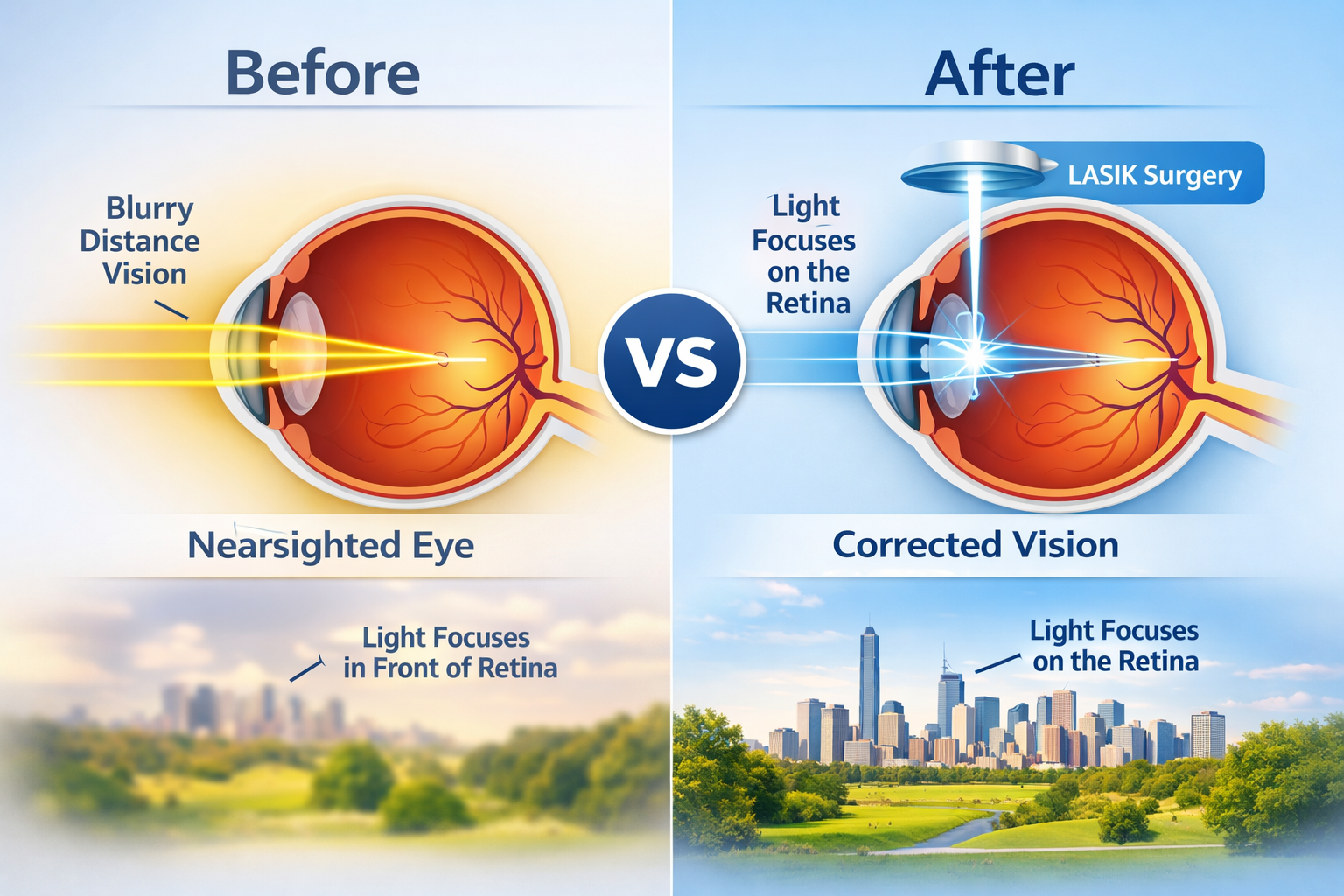
Nearsightedness (myopia) is a condition that describes an eye focusing light in front of the retina instead of right on it. Most of the time this problem is related to the shape of the eye, where the eyeball is a little longer than the normal one or the cornea is more curved than usual. Because of this, objects that are at a distance will be unclear, while those that are close will be seen clearly.
Myopia commonly appears in children, and if doctors do not detect and manage it early, it can worsen during the teenage years. When eye specialists do not control myopia, it continues to progress and can eventually lead to serious eye conditions later in life, such as retinal detachment or glaucoma. Hence, it is very important to get a diagnosis and treatment on time so as to correct the refractive error, limit the progression of the myopia, and, in the end, avoid complications of the eye that last a lifetime.
Common Causes of Nearsightedness
Besides heredity, there are other factors that contribute to the development of myopia, and by understanding these, you will be able to decide on the correct treatment method.
Genetic Factors
If both or one parent is myopic, then the probability of their children developing the same is higher. The genes are responsible for the shape of the eye and also its ability to focus.
Lifestyle and Screen Time
Excessive use of digital devices, prolonged reading, and a lack of eye-healthy outdoor activities act as the main contributing factors. Modern changes in lifestyles have led to the dramatic rise in myopia cases, particularly among children.
Environmental Influences
Besides this, poor lighting, bad reading posture, and absence of visual breaks may also cause deterioration of the eyesight over a period.

Signs and Symptoms You Should Not Ignore
It is essential to be able to spot the symptoms of eyestrain for the timely treatment of the refractive error. Nearsightedness can be effectively corrected after the diagnosis of the condition and the timely intervention.
- Blurry distance vision
- Squinting to see far objects
- Frequent headaches
- Eye strain or fatigue
- Difficulty seeing road signs while driving
Either you or your child is experiencing these signs; thus, a thorough eye examination is very necessary.
Diagnosis: How Nearsightedness Is Identified
Before a person can be helped with their vision problem, the first thing a doctor will do is a comprehensive eye exam. At Vijaya Nethralaya Super Speciality Eye Hospital, experts utilize the latest technology to determine the exact degree of refractive errors.
The tests might be:
- Visual acuity testing
- Refraction assessment
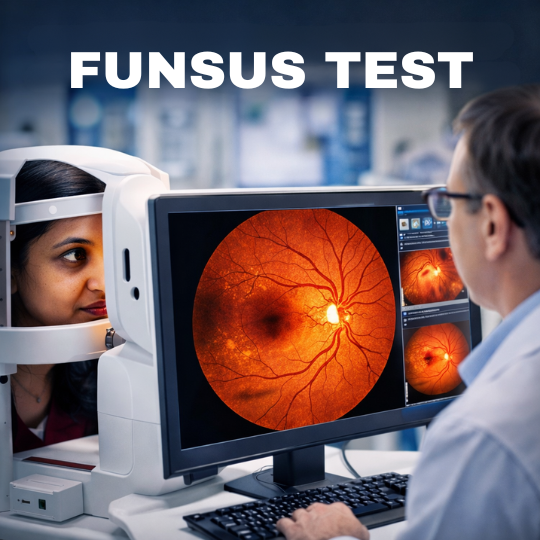
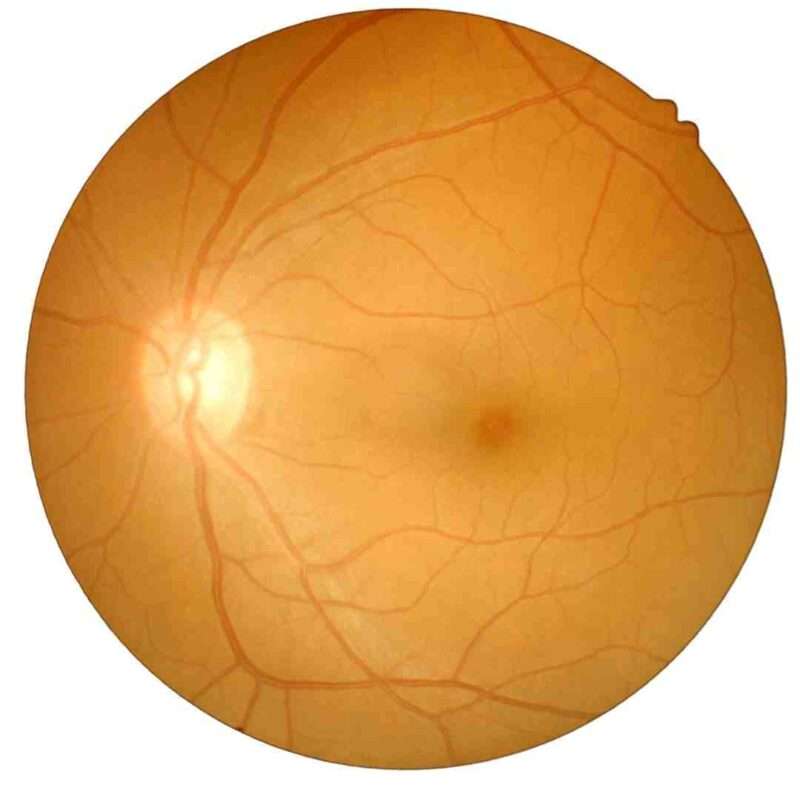
- Retinal examination
- Corneal mapping (for surgical candidates)
These examinations are the basis for the doctors to come up with the most appropriate treatment plan for correcting nearsightedness.
Non-Surgical Ways to Correct Nearsightedness
Surgery is not always necessary. Many patients experience great outcomes through nonintrusive means.
Prescription Eyeglasses
Glasses are the easiest and most risk-free choice. They modify the way light passes through the eyes, thus enabling distance vision to be clear. Today, lenses are very light, fashionable, and comfortable for everyday use.
Contact Lenses
Contacts give better peripheral vision and are a perfect choice for sporty people. There is a great variety, such as soft lenses, rigid gas permeable lenses, and daily disposable lenses.
Orthokeratology (Ortho-K)
Ortho-K lenses are used overnight to slowly remodel the cornea. They enable the wearer to have clear eyesight during the day without needing glasses or contacts. This method is especially attractive to children and teenagers.
All these methods are great solutions to avoid permanent surgeries for treating nearsightedness.
Good Visual Habits to Help Your Eyes
Besides prescription glasses, good eye habits may also slow down the development of myopia and keep the eyes healthy.
- Follow the 20-20-20 rule (every 20 minutes, look 20 feet away for 20 seconds)
- Spend more time outdoors
- Maintain proper lighting while reading
- Eat eye-friendly foods rich in vitamin A and omega-3s
These behaviors are a nice addition to therapies and may gradually lead to a natural correction of myopia.
Advanced Surgical Options to Correct Nearsightedness
Refractive surgery remains the most fashionable surgical choice among individuals who want to stop wearing glasses or contact lenses for a very long time.
LASIK Surgery
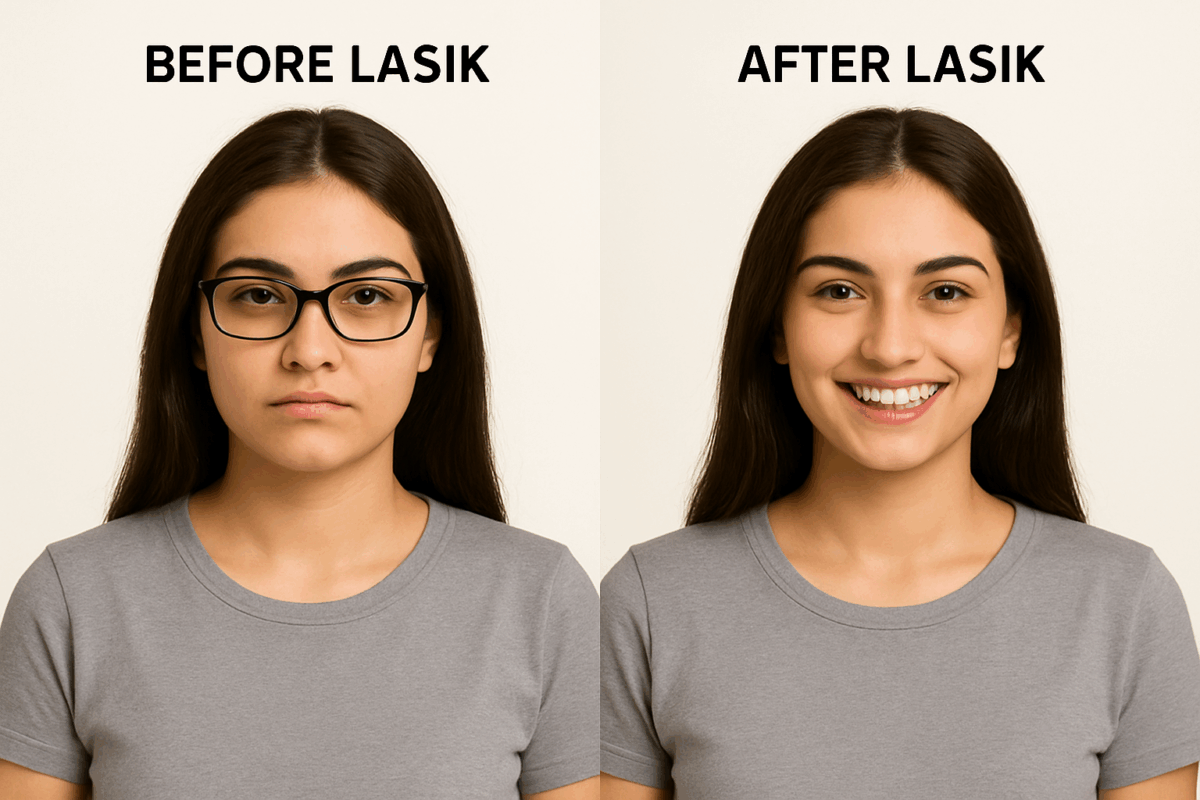
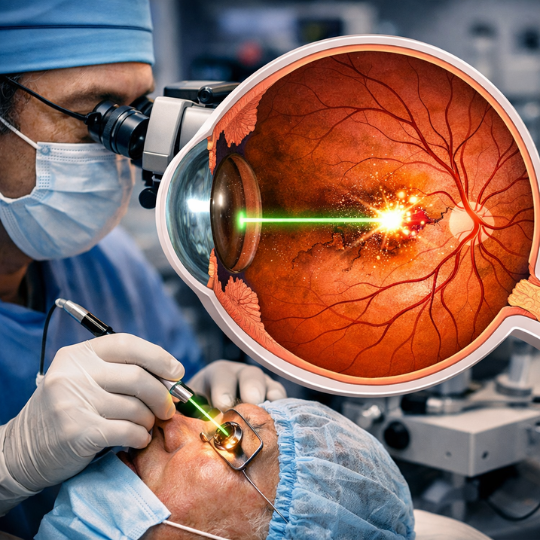
LASIK changes the shape of the cornea by a laser so that the light can be focused properly on the retina. It doesn’t take much time, is absolutely painless, and the patient can recover very fast.
PRK (Photorefractive Keratectomy)
PRK is the right choice if you have a thin cornea. Although healing takes longer after PRK than after LASIK, the outcome is just as good.
SMILE Procedure
The SMILE (small incision lenticule extraction) is a technique that uses a laser, and it is minimally invasive, thus having minimal side effects and a faster healing process.
At Vijaya Nethralaya Super Speciality Eye Hospital, doctors meticulously assess every patient and suggest the most suitable and risk-free surgery to treat their nearsightedness.
Why Choose Vijaya Nethralaya Super Speciality Eye Hospital
The choice of the right eye care facility happens to be quite crucial to the success of the treatment. Vijaya Nethralaya Super Speciality Eye Hospital has a number of advantages, such as:
- Highly experienced ophthalmologists
- State-of-the-art diagnostic and surgical technology
- Personalized treatment plans
- Strict safety and hygiene standards
- Compassionate, patient-centered care
Thousands of patients who have undergone nearsightedness correction procedures here have reposed their faith in the hospital, and the doctors in it work with great accuracy and confidence.
Is Nearsightedness Curable or Manageable?
It is true that myopia cannot be “cured” permanently without surgery in most cases, but the condition can be controlled very well. Vision can be brought back to almost perfect clarity with the right treatment. If you start early with the treatment, you will be able to produce a greater result, and it will be less risky in the future.
Furthermore, the objective should not be merely to fix nearsightedness but also to maintain good eye health over a long period.
Conclusion: Take the First Step Toward Clear Vision
It’s not necessary to suffer from constant blurred-out vision at a distance. We can suggest a few options, such as glasses, certain lifestyle changes, or even high-tech surgery to correct nearsightedness and see the world more clearly. Having seasoned doctors, cutting-edge equipment, and one-on-one care, Vijaya Nethralaya Super Speciality Eye Hospital can surely provide viable solutions for people from different age groups. If you want to see better and keep your eyes healthy for years to come, there is no better moment than now for action.
FAQs About Correcting Nearsightedness
1. Can nearsightedness be corrected permanently?
Anyway, people who are suitable for surgery such as LASIK can get their eyesight corrected permanently.
2. Is nearsightedness common in children?
Yes, it generally starts in childhood and if the child does not receive proper care, the condition gets worse and worse
3. Are glasses enough to correct nearsightedness?
Glasses show people the world clearly but do not make the disease stop progressing. There may be a need for additional methods.
4. Is LASIK safe for everyone?
We cannot say that everyone is a candidate. Before the operation, the patient has to be properly examined.
5. Can lifestyle changes really help?
Of course, a healthy lifestyle can significantly slow down the progression of the disease and can be instrumental to good eye health.
6. Where can I get expert treatment in India?
If you are seeking advanced eye care, Vijaya Nethralaya Super Speciality Eye Hospital is a reliable and well-known eye care center.