
Introduction to Contoura Vision
In today’s fast-moving world, clear vision has become more of a necessity than a luxury. For decades, people with glasses and contact lenses have dreamed of a permanent solution. Although LASIK transformed the field of corrective eye surgery, a newer and more precise technique—Contoura Vision—is now taking center stage. This cutting-edge, topography-guided laser technology doesn’t just correct your eyesight—it customizes the treatment to your unique eye structure.
What is Contoura Vision and How Does It Work?
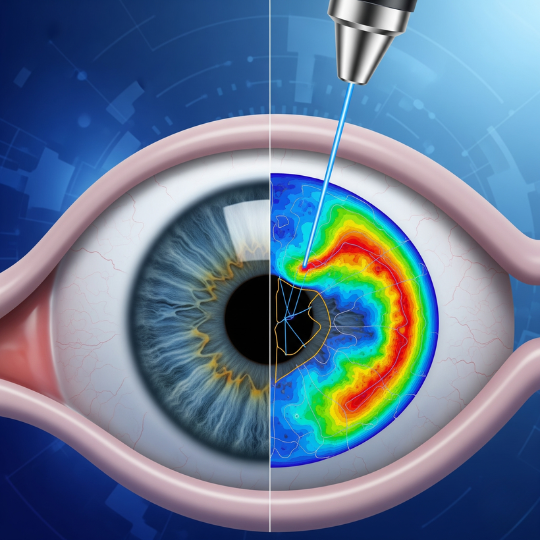
Contoura Vision is an advanced form of LASIK surgery that maps over 22,000 unique elevation points on the cornea. This data creates a personalized treatment plan, enabling surgeons to reshape the cornea with unparalleled precision. Unlike traditional LASIK, which corrects vision based on a general prescription, Contoura Vision treats the minute imperfections that even glasses and contact lenses can’t fix.
The Science Behind Topography-Guided LASIK
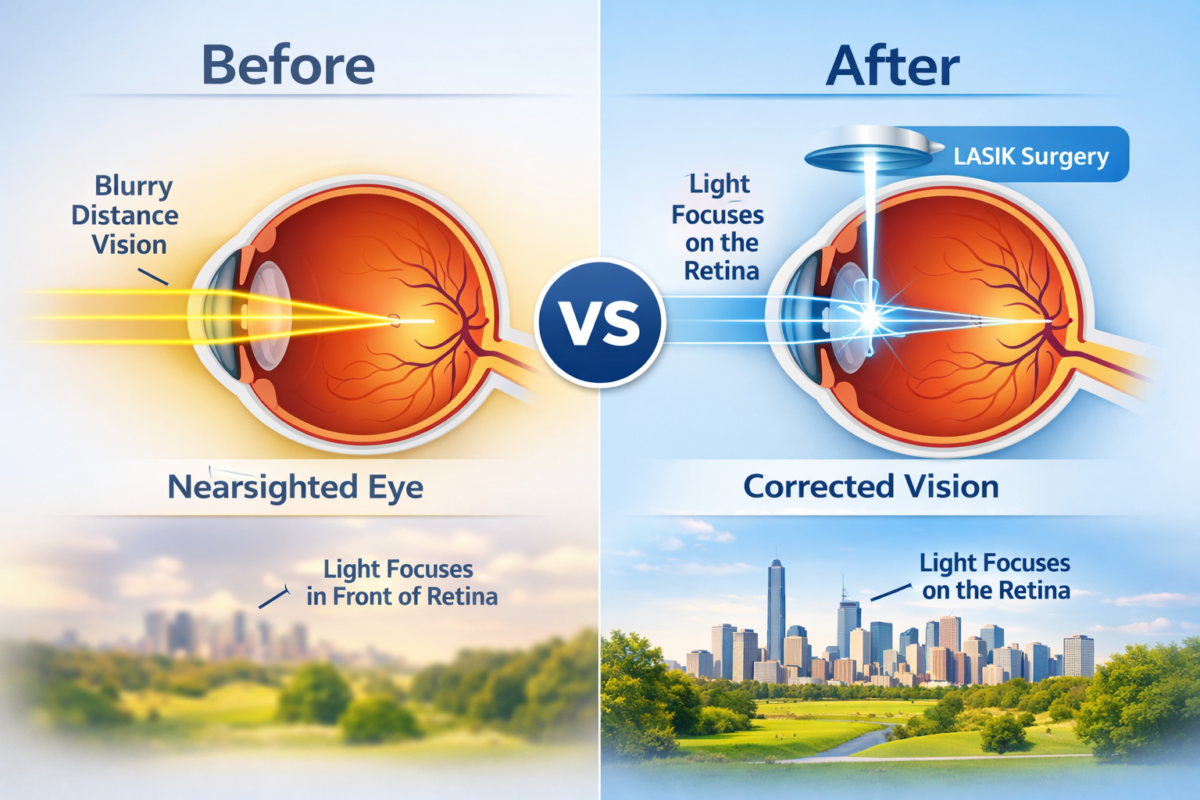
At the core of Contoura Vision is corneal topography mapping—think of it as creating a 3D map of your eye’s surface. The laser then adjusts the cornea’s curvature to enhance how light enters the eye. This results in improved contrast sensitivity, reduced glare at night, and sharper overall vision.
Evolution of Laser Eye Surgery Techniques
Laser eye surgery began with PRK (Photorefractive Keratectomy), then progressed to LASIK, and later to SMILE. Contoura Vision is the next generation, offering not just refractive correction but also corneal surface optimization. In many cases, patients report vision sharper than they ever had with glasses.
Benefits of Choosing Contoura Vision
Improved Vision Clarity and Sharpness
Clinical studies have shown that a significant percentage of patients achieve 20/20 vision or better after Contoura Vision surgery.
Faster Recovery Times
The majority of patients experience noticeable vision improvement within 24–48 hours and achieve full recovery in just a few weeks.
Reduced Risk of Glare and Halos
Because the cornea is reshaped more naturally, night vision problems such as halos and glare are greatly minimized.
Who is an Ideal Candidate for Contoura Vision?
Age and Eye Health Requirements
Candidates should generally be over 18 years old, with stable vision for at least one year.
Pre-existing Conditions to Consider
Those with certain corneal diseases, uncontrolled diabetes, or severe dry eyes may not be suitable candidates.
How to Know If You Qualify
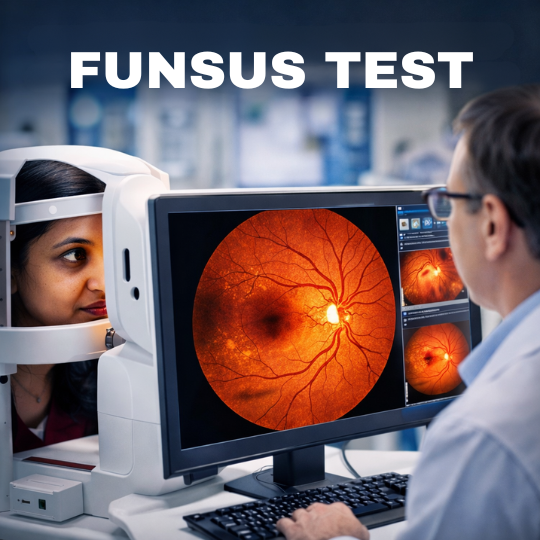
A thorough corneal mapping test and eye health examination will determine eligibility.
The Contoura Vision Procedure Step-by-Step
Pre-Surgery Preparations
Patients are advised to avoid wearing contact lenses for at least 1–2 weeks before surgery.
The Day of the Surgery
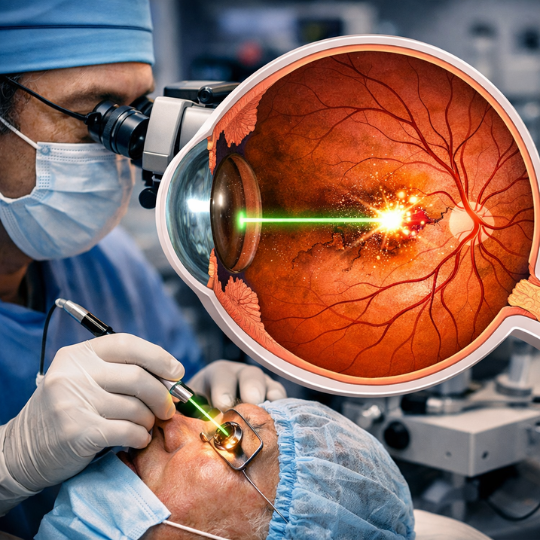
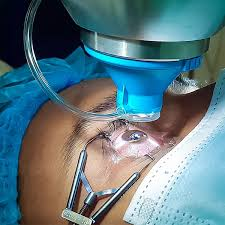
The entire procedure usually lasts under 20 minutes for both eyes and involves minimal discomfort due to the use of numbing eye drops.
Post-Surgery Care and Recovery
Eye drops, protective shields, and follow-up visits are essential to ensure a smooth recovery.

Contoura Vision vs. LASIK and SMILE Eye Surgery
Key Differences in Technology
While LASIK uses wavefront or standard refraction data to reshape the cornea, Contoura Vision uses 3D topographic maps of each patient’s cornea, ensuring a highly personalized approach. SMILE (Small Incision Lenticule Extraction), on the other hand, removes a lens-shaped piece of corneal tissue through a small incision but does not address subtle surface irregularities the way Contoura Vision does.
| Feature | LASIK | SMILE | Contoura Vision |
|---|---|---|---|
| Customization | Moderate | Low | High |
| Invasiveness | Flap creation | Small incision | Flap creation |
| Glare/Halos Reduction | Average | Good | Excellent |
| Accuracy | Good | Good | Excellent |
| Recovery Speed | Fast | Fast | Fastest |
Cost and Recovery Comparison
- LASIK: Generally more affordable but slightly less precise.
- SMILE: Costs similar to LASIK; offers no-flap benefits.
- Contoura Vision: Often 20–30% more expensive but provides superior results and night vision quality.
Recovery for all three is quick, but Contoura patients frequently report clearer vision sooner.
Long-Term Results
Long-term stability is excellent in all procedures, but Contoura Vision patients often achieve vision sharper than 6/6 (20/20), sometimes reaching 6/5 on eye charts.
Potential Risks and Side Effects
Common Temporary Side Effects
- Mild dryness or gritty sensation in the eyes
- Light sensitivity in the first 24–48 hours
- Slight blurriness that resolves in a few days
Rare Complications
- Flap complications (similar to LASIK)
- Infection (extremely rare with proper hygiene)
- Under-correction or over-correction requiring enhancement
How Clinics Minimize Risks
- Using advanced, FDA-approved equipment
- Maintaining sterile environments
- Following strict post-op care instructions
Cost of Contoura Vision in Different Countries
Pricing in the USA, India, UK, and UAE
| Country | Average Cost (Both Eyes) |
|---|---|
| USA | $4,000 – $6,000 |
| India | ₹90,000 – ₹1,40,000 |
| UK | £3,000 – £5,000 |
| UAE | AED 12,000 – AED 18,000 |
Insurance and Financing Options
Most insurance providers consider laser eye surgery elective and don’t cover it. However, many clinics offer 0% EMI (Equated Monthly Installments), personal loans, or HSA/FSA accounts for US patients.
Choosing the Right Clinic for Contoura Vision
Factors to Consider in a Surgeon
- Experience: At least 500 successful procedures performed
- Certifications: Board-certified ophthalmologist with refractive surgery training
- Technology: Use of the latest Allegretto Wave Eye-Q or Wavelight EX500 lasers
Top-Rated Hospitals and Eye Centers
- United States: Bascom Palmer Eye Institute in Miami and TLC Laser Eye Centers
- India: Vijaya Nethralaya Super Speciality Eye Hospital, Shroff Eye Centre (Delhi), Dr. Agarwal’s Eye Hospital
- UK: Moorfields Eye Hospital (London)
- UAE: Moorfields Eye Hospital Dubai
Patient Experiences and Success Stories
Real-Life Testimonials
Many patients report their vision feels “HD” after Contoura Vision, with colors appearing more vivid and details sharper.
Before-and-After Vision Results
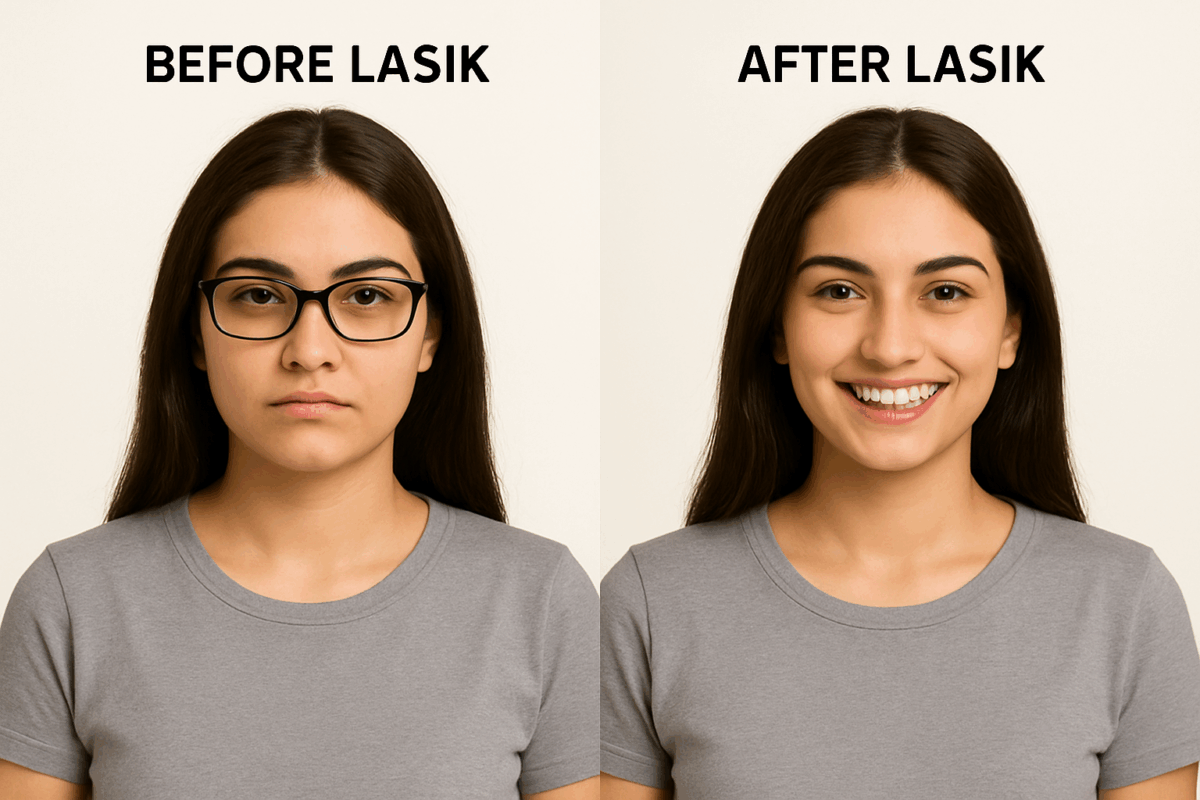
- Before: Dependence on glasses or contact lenses, difficulty with night driving
- After: Freedom from corrective lenses, improved contrast, and better peripheral vision
Conclusion: Is Contoura Vision Worth It?
If you’re seeking sharper, more natural vision with reduced side effects, Contoura Vision is a top-tier choice. While it’s more expensive than traditional LASIK, the benefits—especially for night vision and clarity—make it a wise investment for many. Always consult with a qualified ophthalmologist to confirm suitability.
FAQs About Contoura Vision
Q1: Is Contoura Vision permanent?
Yes, for most patients, the results are long-lasting. Vision changes can occur with age, but the corneal correction is permanent.
Q2: Can it correct all vision problems?
It works best for myopia, hyperopia, and astigmatism but may not be suitable for extreme prescriptions or certain eye diseases.
Q3: Is it safe for people over 40?
Yes, but patients may still need reading glasses due to presbyopia.
Q4: How soon can I resume normal activities?
Most people return to work within 24–48 hours, but avoid swimming or heavy exercise for 2–3 weeks.
Q5: Is Contoura Vision painful?
No, the procedure is painless due to anesthetic eye drops. Some mild discomfort may occur during recovery.
Q6: How does it compare to contact lenses in the long run?
While contacts require ongoing maintenance and replacement, Contoura Vision offers a one-time permanent correction for eligible patients.