
What is Contoura Vision Eye Surgery?
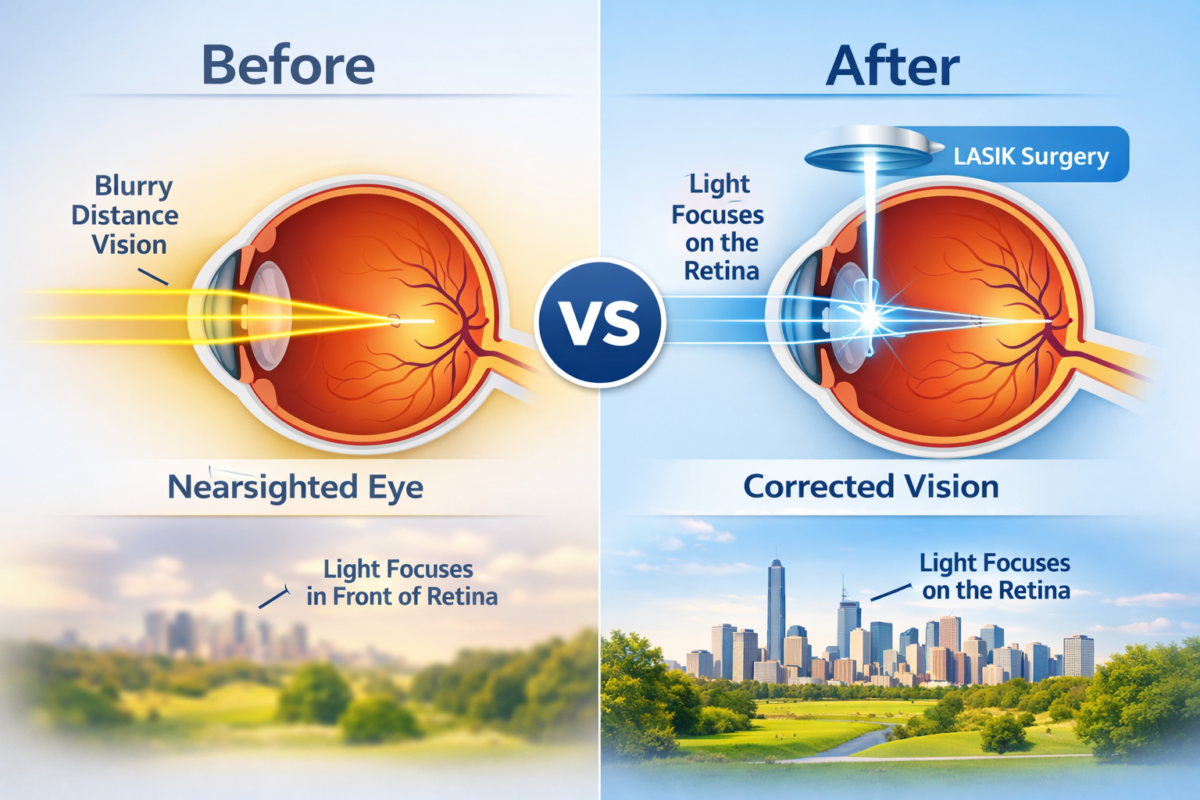
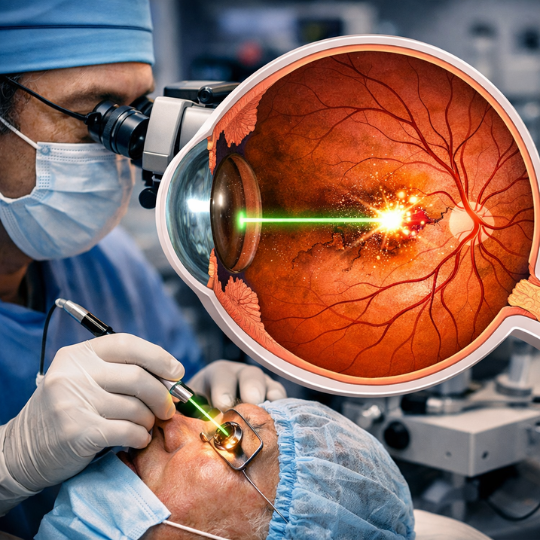
Contoura Vision Eye Surgery is the latest advancement in refractive surgery designed to correct common vision problems like nearsightedness, farsightedness, and astigmatism. Unlike traditional LASIK, which reshapes the cornea based on standard measurements, Contoura Vision uses a highly personalized, topography-guided approach. This means the surgery maps up to 22,000 points on the cornea, tailoring the procedure to the unique characteristics of each eye.
By addressing both the power of the eye and the irregularities of the corneal surface, Contoura Vision provides a sharper, more natural vision. Many patients report their eyesight feels better than what glasses or contact lenses ever offered.
Evolution of Vision Correction Procedures
Vision correction has come a long way. From glasses and contact lenses to procedures like LASIK and SMILE, each method aimed to improve clarity and convenience. However, conventional laser surgeries often treated the eye as a standard shape, ignoring microscopic irregularities. Contoura Vision bridges this gap, offering a more precise correction that enhances visual quality, not just sharpness.
How Contoura Vision Differs from LASIK and SMILE
- LASIK reshapes the cornea using a laser but doesn’t account for subtle irregularities.
- SMILE involves a smaller incision but still follows a standardized correction approach.
- Contoura Vision provides personalized treatment, considering the corneal surface’s unique fingerprint.
In simple terms, Contoura Vision is to LASIK what custom-tailored clothing is to off-the-rack garments—more precise, comfortable, and effective.

Benefits of Contoura Vision Eye Surgery
Choosing Contoura Vision comes with several advantages over traditional options.
High Definition Vision Quality
Patients often describe their vision as “HD quality.” Colors appear brighter, and objects look sharper, even in low-light environments like driving at night.
Reduced Risk of Side Effects
Because Contoura corrects corneal irregularities, side effects such as glare, halos, and night-vision difficulties are significantly reduced.
Faster Recovery and Healing
Most patients notice clearer vision within 24-48 hours and can resume daily activities within a week, making it a fast and convenient solution for those with busy lifestyles.
Who is the Right Candidate for Contoura Vision?
Not everyone is eligible, but many people qualify.
Age and Eye Health Requirements
- Patients should be 18 years or older.
- Stable eye power for at least 12 months.
- Healthy cornea thickness.
Exclusion Criteria and Limitations
- Pregnant or nursing women.
- People with severe dry eye syndrome.
- Patients with thin corneas or eye infections.
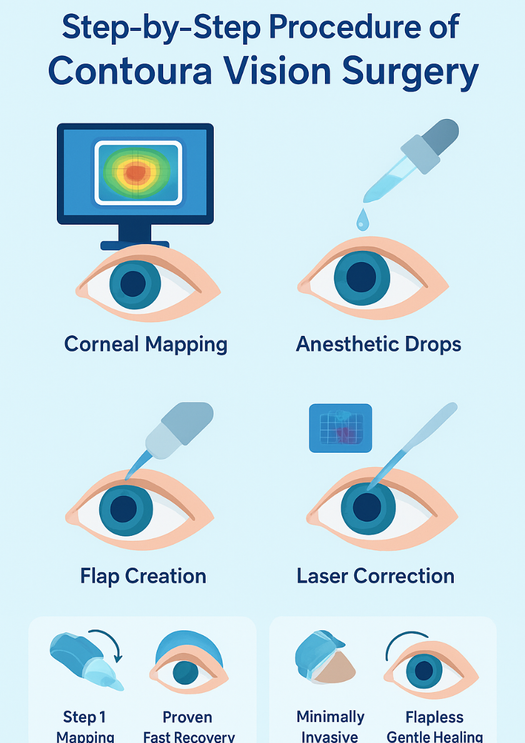
Step-by-Step Procedure of Contoura Vision Surgery
Curious about what happens on the surgery day? Here’s a breakdown.
Pre-Operative Examinations
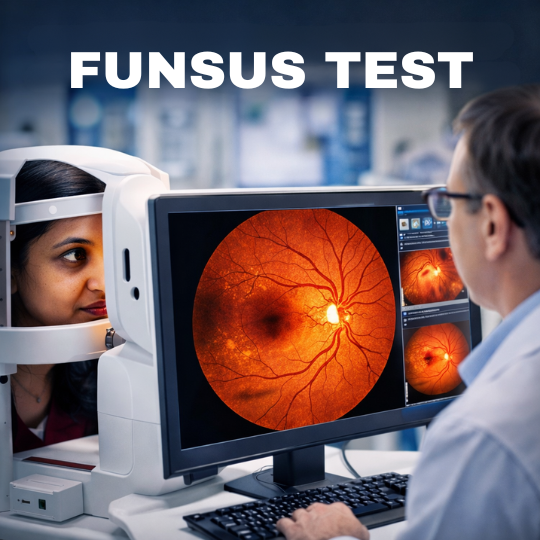
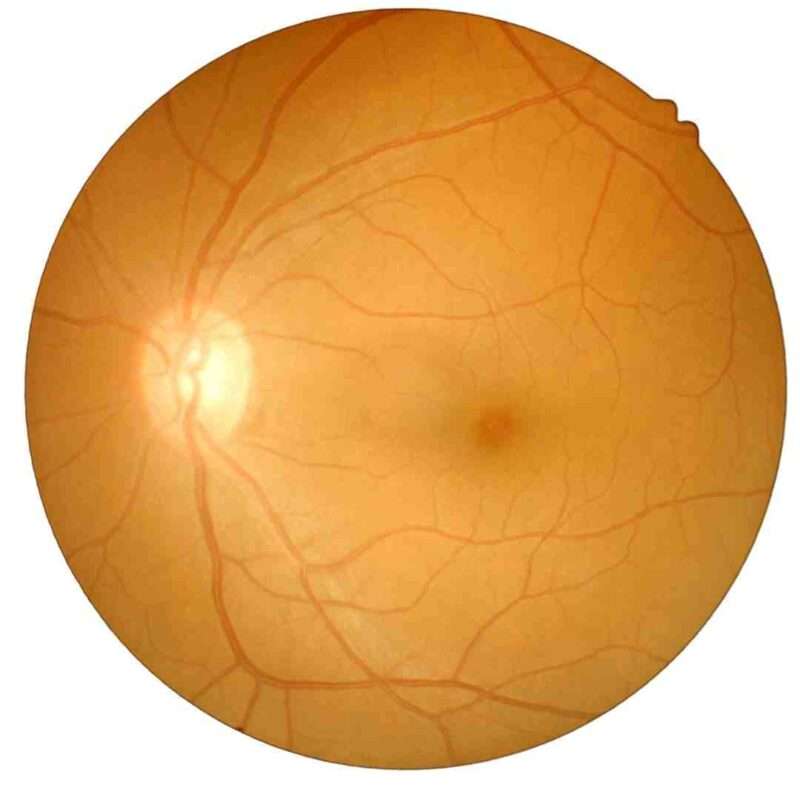
Your ophthalmologist conducts a comprehensive eye test, including corneal mapping and retina evaluation, to ensure suitability.
Surgical Process Explained
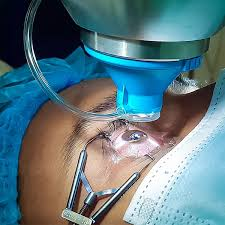
- Eye is numbed with anesthetic drops.
- A corneal flap is created using a femtosecond laser.
- The laser reshapes the cornea based on detailed mapping.
- The flap is repositioned without stitches.
Post-Operative Care and Recovery Timeline
- Use prescribed eye drops to prevent infection.
- Avoid rubbing your eyes.
- Vision improves rapidly within days, but stabilization may take a few weeks.
Cost of Contoura Vision Eye Surgery
One of the most common questions people ask is: “How much does Contoura Vision cost?” The price varies widely depending on location, surgeon expertise, and technology used.
Cost Factors in Different Countries
- India: Around ₹90,000 – ₹1,40,000 for both eyes.
- United States: Typically $2,500 – $3,500 per eye.
- UK & Europe: Roughly £2,000 – £3,000 per eye.
Prices may differ based on hospital reputation, surgeon’s experience, and whether advanced technology is used.
Insurance and Financing Options
Since Contoura Vision is considered an elective procedure, most insurance plans don’t cover it. However, many clinics offer EMI (equated monthly installments), zero-interest financing, or flexible payment plans, making it accessible to more patients.
Risks and Possible Complications
Although Contoura Vision is safer compared to LASIK, no surgery is 100% risk-free.
Common Temporary Side Effects
- Mild dryness of the eyes.
- Sensitivity to bright light.
- Slight blurring or fluctuation in vision during recovery.
These effects usually resolve within a few weeks.
Rare but Serious Risks
- Infection (very rare with proper aftercare).
- Undercorrection or overcorrection of vision.
- Corneal flap complications (extremely uncommon with modern lasers).
With experienced surgeons, these risks remain minimal.
Success Rate and Long-Term Results
Patient Testimonials and Case Studies
Studies show that over 92% of patients achieve 6/6 vision (20/20) after Contoura Vision, while many report even better clarity. Testimonials highlight improvements in night driving, reading, and reduced dependency on glasses.
Comparison with Traditional LASIK Outcomes
- LASIK: Excellent vision correction but may cause halos and glare.
- Contoura Vision: Provides not just clear, but sharper and more natural vision with fewer side effects.
Contoura Vision vs LASIK vs SMILE: A Detailed Comparison
| Feature | LASIK | SMILE | Contoura Vision |
|---|---|---|---|
| Customization | Standard | Limited | Highly personalized |
| Incision | Larger flap | Small incision | Flap-based, but precise |
| Recovery Time | 1-2 weeks | 1 week | 2-3 days |
| Side Effects | Glare, halos | Minimal | Least side effects |
| Cost | Lower | Medium | Higher |
👉 Verdict: Contoura Vision is more advanced, but also more expensive. Patients looking for long-term quality of vision often prefer it despite the cost.
Preparing for Contoura Vision Eye Surgery
A successful surgery depends not only on the procedure but also on preparation.
Medical Tests and Lifestyle Adjustments
- Avoid wearing contact lenses 2-3 weeks before surgery.
- Inform your doctor about existing medical conditions.
- Avoid applying eye makeup on the day of surgery.
Questions to Ask Your Surgeon
- Am I a suitable candidate?
- What results can I realistically expect?
- What’s your experience with Contoura Vision?
- What aftercare support do you provide?
Myths and Facts About Contoura Vision
Common Misconceptions
- “It’s painful.” – In reality, the procedure is painless with numbing drops.
- “It’s risky.” – It’s actually one of the safest vision correction procedures available today.
- “The results don’t last.” – Most patients enjoy permanent results if their eye power was stable before surgery.
Scientifically Proven Facts
- FDA-approved and globally recognized.
- Uses topography-guided technology for accuracy.
- Reduces irregular corneal aberrations better than LASIK.
Conclusion: Is Contoura Vision Eye Surgery Right for You?
Contoura Vision Eye Surgery represents a breakthrough in vision correction technology. By customizing treatment for each patient’s unique corneal pattern, it ensures sharper, clearer, and more natural vision compared to LASIK or SMILE.
While the cost may be higher, the benefits—including faster recovery, reduced side effects, and high-definition vision quality—make it a worthwhile investment for many.
If you’re considering surgery, consult a qualified ophthalmologist to see if you’re a candidate. Your journey to crystal-clear vision could be just a few steps away.
FAQs About Contoura Vision Eye Surgery
Q1. How long does Contoura Vision surgery take?
The actual procedure takes about 15-20 minutes per eye, with laser application lasting just a few seconds.
Q2. Is the surgery painful?
No. Anesthetic drops ensure the procedure is completely painless. Some patients may feel mild discomfort for a few hours afterward.
Q3. How soon can I resume work after surgery?
Most patients return to work within 2-3 days, depending on their recovery speed.
Q4. Can my eye power come back after surgery?
If your power was stable before surgery, it’s highly unlikely to return. In rare cases, minor regression can occur.
Q5. Is Contoura Vision better than LASIK?
Yes. Contoura offers more precise correction, fewer side effects, and better visual quality compared to standard LASIK.
Q6. Can people above 40 undergo Contoura Vision?
Yes, but they may still need reading glasses due to natural age-related presbyopia.