

Cataracts are often thought of as an “old age problem.” But here’s the surprising truth—cataracts at a young age are becoming increasingly common. People in their 30s, 40s, and even late 20s are walking into eye clinics with lens clouding that used to be seen mainly after 60. Sounds alarming, right? Don’t worry—this guide breaks it all down in simple, human language. Let’s talk about why it happens, how to catch it early, and what you can do about it.
What Is a Cataract? cataracts.
How the Eye Lens Works
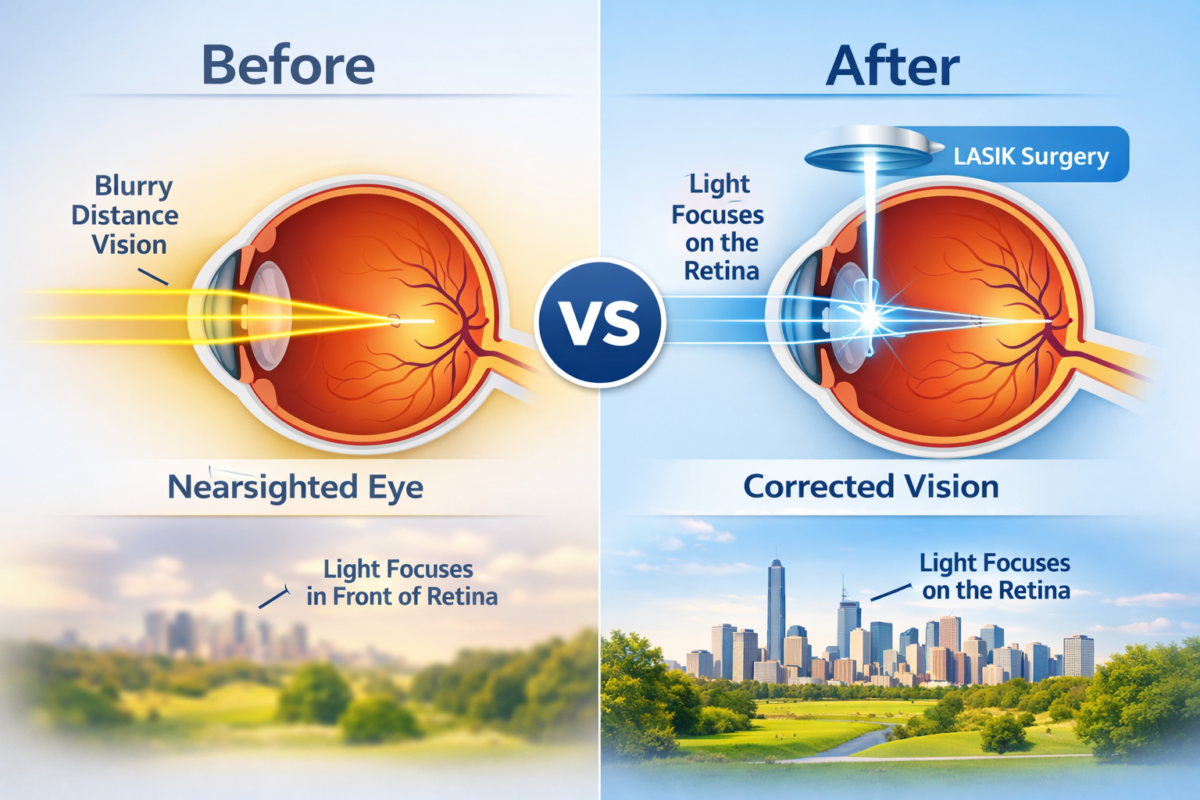
Think of your eye lens like a crystal-clear camera lens. Its job is to focus light sharply onto the retina so you see crisp images.
What Happens When a Cataract Forms
A cataract forms when this transparent lens becomes cloudy. Instead of light passing smoothly, it scatters—like trying to see through a foggy windshield.
What Is Meant by Cataract at a Young Age?
Normal Age vs Early Cataract
Typically, cataracts develop after 55–60 years. When lens clouding appears before 50, especially in the 20s to 40s, it’s called pre-senile cataract.
Why Early Cataracts Are Increasing
Modern lifestyle is the biggest culprit—long screen hours, diabetes, stress, steroid misuse, and poor nutrition are speeding up lens aging.
How Common Is Cataract in Young Adults?
Changing Lifestyle Patterns
Sedentary habits, junk food, and digital eye strain are silently affecting eye health.
Rising Health Conditions
Diseases like diabetes and thyroid disorders—once seen later in life—are now affecting younger populations, directly increasing cataract risk.
Main Causes of Cataract at a Young Age
Diabetes and Poor Sugar Control
High blood sugar causes fluid changes inside the lens, making it swell and turn cloudy faster. In diabetics, cataract progression can be shockingly rapid.
Excessive Steroid Use
Steroid eye drops, tablets, inhalers, or skin creams—when used without supervision—are one of the most common causes of early cataract.
High Screen Exposure and UV Light
Constant screen use causes oxidative stress. Add outdoor UV exposure without sunglasses, and you’re basically aging your lens prematurely.
Eye Injuries and Trauma
Even a blunt injury from years ago can trigger cataract formation later in life.

Medical Conditions Linked to Early Cataracts
Thyroid Disorders
Hormonal imbalance affects metabolism inside the lens, speeding clouding.
High Myopia (Severe Nearsightedness)
Highly myopic eyes are more prone to early lens changes.
Chronic Eye Inflammation
Repeated episodes of uveitis or long-standing eye redness can damage the lens.
Lifestyle Factors That Accelerate Cataract Formation
Smoking and Alcohol
Smoking increases free radicals—think of them as rust for your eyes. Alcohol worsens nutritional deficiencies.
Poor Nutrition
Lack of antioxidants like vitamins C and E, lutein, and zinc deprives the lens of protection.
Lack of Eye Protection
No sunglasses, no protective eyewear at work—your lens pays the price.
Symptoms of Cataracts at Young Age
Early Warning Signs
- Blurred or hazy vision
- Frequent change of glasses power
- Increased glare from lights
- Eye strain while using screens
Advanced Symptoms
- Difficulty driving at night
- Washed-out colors
- Double vision in one eye
How Cataracts Affect Daily Life in Young People
Work and Screen Difficulty
Young professionals often complain, “I can see, but not clearly.” Productivity drops, and headaches increase.
Driving and Night Vision
Headlights start looking like starbursts—dangerous and frustrating.
Diagnosis: How Is Early Cataract Detected?
Eye Examination Tests
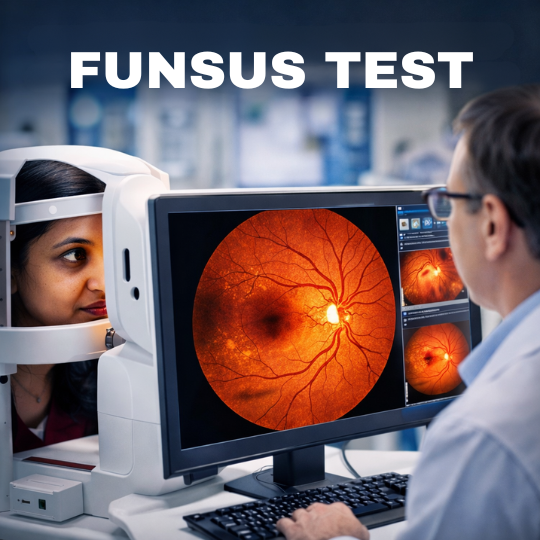
A slit-lamp exam can detect even early lens changes invisible to the naked eye.
Importance of Regular Eye Checkups
If you’re diabetic, use steroids, or work long hours on screens—annual eye exams are non-negotiable.
Can Cataracts at a Young Age Be Prevented?
Blood Sugar Control
Good diabetes control can delay cataract progression significantly.
Safe Medication Practices
Never self-medicate with steroid drops—even for “simple redness.”
Eye-Friendly Lifestyle
- Wear UV-protective sunglasses
- Eat antioxidant-rich foods
- Follow the 20-20-20 screen rule
Myths About Cataracts at Young Age
“Cataracts Happen Only After 60”
False. Cataracts have no age limit anymore.
“Spectacles Can Cure Cataracts”
Nope. Glasses may help temporarily, but they don’t reverse lens clouding.
When Is Cataract Surgery Needed in Young Patients?
Decision Factors
Surgery depends on vision quality, not age. If a cataract affects work, driving, or daily life, surgery is advised.
Timing of Surgery
Early surgery often gives better outcomes and faster recovery in young patients.
Cataract Surgery Options for Young Adults
Phacoemulsification
A small-incision, stitchless procedure with quick visual recovery.
Lens Choices
- Monofocal lenses
- Premium lenses (toric, multifocal, EDOF) depending on lifestyle needs
Recovery After Cataract Surgery at Young Age
Healing Timeline
Most patients resume normal work within a few days.
Visual Outcomes
Young eyes heal faster and usually achieve excellent vision.
Long-Term Vision Care After Early Cataract Surgery
Follow-Up Care
Regular eye checkups help monitor eye pressure and retinal health.
Protecting Vision for Life
A healthy lifestyle and eye protection ensure long-term visual success.
Conclusion:
Cataracts at a young age is no longer rare—but the good news is, they’re manageable, treatable, and often preventable. Early diagnosis, lifestyle correction, and timely treatment can protect vision and quality of life. Your eyes age with you—how well they age depends largely on how you care for them today.
Author Details:
Dr. Sushruth Appajigowda holds a prominent position as a cornea, cataract, glaucoma, and LASIK surgeon in Bangalore. He serves as the chief cataract and refractive surgeon at Vijaya Nethralaya Eye Hospital, Nagarbhavi, Bangalore. Renowned as one of the finest LASIK surgeons nationwide, he brings with him over 12+ years of experience across multiple LASIK platforms, including ZEISS, ALCON, SCHWIND, AMO, and Bausch and Lomb. Having successfully conducted over 5000 LASIK procedures, Dr. Sushruth holds the title of a Certified Refractive Surgeon and a Fellow of the All India Collegium of Ophthalmology. Furthermore, he stands as a distinguished speaker at various national and international forums, using his expertise to guide you in selecting the most suitable procedure based on your health requirements.

http://vijayanethralaya.com/link-in-bio/
FAQs:
1. Can cataracts at a young age be reversed naturally?
No. Early progression can be slowed, but cataracts cannot be reversed without surgery.
2. Is cataract surgery safe for young adults?
Yes. Modern cataract surgery is extremely safe with excellent outcomes.
3. Does mobile phone use cause cataracts?
Indirectly. Prolonged screen exposure increases oxidative stress, contributing to early lens aging.
4. Can stopping steroids reverse cataracts?
Stopping steroids may slow progression but cannot clear existing cataracts.
5. How fast does cataract progress in young people?
It varies. In diabetics or steroid users, progression can be rapid.