
Introduction to Glaucoma
When it comes to eye health, few conditions are as widely discussed — or as misunderstood—as glaucoma. Often referred to as the “silent thief of sight,” this disease slowly damages the optic nerve, typically due to increased pressure within the eye. What makes glaucoma particularly concerning is that its symptoms can go unnoticed until significant vision loss has occurred.
According to the World Health Organization (WHO), glaucoma is one of the leading causes of irreversible blindness worldwide, affecting over 80 million people globally. Naturally, one of the most common questions patients ask is, “Can glaucoma be cured permanently?” Unfortunately, the answer isn’t straightforward—but understanding the condition and available treatments offers valuable insight and hope.
What Is Glaucoma?
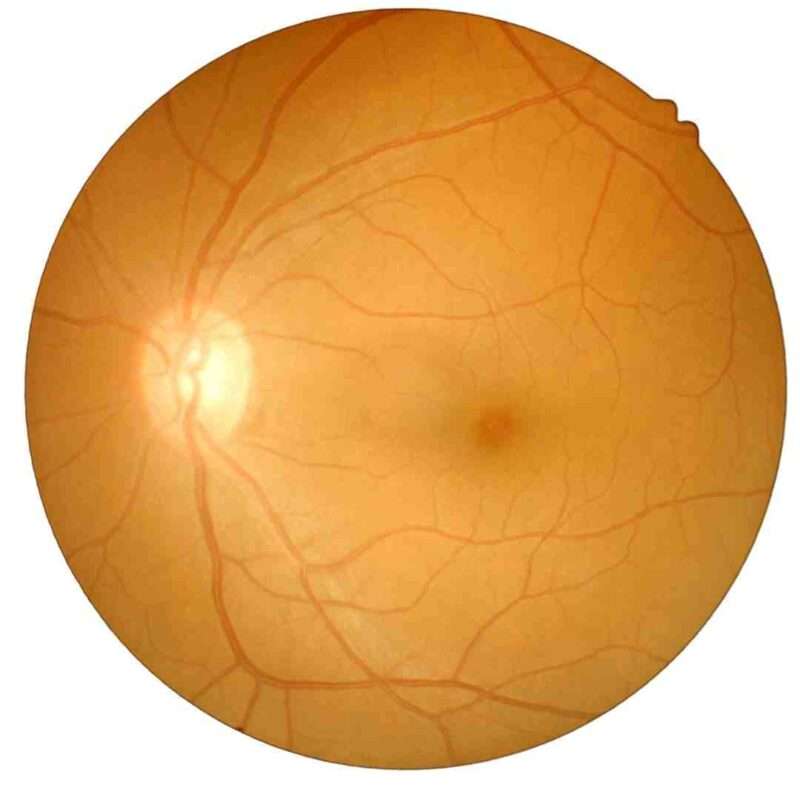
Glaucoma is not a single disease but rather a group of eye disorders that lead to progressive damage of the optic nerve—the vital link between your eyes and brain. This damage is often related to an abnormal buildup of intraocular pressure (IOP), though other factors such as blood flow, genetics, and aging also play a role.
Over time, if untreated, glaucoma can cause permanent vision loss, starting with peripheral (side) vision and eventually affecting central vision.
How Common Is Glaucoma Worldwide?
Glaucoma affects millions across all continents, particularly people over the age of 40. The International Agency for the Prevention of Blindness (IAPB) estimates that by 2040, nearly 112 million people will live with glaucoma. The condition disproportionately affects older adults, those with a family history of the disease, and individuals of African, Asian, or Hispanic descent.

Causes and Types of Glaucoma
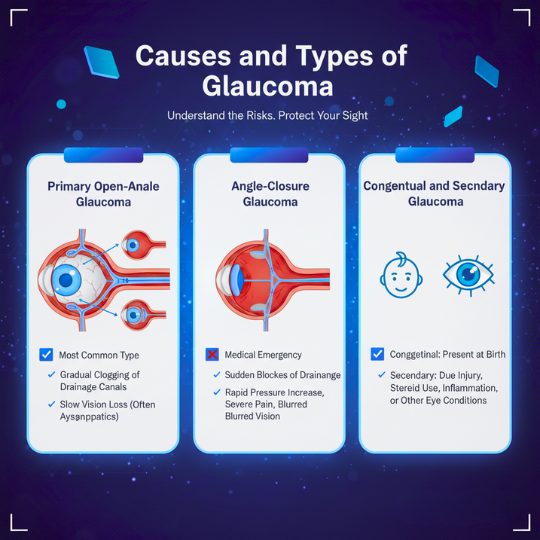
Primary Open-Angle Glaucoma
This is the most common form, where the eye’s drainage canals gradually become less efficient, leading to increased pressure. It develops slowly and painlessly—meaning patients may not realize they have it until significant vision loss has occurred.
Angle-Closure Glaucoma
In this type, the iris blocks the eye’s drainage angle, causing a rapid rise in pressure. It’s a medical emergency and can lead to sudden blindness if untreated. Symptoms often include severe eye pain, headache, and blurred vision.
Congenital and Secondary Glaucoma
Congenital glaucoma appears at birth due to developmental issues in the eye’s drainage system, while secondary glaucoma results from other eye conditions, trauma, or medications such as steroids.
Can Glaucoma Be Cured Permanently?
Why Glaucoma Can’t Be Fully Cured
The unfortunate truth is that glaucoma cannot be cured permanently. Once the optic nerve fibers are damaged, they cannot regenerate. Unlike a cut on your skin that heals over time, the nerve tissue responsible for vision does not repair itself.
However, this doesn’t mean that patients are without hope. With early diagnosis and effective management, vision loss can be significantly slowed or even halted, allowing many patients to maintain good eyesight for life.
What “Treatment” Really Means for Glaucoma
When ophthalmologists talk about treating glaucoma, they’re referring to controlling intraocular pressure. This can be done through eye drops, laser treatments, or surgery. The goal isn’t to cure the disease but to prevent further damage to the optic nerve and preserve remaining vision.
Long-Term Management and Eye Health
Glaucoma treatment requires lifelong management. Regular eye exams, adherence to medication schedules, and maintaining a healthy lifestyle are all essential to keeping the condition under control. Missing treatments or skipping follow-ups can cause irreversible progression.
Current Treatments for Glaucoma
Eye Drops and Medications
The first line of treatment usually involves prescription eye drops. These medications help either decrease fluid production in the eye or improve fluid drainage. Common drug classes include prostaglandin analogs, beta-blockers, and carbonic anhydrase inhibitors.
Laser Therapies
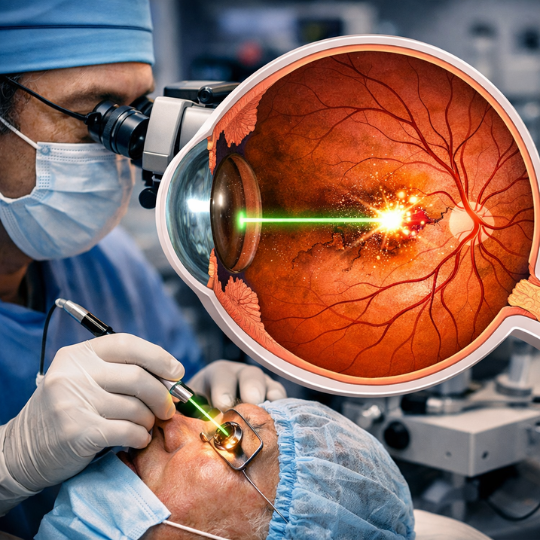
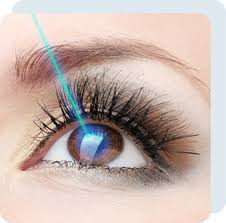
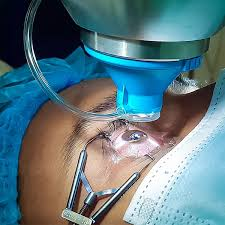
Laser treatments are minimally invasive options for patients who don’t respond well to medications. Techniques like Selective Laser Trabeculoplasty (SLT) and Laser Peripheral Iridotomy (LPI) help improve fluid drainage and control eye pressure effectively.
Surgical Options
For advanced cases, surgeries such as trabeculectomy or glaucoma drainage implants are used to create new pathways for fluid outflow. These procedures can provide long-term pressure control, though they still don’t cure the disease permanently.
Emerging Research and Future Possibilities
Gene Therapy and Stem Cell Research
Scientists are exploring gene-editing technologies like CRISPR and stem cell regeneration to repair damaged optic nerves. These approaches hold promise for restoring lost vision in the future, though they’re still in the experimental stage.
Artificial Intelligence in Early Detection
AI-powered diagnostic systems are revolutionizing how glaucoma is detected and monitored. Machine learning models can identify early changes in the optic nerve—long before vision loss begins—allowing for preventive care.
Neuroprotection and Optic Nerve Regeneration
Research into neuroprotective drugs aims to preserve optic nerve cells from further damage, while regenerative medicine seeks to repair them entirely. These developments could one day make a true cure possible.
Lifestyle and Prevention Strategies
Diet and Nutrition for Eye Health
A balanced diet rich in antioxidants, omega-3 fatty acids, and vitamins C and E can help protect the eyes. Foods like kale, spinach, salmon, carrots, and citrus fruits support optic nerve health and reduce oxidative stress.
Exercise, Stress Management, and Habits
Regular exercise can help lower eye pressure and improve circulation. However, avoid positions (like certain yoga poses) that increase pressure. Limiting caffeine and quitting smoking also promote eye health.
Regular Eye Checkups
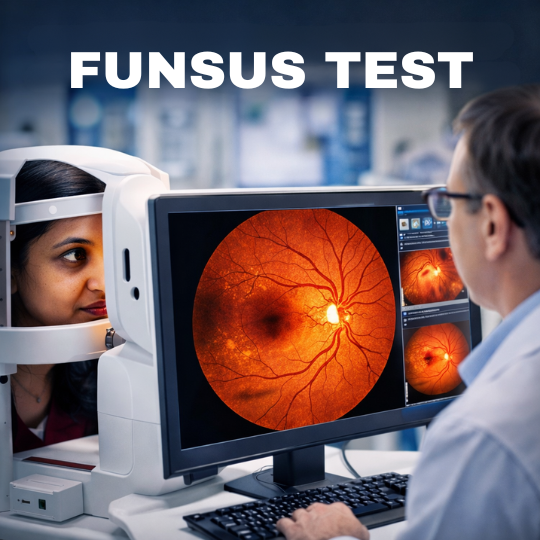
Early detection is the best form of prevention. Eye specialists recommend comprehensive exams every 1–2 years after age 40, or earlier for those with risk factors.
Living With Glaucoma
Coping with Vision Loss
Vision loss, even partial, can impact quality of life. Counseling, vision therapy, and support groups can help patients maintain independence and emotional well-being.
Assistive Technology and Support
Today’s digital tools—such as magnifying apps, voice assistants, and smart glasses—empower patients with glaucoma to stay active and productive despite vision challenges.
Frequently Asked Questions (FAQs)
1. Can glaucoma go away on its own?
No. Glaucoma requires medical management; it does not resolve without treatment.
2. Is there a permanent cure for glaucoma?
Currently, there’s no permanent cure. However, early diagnosis and treatment can prevent vision loss.
3. Can surgery completely remove glaucoma?
Surgery helps lower eye pressure, but it doesn’t reverse nerve damage or eliminate glaucoma permanently.
4. Does glaucoma always lead to blindness?
Not necessarily. With proper care, most patients maintain useful vision throughout life.
5. Can lifestyle changes prevent glaucoma?
Healthy habits can reduce risk and support eye health but can’t fully prevent genetically driven cases.
6. Are researchers close to finding a cure?
Yes, promising research in gene therapy and stem cell medicine is underway, offering hope for future cures.
Conclusion
So, can glaucoma be cured permanently? Unfortunately, not yet. But with modern medicine, early detection, and lifestyle adjustments, glaucoma can be controlled effectively, allowing millions to live full, independent lives.
The key lies in regular eye checkups, adherence to treatment, and staying informed about emerging medical advancements. The future holds tremendous promise—and while a permanent cure remains elusive today, it’s not beyond the horizon.