
Introduction:
Vision is deeply personal. It shapes how we work, connect with others, and experience the world around us. When cataracts develop—often alongside astigmatism or nearsightedness—it can feel like life is slowly losing its sharpness. Reading becomes tiring, driving at night feels stressful, and even familiar faces can appear hazy.
The encouraging reality is that modern cataract surgery is no longer limited to simply removing cloudy lenses. This guide offers a clear, patient-focused view of cataract surgery. It explains how the surgery works, what it can fix, and how it can help you see better and feel more confident.
Understanding Cataracts and How They Affect Vision
A cataract forms when the eye’s natural lens becomes cloudy, usually as a result of aging. Over time, proteins in the lens break down and clump together, blocking light from passing through clearly. This leads to blurred or dim vision, glare from lights, faded colors, and difficulty seeing at night.
Cataracts don’t develop overnight. Most people adapt gradually, increasing lighting or updating glasses prescriptions, until those adjustments no longer help. When cataracts begin interfering with daily activities such as driving, reading, or working, surgery becomes the most effective solution.
Importantly, cataracts often coexist with other refractive errors like astigmatism and nearsightedness. As cataracts progress, they can worsen these conditions, making vision feel unstable or inconsistent. This overlap is why cataract surgery is seen as more than just a fix. It is now an opportunity for complete vision correction.

What Is Astigmatism, and Why Does It Matter?
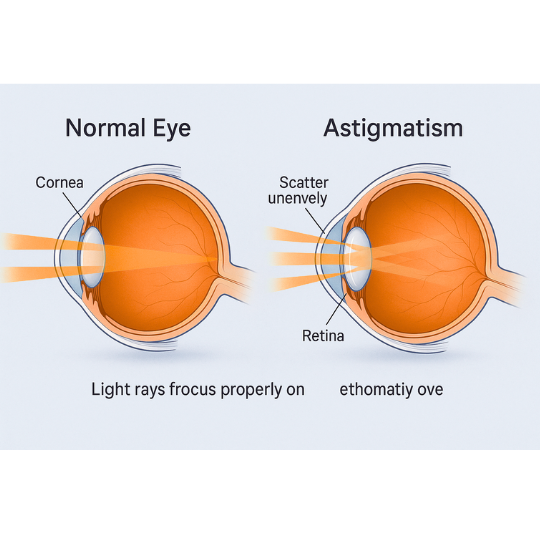
Astigmatism occurs when the cornea or lens of the eye has an irregular shape. Instead of being evenly curved, it is shaped more like an oval. This makes light focus unevenly on the retina. As a result, it causes blurred or distorted vision at all distances.
People with astigmatism often experience:
- Blurry or stretched vision
- Eye strain and headaches
- Difficulty reading or using digital screens
- Problems with night driving due to glare or halos
Astigmatism can be present from birth or develop over time. Aging, eye injuries, surgery, and cataracts themselves can all influence its severity. Traditional correction methods include glasses or contact lenses. However, these only help with the irregular shape and do not fix it permanently.
This is where cataract surgery, combined with modern lens technology, offers a long-term solution.
What Is Nearsightedness (Myopia)?
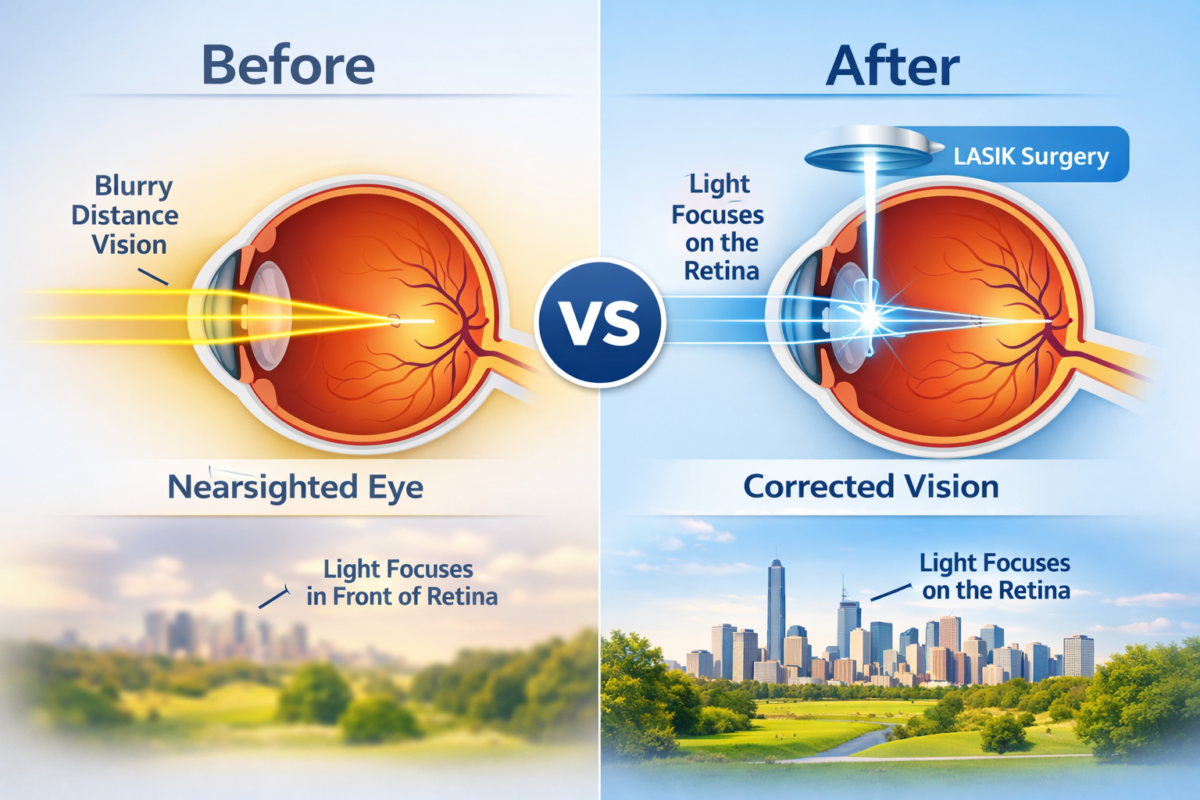
Nearsightedness, or myopia, means you can see close objects clearly, but distant objects appear blurry. It happens when the eye is a bit longer than normal or when the cornea curves too much. This causes light to focus in front of the retina instead of directly on it.
Many people develop myopia in childhood, but it can continue to change throughout adulthood. Cataracts may temporarily alter nearsightedness, sometimes making near vision seem better before overall clarity declines. This fluctuation can be confusing and frustrating.
Doctors traditionally manage nearsightedness with glasses, contact lenses, or refractive surgery.
When cataracts are present, cataract surgery can fix myopia. The surgery replaces the eye’s natural lens with a new one designed for better vision.
How Cataract Surgery Works Today
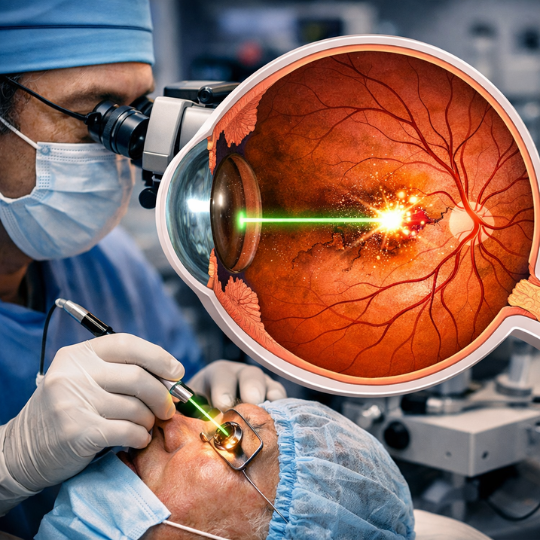
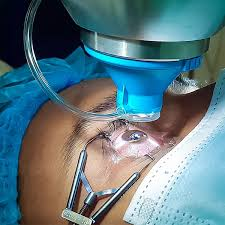
Cataract surgery removes the cloudy lens in the eye. It replaces it with a clear artificial lens called an intraocular lens (IOL). The procedure is typically quick, safe, and performed on an outpatient basis.
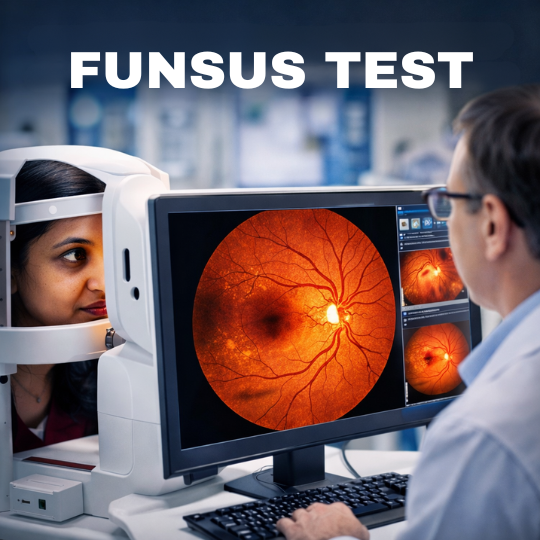
What makes modern cataract surgery different is precision. Advanced diagnostic tools measure the eye’s shape, length, and focusing power in extraordinary detail. These measurements help surgeons choose an IOL. This lens not only removes the cataract but also fixes vision problems like astigmatism and nearsightedness.
Instead of a one-size-fits-all approach, cataract surgery has become highly personalized, designed around each patient’s eyes, lifestyle, and visual goals.

Can Cataract Surgery Correct Astigmatism?
Yes, cataract surgery can effectively correct astigmatism for many patients. The most common method is through the use of toric intraocular lenses.
Toric IOLs are made with different strengths in certain parts of the lens. This helps fix the uneven shape that causes astigmatism. When properly aligned inside the eye, these lenses can significantly reduce or even eliminate astigmatism.
In some cases, surgeons may use limbal relaxing incisions. These are small, precise cuts in the cornea. They help the cornea have a more regular shape. These are usually used for mild astigmatism and can be combined with lens correction.
When surgeons fix astigmatism during cataract surgery, patients see more clearly. They have better contrast and rely less on glasses, especially for seeing far away.
Can Cataract Surgery Correct Nearsightedness?
Cataract surgery is highly effective at correcting nearsightedness. Surgeons can replace the natural lens with an IOL. They can choose the right power to improve distance vision.
Patients have several options depending on their visual preferences:
- Distance-focused correction, reducing the need for glasses when driving or watching TV
- Monovision, where one eye is corrected for distance and the other for near vision
- Advanced lenses that provide a broader range of focus
Unlike glasses or contact lenses, the correction achieved through cataract surgery is permanent. For many people, this means freedom from thick lenses and frequent prescription changes.
Types of Intraocular Lenses Used for Vision Correction
Choosing the right IOL is one of the most important decisions in cataract surgery. Common options include:
- Monofocal lenses: Provide clear vision at one distance, usually far
- Toric lenses: Correct astigmatism
- Multifocal lenses: Offer multiple focal points for near and distance vision
- Extended depth-of-focus lenses: Provide a smooth range of vision with fewer visual disturbances
Each lens type has advantages and potential trade-offs. The best choice depends on eye health, daily activities, and tolerance for visual side effects such as glare or halos.
What Results Can Patients Realistically Expect?
Most patients experience significant improvements in clarity, brightness, and color perception after cataract surgery. Many achieve reduced dependence on glasses, particularly for distance vision.
However, results vary. Factors such as pre-existing eye conditions, healing response, and lens selection all influence outcomes. While cataract surgery can dramatically improve vision, it may not eliminate the need for glasses in every situation.
Clear communication with the surgeon and realistic expectations are key to satisfaction.
Recovery and Life After Cataract Surgery Correct Astigmatism and Nearsightedness
Recovery from cataract surgery is usually smooth and relatively quick. Many patients notice improved vision within a few days, although vision may continue to stabilize over several weeks.
During recovery, patients are advised to:
- Use prescribed eye drops
- Avoid heavy lifting or rubbing the eyes
- Attend follow-up appointments
Once healed, most people report improved confidence, independence, and quality of life. Activities that once felt difficult—reading, driving, working—often become enjoyable again.
Conclusion: A Clearer, More Confident Future
Cataract surgery has advanced far beyond simply removing cloudy lenses. Today, it offers a powerful opportunity to correct astigmatism and nearsightedness in a single, life-enhancing procedure. With modern technology and personalized lens options, many patients can see more clearly than they have in years.
If cataracts are affecting your daily life, cataract surgery may not only restore your vision—it may transform how you see the world and how confidently you move through it.
Author Details:
Dr. Sushruth Appajigowda holds a prominent position as a cornea, cataract, glaucoma, and LASIK surgeon in Bangalore. He serves as the chief cataract and refractive surgeon at Vijaya Nethralaya Eye Hospital, Nagarbhavi, Bangalore. Renowned as one of the finest LASIK surgeons nationwide, he brings with him over 12+ years of experience across multiple LASIK platforms, including ZEISS, ALCON, SCHWIND, AMO, and Bausch and Lomb. Having successfully conducted over 5000 LASIK procedures, Dr. Sushruth holds the title of a Certified Refractive Surgeon and a Fellow of the All India Collegium of Ophthalmology. Furthermore, he stands as a distinguished speaker at various national and international forums, using his expertise to guide you in selecting the most suitable procedure based on your health requirements.

http://vijayanethralaya.com/link-in-bio/
Frequently Asked Questions
Can cataract surgery completely eliminate the need for glasses?
Some patients achieve excellent vision without glasses, but others may still need them for certain tasks.
Are toric lenses permanent?
Yes, toric lenses are designed to last a lifetime.
Is astigmatism correction covered by insurance?
Standard cataract surgery is usually covered, but astigmatism-correcting lenses may involve additional costs.
Can both eyes be corrected differently?
Yes, strategies like monovision correct each eye for different visual tasks.
How long do cataract surgery results last?
The implanted lens does not wear out, so results are long-lasting.