
Introduction to Blepharoplasty:
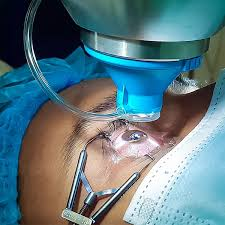
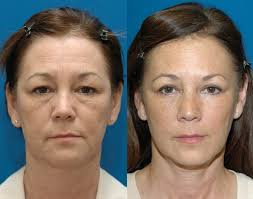
Blepharoplasty, more commonly known as eyelid surgery, is one of the most sought-after cosmetic and functional procedures worldwide. Whether it’s to restore youthful eyes, improve vision obstructed by droopy eyelids, or simply achieve a refreshed appearance, this surgery has become a cornerstone of modern facial aesthetics.
With advancing technology and refined techniques, blepharoplasty (eyelid surgery) offers results that are natural, long-lasting, and minimally invasive compared to older methods. But before deciding if it’s right for you, it’s important to understand the types, benefits, risks, recovery, and costs involved.
What is Blepharoplasty?
At its core, blepharoplasty is a surgical procedure designed to remove excess skin, fat, and muscle from the eyelids. Depending on the patient’s needs, it can target the upper eyelids, lower eyelids, or both.
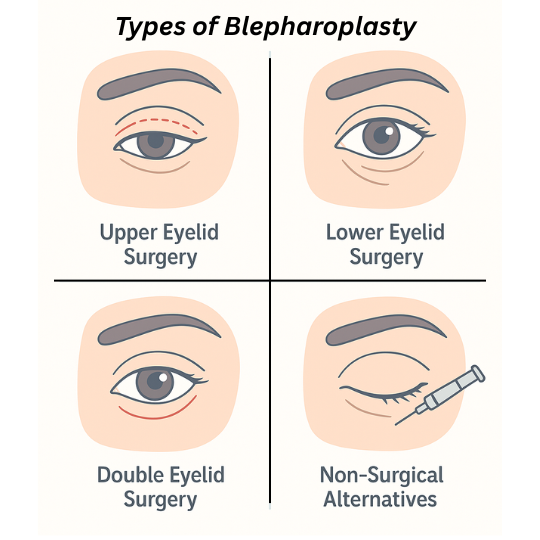
- Upper eyelid surgery: Corrects drooping lids that may impair vision or create a tired look.
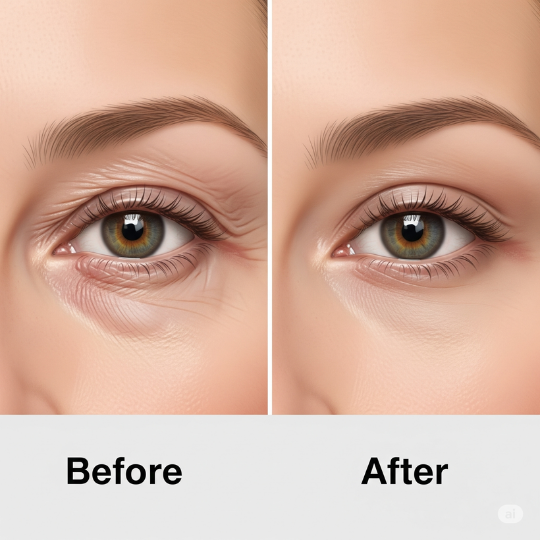
- Lower eyelid surgery: Reduces puffiness, eye bags, and wrinkles under the eyes.
- Double eyelid surgery: Popular in East Asia, this technique creates a crease in the upper eyelid for a more defined appearance.
This procedure can be cosmetic (to enhance looks) or functional (to improve vision), making it one of the few surgeries that bridge both aesthetics and health.
Historical Background of Eyelid Surgery
The concept of eyelid rejuvenation isn’t new. Early forms of blepharoplasty date back centuries, with modern techniques emerging in the early 20th century. As facial plastic surgery advanced, blepharoplasty became safer, more precise, and widely accepted as a mainstream solution for aging and cosmetic enhancement.
Today, it ranks among the top five cosmetic surgeries globally, highlighting its popularity and effectiveness.
Why People Choose Eyelid Surgery:
The motivations behind blepharoplasty vary, but common reasons include:
- Cosmetic enhancement – To look younger, more alert, and refreshed.
- Medical necessity – To remove drooping eyelids obstructing vision.
- Cultural influence – Especially in countries where double eyelid surgery is highly popular.
- Boost in self-esteem – A more youthful appearance often leads to greater confidence.
Types of Blepharoplasty:
Upper Eyelid Surgery
Upper eyelid blepharoplasty is performed to remove sagging skin and fat deposits from the eyelid crease. This type of surgery is often done when droopy lids interfere with vision, makeup application, or facial balance. Many patients report that their eyes look more open, youthful, and alert after the procedure.
Lower Eyelid Surgery
Lower blepharoplasty targets eye bags, puffiness, and wrinkles beneath the eyes. The surgeon may reposition or remove fat deposits and tighten loose skin to smooth out the area. This procedure is ideal for individuals who look tired despite getting enough rest.
Double Eyelid Surgery
Common in East Asian countries, double eyelid surgery creates a visible crease in the upper eyelid. While some patients choose it for aesthetic reasons, others seek it to improve symmetry or facial harmony.
Non-Surgical Alternatives
Not everyone is ready for surgery, and that’s where non-invasive options come in. Dermal fillers, Botox, and laser treatments can temporarily reduce wrinkles and puffiness. However, their effects are short-lived compared to surgical blepharoplasty.
Who is a Good Candidate for Eyelid Surgery?
Age & Health Requirements
Most patients are 35 years or older, though younger individuals with genetic eye bags or drooping lids may also qualify. Good candidates should be in overall good health, with no serious eye or skin conditions.
Cosmetic vs. Functional Needs
Some seek blepharoplasty purely for aesthetic reasons, while others undergo surgery because droopy lids obstruct their vision. Insurance may cover the latter, making it important to distinguish between the two.
Contraindications to Surgery
Patients with uncontrolled diabetes, thyroid problems, severe dry eye, or clotting disorders may not be suitable candidates. A thorough consultation with a surgeon ensures safety and eligibility.
Preparing for Blepharoplasty:
Medical Evaluation & Pre-Surgery Tests
Before surgery, patients undergo eye exams, blood work, and a review of medical history. The surgeon will also take photographs for surgical planning and insurance documentation if needed.
Lifestyle Adjustments Before Surgery
Patients are advised to:
- Quit smoking at least two weeks before surgery.
- Avoid blood-thinning medications (like aspirin).
- Maintain a healthy diet and stay hydrated.
Choosing the Right Surgeon
Selecting a board-certified plastic surgeon or oculoplastic surgeon is critical. Patients should ask about the surgeon’s experience, success rate, and before-and-after photos to ensure confidence in their choice.
The Blepharoplasty Procedure Explained:
Anesthesia & Surgical Techniques
Blepharoplasty can be performed under local anesthesia with sedation or general anesthesia. The choice depends on the complexity of the surgery and the patient’s comfort.
Step-by-Step Surgery Process
- The surgeon makes incisions along the natural eyelid creases.
- Excess skin, fat, and sometimes muscle are removed or repositioned.
- The incisions are carefully closed with fine sutures for minimal scarring.
Duration & Immediate Recovery Phase
The surgery typically takes 1 to 3 hours, depending on whether both upper and lower lids are treated. Most patients return home the same day and need assistance for the first 24 hours.
Recovery After Eyelid Surgery:
Post-Surgery Care Instructions
Patients should:
- Apply cold compresses to reduce swelling.
- Use prescribed eye drops and ointments.
- Sleep with their head elevated.
- Avoid strenuous activities for at least 2 weeks.
Managing Swelling, Bruising & Pain
Swelling and bruising peak within 48 hours but gradually subside over 1–2 weeks. Mild discomfort can be managed with pain medication and ice packs.
Timeline for Full Recovery
- 1 week: Stitches removed.
- 2 weeks: Most swelling and bruising fade.
- 1–3 months: Eyelids fully heal with natural results.
Risks and Complications of Blepharoplasty
Common Side Effects
- Temporary swelling and bruising
- Dry eyes or mild irritation
- Sensitivity to light
Rare but Serious Complications
- Infection
- Asymmetry in eyelids
- Difficulty closing eyes fully
- Vision problems (extremely rare)
How to Reduce Risks
Choosing an experienced surgeon, following aftercare instructions, and attending follow-up visits significantly lower the chances of complications.
Benefits of Eyelid Surgery
Aesthetic Improvements
Blepharoplasty provides a younger, fresher appearance by reducing wrinkles, puffiness, and drooping eyelids.
Functional Benefits for Vision
In functional cases, the surgery improves eyesight by lifting heavy eyelids that block vision.
Boost in Confidence & Quality of Life
Patients often feel more confident, socially active, and youthful after the procedure.
Cost of Blepharoplasty
Factors Influencing Price
- Surgeon’s experience
- Location of clinic
- Type of surgery (upper, lower, or both)
- Anesthesia and facility fees
Insurance Coverage for Functional Surgery
Insurance may cover surgery if it is deemed medically necessary due to impaired vision. Cosmetic cases are typically not covered.
Financing Options & Payment Plans
Many clinics offer monthly installment plans or financing through third-party providers, making the procedure more accessible.
Blepharoplasty vs. Non-Surgical Alternatives
Dermal Fillers & Botox
Fillers can smooth hollows under the eyes, while Botox reduces wrinkles. Results are temporary and usually last 6–12 months.
Laser Treatments & Skin Tightening
Lasers can stimulate collagen production, but results are modest compared to surgery.
Pros & Cons Compared to Surgery
- Non-surgical: Less downtime, lower cost, but temporary.
- Surgical: Permanent results, higher upfront cost, requires recovery time.
Choosing the Right Surgeon
Qualifications to Look For
Seek a board-certified plastic surgeon or oculoplastic surgeon with years of experience.
Questions to Ask During Consultation
- How many blepharoplasty surgeries have you performed?
- What complications have your patients experienced?
- What results can I realistically expect?
Checking Before & After Photos
Reviewing before-and-after photos helps set realistic expectations and assess the surgeon’s skill.
Results & Longevity of Blepharoplasty
How Long Do Results Last?
Results can last 10–15 years for many patients. Aging continues, but most enjoy a long-lasting improvement.
Maintaining Results with Lifestyle & Skincare
- Protect eyes from sun exposure.
- Maintain a healthy lifestyle.
- Use quality skincare and stay hydrated.
Celebrities and Eyelid Surgery Trends
Popularity of Blepharoplasty Worldwide
Blepharoplasty consistently ranks among the top five cosmetic surgeries globally, with high demand in Asia, Europe, and the U.S.
Influence of Media & Culture
Celebrity trends and media influence have fueled the popularity of double eyelid surgery and anti-aging eyelid procedures.
Conclusion: Is Blepharoplasty Right for You?
Blepharoplasty (eyelid surgery) is more than just a cosmetic procedure—it’s a life-changing surgery that can restore youthful eyes, boost confidence, and even improve vision. While risks exist, careful preparation and choosing the right surgeon maximize safety and satisfaction.
If you’re considering blepharoplasty, schedule a consultation with a certified surgeon to discuss your goals, options, and expected outcomes.
Author Details:
Dr. Sushruth Appajigowda holds a prominent position as a Cornea, Cataract, Glaucoma, and LASIK Surgeon in Bangalore. He serves as the chief Cataract and Refractive surgeon at Vijaya Nethralaya Eye Hospital, Nagarbhavi Bangalore. Renowned as one of the finest LASIK surgeons nationwide, he brings with him over 12+ years of experience across multiple LASIK platforms, including ZEISS, ALCON, SCHWIND, AMO, and Bausch and Lomb. Having successfully conducted over 5000 LASIK procedures, Dr. Sushruth holds the title of a Certified Refractive Surgeon and a Fellow of the All India Collegium Of Ophthalmology. Furthermore, he stands as a distinguished speaker at various National and International Forums, using his expertise to guide you in selecting the most suitable procedure based on your health requirements.

http://vijayanethralaya.com/link-in-bio/
Frequently Asked Questions about Blepharoplasty
How painful is eyelid surgery?
Most patients experience only mild discomfort, managed with pain medication and cold compresses.
Is blepharoplasty permanent?
While results are long-lasting (10–15 years), natural aging continues.
Can eyelid surgery make me look younger?
Yes. Patients often look 5–10 years younger after surgery.
How do I sleep after surgery?
Sleep with your head elevated for at least one week to minimize swelling.
What are the risks of blepharoplasty?
Risks include infection, scarring, asymmetry, and temporary vision changes, but these are rare with experienced surgeons.
How much does blepharoplasty cost?
The average cost ranges from $3,000 to $6,000, depending on the complexity and location.