
Introduction to Binocular Double Vision
Seeing double? It might not just be fatigue or a bad day. If both your eyes are open and you’re seeing two images instead of one, you’re likely dealing with binocular double vision, also called binocular diplopia. Unlike monocular double vision, which affects just one eye, binocular diplopia disappears when either eye is closed. It’s often a sign of a deeper issue involving the muscles, nerves, or brain.
What is double vision (diplopia)?
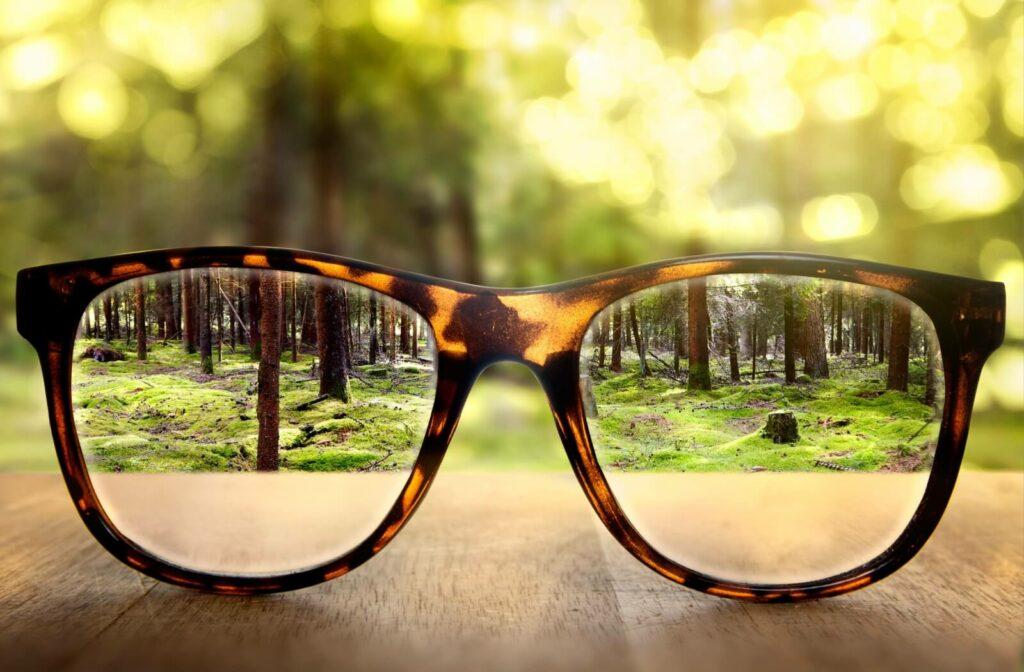
Diplopia is the fancy term for double vision. It means your brain is getting two images from your eyes that it can’t merge properly into one clear picture. The result? Everything looks doubled, ghosted, or misaligned.
Difference Between Monocular and Binocular Double Vision
- Monocular Diplopia: Only occurs in one eye. The double image remains even if the other eye is closed. Usually due to issues within the eye itself (like cataracts or corneal problems).
- Binocular Diplopia: Affects both eyes. If you close either eye, the double vision disappears. Often caused by issues in eye alignment or neurological problems.

Common Causes of Binocular Double Vision
Eye Muscle Imbalance (Strabismus)
One of the top culprits. When your eye muscles don’t move together, your eyes point in slightly different directions, leading to double images.
Cranial Nerve Palsies
Nerves that control your eye muscles—like the third, fourth, or sixth cranial nerves—can be damaged due to stroke, injury, or infection. This affects eye movement coordination.
Graves’ Disease (Thyroid Eye Disease)
An autoimmune condition that causes inflammation and swelling of eye muscles, affecting their ability to move properly.
Diabetes and Hypertension
These chronic diseases can damage the small blood vessels and nerves that supply the eyes, sometimes leading to temporary or permanent diplopia.
Brain Tumors or Strokes
In rare but serious cases, a stroke or tumor pressing on specific parts of the brain can result in binocular double vision.
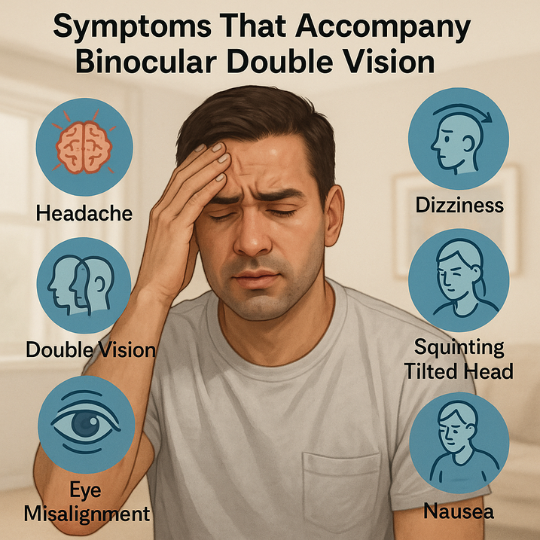
Symptoms That Accompany Binocular Double Vision
You might experience more than just double images. Some signs that usually tag along include:
Headaches and Eye Strain
Your brain tries hard to merge two conflicting images, leading to intense fatigue and pain around your eyes and forehead.
Nausea and Dizziness
The confusion between the images can throw off your balance and make you feel disoriented.
Difficulty Reading or Driving
Simple tasks become frustrating. Texts might seem jumbled, and judging distances while driving becomes risky.
How Binocular Diplopia is Diagnosed
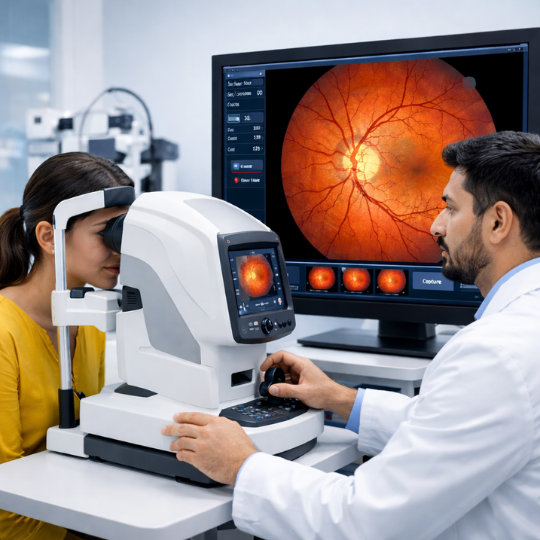
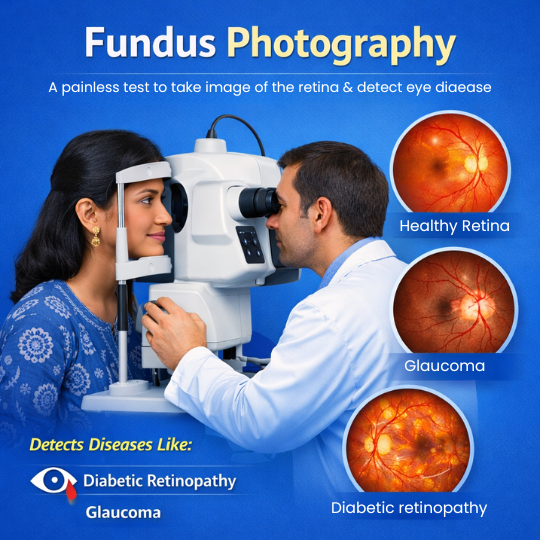
Detailed Eye Exam by an Ophthalmologist
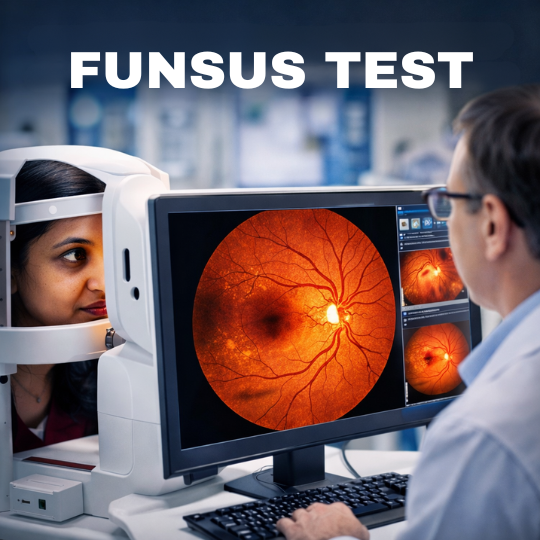
A thorough eye checkup is the first step. Your eye doctor will ask about your symptoms, medical history, and any recent trauma or illnesses.
Cover Test and Prism Test
These help evaluate eye alignment and determine the type of double vision you’re experiencing.
Imaging: CT or MRI Scans
If a neurological issue is suspected, imaging of your brain or eye sockets might be needed to rule out tumors, bleeding, or stroke.
Blood Tests for Underlying Conditions
If thyroid disease or diabetes is suspected, blood tests help confirm the diagnosis and guide treatment.
Effective Treatment Options for Binocular Double Vision
Prescription Eyeglasses with Prisms
Prism lenses bend light entering the eye, helping realign the images so your brain can fuse them correctly.
Eye Patching or Occlusion Therapy
A temporary fix where one eye is covered to eliminate one of the images. Helpful while waiting for nerve palsies or muscle issues to resolve.
Vision Therapy and Eye Exercises
Think of it as physiotherapy for your eyes. Tailored exercises help strengthen eye muscles and improve coordination.
Surgery for Eye Muscle Alignment
In long-standing or severe strabismus, surgical correction can realign the eyes and eliminate double vision.
Treating the Underlying Cause
Whether it’s diabetes, thyroid disease, or a nerve issue—addressing the root cause often leads to resolution of symptoms.
Lifestyle Adjustments to Manage Symptoms of Binocular Double Vision
Use of Anti-glare Screens and Adequate Lighting
Helps reduce strain on the eyes, especially if you work on digital screens for long hours.
Avoiding Activities That Require Depth Perception
Driving, climbing stairs, or handling sharp tools might need to be put on hold until your vision stabilizes.
Wearing Sunglasses to Reduce Eye Strain
Polarized lenses can reduce visual confusion and glare from lights, making daily life a bit more comfortable.
When to See a Doctor Urgently
If your double vision appears suddenly and is accompanied by weakness, slurred speech, or imbalance—go to the ER immediately. These are red flags for a stroke or brain issue.
Prognosis and Recovery Timeline
Recovery depends on the cause. Temporary double vision from nerve palsies may resolve in weeks. Conditions like strabismus might need long-term care or surgery. Most people see improvement with proper diagnosis and treatment.
Tips for Preventing Recurrence
- Keep chronic conditions like diabetes and thyroid disorders under control.
- Avoid eye strain with regular breaks.
- Schedule regular eye checkups, especially if you have a history of eye or neurological issues.
Conclusion
Binocular double vision may sound scary, but it’s often manageable with the right diagnosis and treatment. Whether it’s a simple eye muscle imbalance or a deeper neurological issue, addressing the root cause is key. Don’t ignore double vision—it’s your body’s way of telling you something’s off. The sooner you act, the better your chances of a full recovery.
FAQs
1. Is double vision permanent?
Not always. Some causes are temporary and resolve with treatment, while others may require surgery or long-term management.
2. Can stress cause binocular double vision?
Stress can indirectly affect your eyes by causing muscle tension, but it’s rarely a direct cause. However, it can worsen existing symptoms.
3. How long does it take to treat binocular diplopia?
It depends on the cause—some resolve in weeks, others take months or require surgery.
4. Can I drive if I have double vision?
It’s not recommended. Double vision can impair depth perception and reaction time. Consult your doctor first.
5. Does double vision mean I have a brain issue?
Not always, but it can be a symptom of a neurological condition. Always get it evaluated by a specialist.