
Cataracts affect more than 24 million adults in the United States alone, and with an aging population, the number continues to rise. Today, bilateral cataract surgery—the process of treating cataracts in both eyes—is becoming increasingly popular due to advances in laser precision, safety protocols, and faster recovery times. Whether you’re researching for yourself or a loved one, this complete guide breaks down everything you need to know in a clear, friendly, and professional way.
What Is Bilateral Cataract Surgery?
Bilateral cataract surgery refers to performing cataract removal in both eyes, either on the same day or spaced out over separate sessions. Since cataracts often affect both eyes progressively, many patients prefer addressing them together to speed up recovery, reduce clinic visits, and improve overall quality of life.
Understanding Cataracts
Cataracts develop when the eye’s natural lens becomes cloudy, leading to blurry or dim vision. Common causes include:
- Aging (most common)
- Diabetes
- Long-term UV exposure
- Previous eye injuries
- Genetic predisposition
Typical symptoms include:
- Clouded or hazy vision
- Light sensitivity
- Difficulty reading
- Poor night vision
- Faded colors

Difference Between Unilateral & Bilateral Surgery
| Feature | Unilateral Surgery | Bilateral Surgery |
|---|---|---|
| Number of eyes treated | One at a time | Both eyes |
| Recovery | Two separate recoveries | One combined recovery |
| Appointments | Multiple visits | Fewer visits |
| Cost | Higher overall cost | Often lower total expense |

Why Bilateral Cataract Surgery Is Becoming More Common
Over the past decade, surgeons worldwide have begun adopting same-day bilateral cataract surgery due to:
- Improved surgical technology
- Femtosecond laser precision
- Lower complication rates
- Reduced burden on older people
- Better quality-of-life outcomes
Rise of Same-Day Cataract Procedures
Same-day surgery has gained popularity because:
- It minimizes time away from work or daily activities
- Both eyes adjust simultaneously
- It reduces the “one blurry eye” phase typical with unilateral surgery
Hospitals now follow strict safety measures to ensure optimal results for patients choosing simultaneous procedures.
Types of Bilateral Cataract Surgery
There are two major types of bilateral surgery:
Simultaneous Bilateral Cataract Surgery (SBCS)
Both eyes are operated on during the same session.
Pros:
- One recovery period
- Fewer trips to the surgeon
- Immediate improvement in binocular vision
Cons:
- If complications occur in one eye, they might affect both
- Not suitable for high-risk patients
- Requires strict sterile protocols
Sequential Bilateral Cataract Surgery
Each eye is treated on different days, often 1–4 weeks apart.
Pros:
- Allows surgeon to assess healing of the first eye
- Suitable for patients with complex conditions
Cons:
- Two separate recoveries
- More hospital visits
Ideal Candidates for Bilateral Cataract Surgery
You may qualify for bilateral cataract surgery if:
- You have cataracts in both eyes
- You’re in good general health
- You have no major eye infections or conditions
- You want faster, combined recovery
Who Should Avoid It?
You may not be a good candidate if you have:
- Uncontrolled diabetes
- Severe dry eye
- Macular degeneration
- Glaucoma complications
- High infection risk
A specialist will perform pre-surgical tests to determine eligibility.
Step-by-Step Procedure: What Happens During Surgery
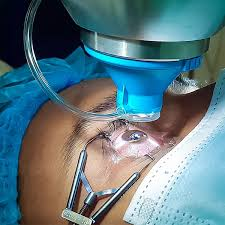
Cataract surgery is one of the safest outpatient procedures, typically lasting 10–15 minutes per eye.
- Pre-Op Preparation
- Eye measurements
- Lens power calculation
- Medical history review
- Anesthesia
- Numbing eye drops
- Lens Removal
- Laser or ultrasound breaks cataract
- IOL Lens Implantation
- The surgeon inserts a new artificial lens
- Post-Op Observation
- Patients rest before going home
Intraocular Lens (IOL) Options
Your new lens determines the clarity and sharpness of your vision:
- Monofocal IOLs: Best for distance vision
- Multifocal IOLs: Treat both near and far vision
- Toric IOLs: Correct astigmatism
- Extended Depth of Focus (EDOF) lenses: Improve intermediate vision (great for computer use)
Benefits of Bilateral Cataract Surgery
Modern patients choose bilateral surgery for several reasons:
- Clearer, sharper vision
- Reduced glare and halos
- Fewer clinic visits
- Faster return to daily life
- Balanced vision in both eyes
Lifestyle Benefits
After successful bilateral surgery, many people enjoy:
- Driving more confidently
- Reading without strain
- Watching TV or using digital devices easily
- Less dependence on glasses
Risks & Complications
While rare, risks include:
- Infection (endophthalmitis)
- Inflammation
- Double vision
- Incorrect IOL power
- Dry eye symptoms
Surgeons follow strict safety protocols:
Preventative Measures
- Using separate surgical kits for each eye
- Administering prophylactic antibiotics
- Employing femtosecond lasers for precision
Recovery Timeline & Aftercare
Most patients notice clearer vision within 24–48 hours.
Typical Recovery Phases
- Day 1: Mild blurriness, light sensitivity
- Week 1: Significant vision improvement
- Month 1: Final visual clarity
Tips for Faster Healing
- Avoid touching or rubbing your eyes
- Use prescribed drops consistently
- Wear protective glasses outdoors
- Avoid heavy lifting and swimming
Cost of Bilateral Cataract Surgery (2025 Guide)
Below is an updated price comparison including India, where cataract surgery is significantly more affordable due to lower medical costs while still maintaining high-quality care in many private hospitals.
| Country | Average Cost Per Eye |
|---|---|
| USA | $3,000–$5,000 |
| UK (NHS options available) | £2,500–£3,500 |
| Australia | AUD $2,500–$4,000 |
| India | ₹20,000–₹60,000 (standard IOL) / ₹60,000–₹120,000 (premium IOL) |
Note:
- Prices vary depending on the hospital, surgeon, city, and lens type (monofocal vs. multifocal).
- Premium lenses (multifocal, toric, and EDOF) cost more across all countries.
Insurance & Medicare Coverage
- Medicare covers medically necessary cataract surgery
- Premium IOLs may require out-of-pocket payments
- Private insurance varies—check your policy
Bilateral Cataract Surgery vs. Traditional Cataract Surgery
| Feature | Bilateral | Traditional (One Eye) |
|---|---|---|
| Recovery time | Faster overall | Longer |
| Convenience | High | Moderate |
| Cost | Often lower | Higher |
| Vision balance | Immediate | Delayed |
Conclusion
Bilateral cataract surgery has transformed how patients regain their vision—offering a faster, more balanced, and more convenient approach to treatment. With modern laser tools, premium lenses, and improved safety protocols, it’s no wonder this option is becoming the gold standard in 2025. If you’re considering cataract surgery for both eyes, speak with a qualified ophthalmologist who can assess your candidacy and guide you toward the best outcome.
FAQs About Bilateral Cataract Surgery
1. Is bilateral cataract surgery safe?
Yes, it’s considered safe when done by skilled surgeons using sterile protocols.
2. How long does the surgery take?
About 10–15 minutes per eye.
3. Will I need glasses afterward?
Depends on your IOL type. Multifocal lenses reduce dependence on glasses.
4. Can both eyes be done on the same day?
Yes—many surgeons offer simultaneous procedures.
5. How long until I can drive?
Most patients can resume driving within 24–48 hours, depending on doctor approval.
6. Does insurance cover it?
Basic cataract surgery is usually covered, but premium lenses may require extra payment.