
Why People Are Choosing LASIK Over Glasses and Contacts
The Daily Struggles of Vision Dependency
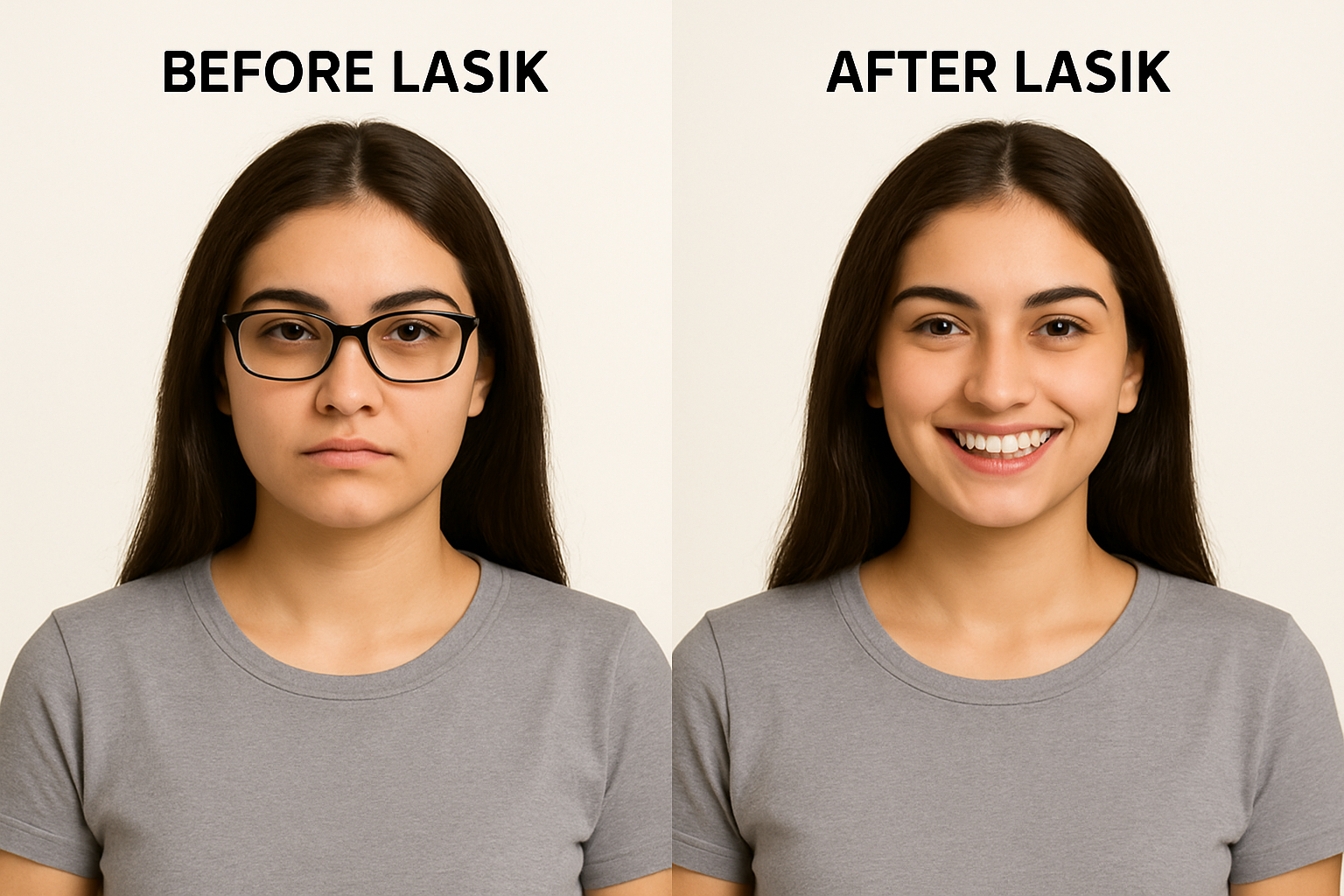
You wake up in the morning and instinctively reach for your glasses before you can even see clearly. If you wear contact lenses, the routine isn’t any easier—cleaning, storing, worrying about dryness, or that irritating feeling when something gets trapped in your eye. Over time, these small inconveniences add up. They start to feel less like minor annoyances and more like a constant limitation.
For many people between the ages of 20 and 45, vision correction tools become a daily burden. Glasses fog up during workouts, slip during important moments, and sometimes even affect confidence in social or professional settings. Contact lenses, while more discreet, bring their own set of concerns—eye infections, dryness, and long-term discomfort.
Then there’s the emotional side of it. Imagine planning a vacation or a big event and worrying about whether your lenses will last the whole day or if your glasses might break. These are real concerns people live with daily. It’s not just about seeing clearly—it’s about living freely without dependency.
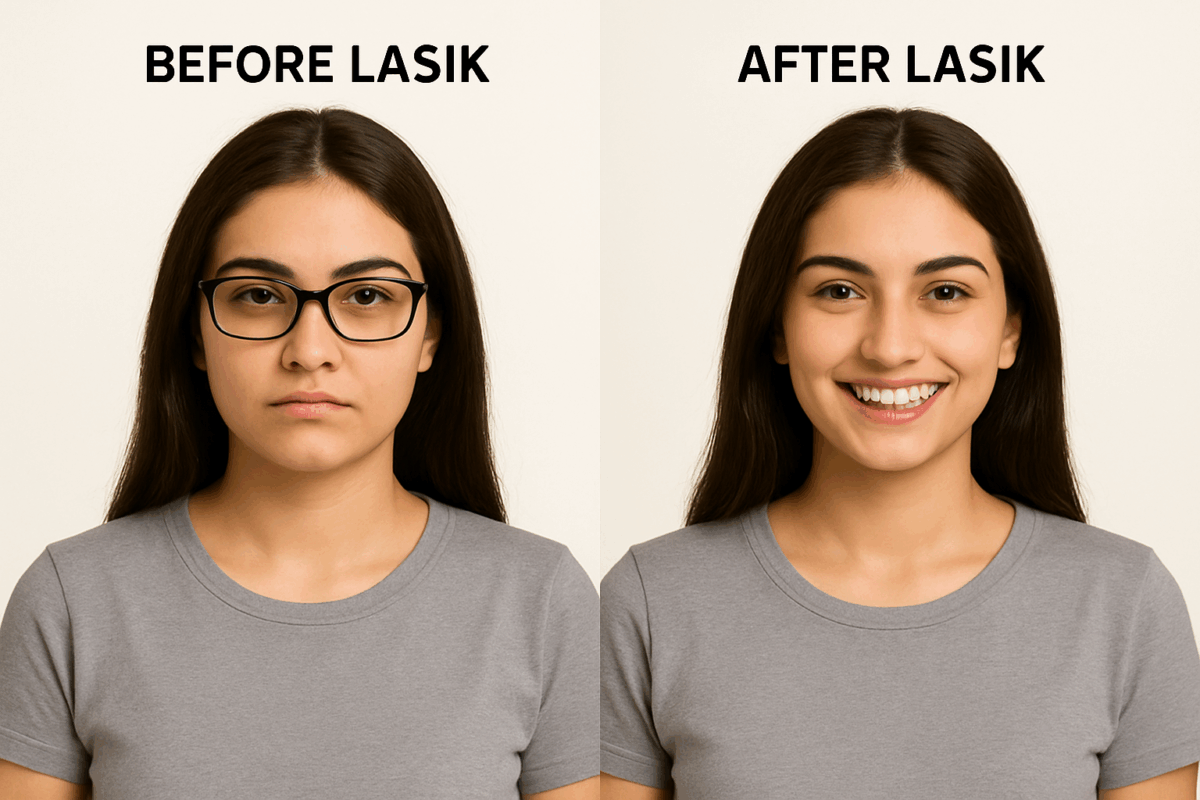
That’s exactly where the idea of the best LASIK eye surgery comes in. People aren’t just looking for vision correction; they’re looking for a permanent solution that restores both clarity and confidence. And the promise is simple: wake up and see the world clearly, without reaching for anything.
Emotional and Lifestyle Benefits of LASIK
Choosing LASIK isn’t just a medical decision—it’s a lifestyle upgrade. Imagine waking up and seeing everything clearly without searching for your glasses. Imagine swimming, traveling, or working long hours without worrying about lenses drying out or glasses slipping down your nose.
The emotional relief is often just as powerful as the physical benefit. Many patients describe LASIK as “life-changing,” not because it’s dramatic, but because it removes a constant inconvenience they’ve lived with for years. That mental freedom is hard to quantify, but it’s real.
From a practical standpoint, LASIK can also save money in the long run. When you consider the recurring cost of glasses, frames, contact lenses, solutions, and eye checkups, the one-time investment in LASIK starts to make sense financially.
But here’s the key point—not all LASIK surgeries are equal. The difference between a good experience and a great one lies in choosing the best LASIK eye surgery, performed by experienced surgeons using advanced technology and strict safety protocols.
That’s exactly what this guide will help you understand—how to make the right, informed choice.
What Makes LASIK the “Best” Choice for Vision Correction
Importance of Surgeon Experience
When it comes to eye surgery, experience isn’t just important—it’s everything. A highly experienced LASIK surgeon brings precision, confidence, and the ability to handle even complex cases with ease. But how do you define “experienced”?
Look at two key factors:
- Years of practice in refractive surgery
- Number of successful LASIK procedures performed
Top LASIK surgeons often have 10–20+ years of experience and have performed tens of thousands of surgeries. This level of exposure allows them to refine their technique and anticipate challenges before they arise.
An experienced surgeon doesn’t just perform the procedure—they evaluate whether you’re a suitable candidate in the first place. This is crucial because recommending LASIK to the wrong patient can lead to complications. Ethical decision-making is a hallmark of a trustworthy expert.
In many leading eye hospitals, surgeons follow a patient-first approach, meaning they may even advise against LASIK if it’s not the safest option for you. That level of honesty is a strong indicator of expertise and trustworthiness.
Role of Advanced LASIK Technology
Technology plays a massive role in determining the success and safety of LASIK surgery. Modern systems like Zeiss VisuMax and Alcon WaveLight have revolutionized vision correction by offering unmatched precision.
These advanced platforms provide:
- Blade-free procedures (Femto LASIK)
- Customized corneal mapping for higher accuracy
- Reduced risk of complications
- Faster recovery times
For example, Contoura Vision technology maps over 22,000 unique elevation points on the cornea, allowing for highly personalized treatment. This leads to sharper vision outcomes compared to traditional LASIK.
Similarly, SMILE Pro, a newer technique, offers a minimally invasive approach with even less disruption to the cornea, making it ideal for certain patients.
The best LASIK eye surgery isn’t defined by a single factor—it’s a combination of expert surgeons, cutting-edge technology, strict safety protocols, and proven outcomes.
Types of LASIK Eye Surgery Explained
Standard LASIK vs Bladeless LASIK
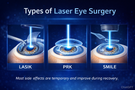
When people first hear about LASIK, they often assume it’s a single, uniform procedure. In reality, there are multiple types, each designed to suit different eye conditions and comfort levels. Understanding these options is essential if you want to choose the best LASIK eye surgery for your needs.
Standard LASIK is the traditional method where a microkeratome blade is used to create a thin flap in the cornea. While this method has been used successfully for decades and delivers reliable results, it does involve mechanical contact, which may slightly increase the risk of flap-related complications compared to newer techniques.
On the other hand, Bladeless LASIK (Femto LASIK) uses a femtosecond laser instead of a blade to create the corneal flap. This advancement significantly improves precision and safety. The laser creates an ultra-thin, highly accurate flap, reducing complications and improving overall outcomes.
Patients often report that Femto LASIK feels more comfortable during the procedure. Additionally, the recovery tends to be smoother because the laser ensures uniformity in flap creation. This level of control is particularly beneficial for individuals with thinner corneas or higher prescriptions.
So, which one is better? While Standard LASIK is still effective, most modern eye hospitals recommend Bladeless LASIK because it aligns better with current safety and accuracy standards. If your goal is to choose the best LASIK, opting for advanced, blade-free technology is usually the smarter choice.
Contoura Vision and SMILE Pro Overview
As technology continues to evolve, LASIK procedures have become even more refined and personalized. Two of the most advanced options available today are Contoura Vision and SMILE Pro, both offering unique benefits depending on your eye condition.
Contoura Vision LASIK is often referred to as a “topography-guided” LASIK. It goes beyond basic vision correction by mapping the cornea in extreme detail—capturing thousands of data points. This allows surgeons to correct even minor irregularities that traditional LASIK might miss.
The result? Many patients achieve better-than-20/20 vision, along with improved contrast and night vision. It’s especially beneficial for people who experience glare, halos, or visual distortions.
SMILE Pro (Small Incision Lenticule Extraction), on the other hand, is a minimally invasive procedure. Instead of creating a flap, the surgeon makes a tiny incision and removes a small piece of corneal tissue to reshape the eye. This technique preserves more of the cornea’s natural structure.
SMILE Pro is particularly suitable for:
- Individuals with active lifestyles or sports involvement
- Patients prone to dry eyes
- Those seeking a flap-free alternative
Each method has its strengths, and the “best” choice depends on your eye health, lifestyle, and surgeon’s recommendation. That’s why a detailed pre-surgery evaluation is critical.
LASIK Procedure Comparison Table
| Procedure Type | Accuracy Level | Recovery Time | Comfort Level | Cost Range (India) | Ideal Candidates |
|---|---|---|---|---|---|
| Standard LASIK | Good | 3–5 days | Moderate | ₹40,000–₹70,000 | Basic vision correction |
| Bladeless LASIK | Very High | 2–3 days | High | ₹80,000–₹1,20,000 | Most patients seeking safer option |
| Contoura Vision | Ultra High | 1–2 days | Very High | ₹95,000–₹1,50,000 | Precision-focused patients |
| SMILE Pro | Ultra High | 1–2 days | Excellent | ₹1,20,000–₹1,80,000 | Active lifestyle, dry eye patients |
LASIK Success Rate and Safety
Real Success Statistics
One of the most common questions people ask is: “How successful is LASIK, really?” The answer is reassuring when you look at credible data.
Globally, LASIK has a success rate of 95% to 99%, meaning the vast majority of patients achieve their desired vision without needing glasses or contact lenses. According to the American Refractive Surgery Council, over 19 million LASIK procedures have been performed worldwide, with consistently high satisfaction rates.
In leading eye hospitals using advanced technologies like Contoura Vision and SMILE Pro, success rates often lean toward the higher end of that range. Many patients even achieve vision better than what they had with glasses.
However, it’s important to understand that “success” doesn’t mean perfection in every single case. Some patients may still require minor enhancements or use glasses occasionally for specific tasks like night driving.
What truly defines the best LASIK eye surgery is not just high success rates, but also predictable outcomes and patient satisfaction backed by data and experience.
Possible Side Effects Explained Honestly
No medical procedure is completely free of risks, and LASIK is no exception. A trustworthy eye hospital will always discuss potential side effects openly rather than making unrealistic promises.
Some common temporary side effects include:
- Dry eyes (most common, usually resolves within weeks)
- Glare or halos at night
- Light sensitivity
- Mild discomfort for 24–48 hours
In rare cases, patients may experience under-correction or over-correction, which can often be addressed with a follow-up procedure.
The key point here is that most side effects are temporary and manageable, especially when the procedure is performed using advanced technology and proper screening protocols.
Transparency builds trust. When a hospital openly discusses both benefits and risks, it demonstrates confidence in its process and commitment to patient safety.
Who Is an Ideal Candidate for LASIK?
Eligibility Criteria
Not everyone is a suitable candidate for LASIK, and that’s actually a good thing. Proper screening ensures that only those who are likely to benefit safely undergo the procedure.
You may be an ideal candidate if:
- You are 18 years or older (preferably 21+)
- Your vision has been stable for at least 1 year
- You have healthy corneas with sufficient thickness
- You do not have serious eye conditions like glaucoma or keratoconus
- You lead a lifestyle where freedom from glasses is beneficial
Lifestyle plays a surprisingly important role. For example, athletes, travelers, and professionals who rely on clear, uninterrupted vision often benefit the most from LASIK.
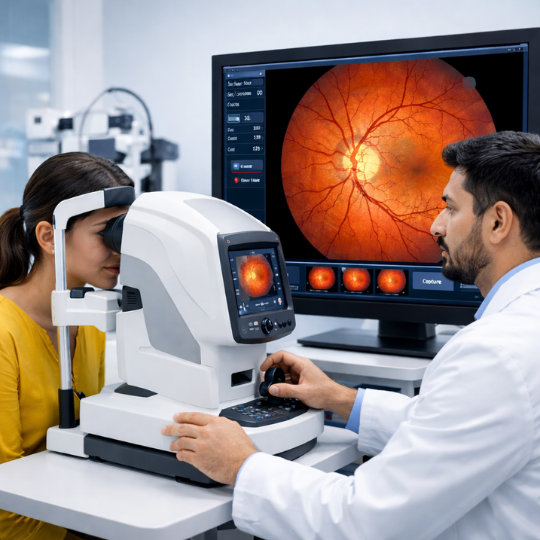
A detailed eye examination using advanced diagnostic tools is essential to confirm eligibility. This is where experienced surgeons and modern equipment make a real difference.
Who Should Avoid LASIK Surgery
Medical Conditions and Risk Factors
While LASIK is safe for most people, there are certain conditions where it may not be recommended. A responsible eye hospital will always prioritize patient safety over performing the procedure.
You may not be a suitable candidate if you have:
- Thin or irregular corneas
- Severe dry eye syndrome
- Autoimmune disorders
- Uncontrolled diabetes
- Keratoconus or corneal diseases
- Pregnancy or breastfeeding (due to hormonal changes)
In such cases, alternative procedures like PRK or ICL (Implantable Collamer Lens) may be suggested.
It’s important to understand that being advised against LASIK is not a rejection—it’s a sign that the doctor is making a decision in your best interest. That’s exactly the kind of ethical approach you should look for when choosing the best LASIK eye surgery provider.
Step-by-Step LASIK Procedure
What Happens During Surgery
If you’ve never had eye surgery before, it’s natural to feel a bit nervous. But understanding the process can make it far less intimidating.
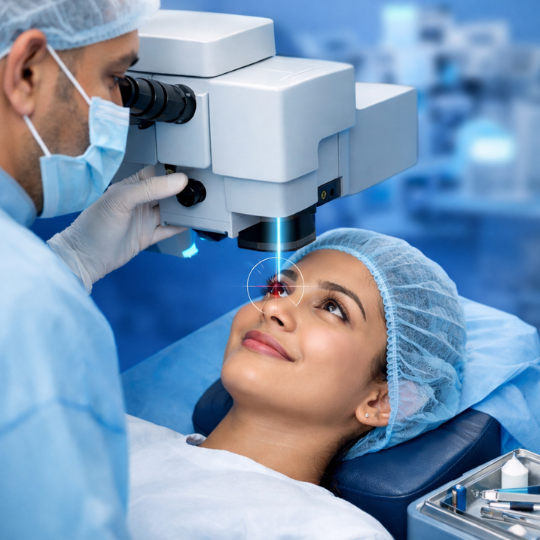
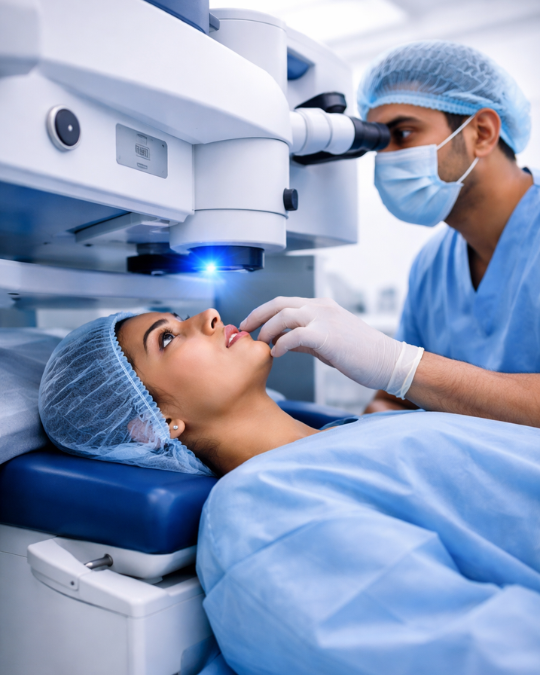
The LASIK procedure typically takes 10–15 minutes for both eyes and is completely painless due to numbing eye drops.
Here’s what happens:
- You lie down comfortably while the surgeon prepares your eyes.
- A femtosecond laser creates a thin corneal flap (in bladeless LASIK).
- The flap is gently lifted.
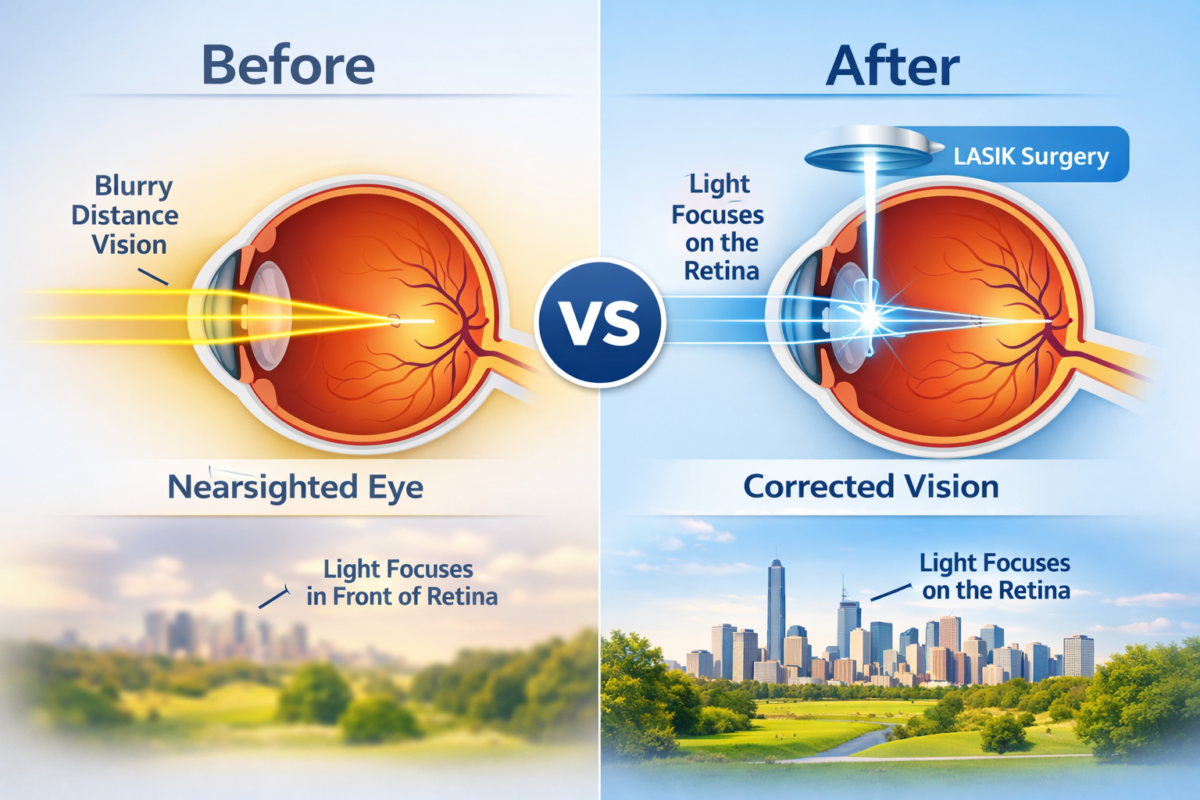
- An excimer laser reshapes the cornea to correct your vision.
- The flap is repositioned, where it naturally adheres without stitches.
Patients often notice improved vision within a few hours. The entire experience is quick, precise, and surprisingly comfortable.
LASIK Recovery Timeline
First 24 Hours to 3 Months
Recovery is one of the biggest advantages of modern LASIK procedures. Most patients are pleasantly surprised by how quickly they can return to normal activities.
- First 24 Hours: Mild irritation, watering, and blurred vision. Rest is essential.
- 1 Week: Vision stabilizes significantly. Most daily activities can resume.
- 1 Month: Clear, consistent vision with minimal dryness.
- 3 Months: Full healing and optimal visual outcome.
Following post-operative care instructions is crucial for achieving the best results.
Cost of LASIK in India
Pricing Comparison Table
| LASIK Type | Average Cost (Both Eyes) |
|---|---|
| Standard LASIK | ₹40,000 – ₹70,000 |
| Femto LASIK | ₹80,000 – ₹1,20,000 |
| Contoura Vision | ₹95,000 – ₹1,50,000 |
| SMILE Pro | ₹1,20,000 – ₹1,80,000 |
While it may be tempting to choose the lowest price, remember that LASIK is a once-in-a-lifetime procedure for your eyes. Investing in experienced surgeons and advanced technology often leads to better safety and outcomes.
Why Choosing the Right Eye Hospital Matters
What Sets a Trusted Hospital Apart
The difference between an average and the best LASIK eye surgery experience often comes down to the hospital you choose.
Look for:
- Highly experienced surgeons
- Advanced technology (Zeiss, Alcon)
- Strict sterilization protocols
- Transparent consultation process
- High patient satisfaction rates
A trusted hospital focuses not just on performing surgery, but on delivering long-term visual satisfaction.
Conclusion
Choosing the best LASIK eye surgery is about more than just cost or convenience. It’s about trusting the right experts, using the best technology, and ensuring your safety at every step. With the right decision, you can enjoy a life free from glasses and contact lenses—clearly and confidently.
Author Details:
Dr. Sushruth Appajigowda holds a prominent position as a Cornea, Cataract, Glaucoma, and LASIK Surgeon in Bangalore. He serves as the chief Cataract and Refractive surgeon at Vijaya Nethralaya Eye Hospital, Nagarbhavi Bangalore. Renowned as one of the finest LASIK surgeons nationwide, he brings with him over 12+ years of experience across multiple LASIK platforms, including ZEISS, ALCON, SCHWIND, AMO, and Bausch and Lomb. Having successfully conducted over 5000 LASIK procedures, Dr. Sushruth holds the title of a Certified Refractive Surgeon and a Fellow of the All India Collegium Of Ophthalmology. Furthermore, he stands as a distinguished speaker at various National and International Forums, using his expertise to guide you in selecting the most suitable procedure based on your health requirements.
http://vijayanethralaya.com/link-in-bio/
FAQs
What makes a LASIK surgeon the best?
Experience, number of surgeries performed, patient outcomes, and use of advanced technology.
Is LASIK permanent?
Yes, LASIK permanently reshapes the cornea, though age-related changes may still occur.
What is the success rate of LASIK?
Typically between 95% and 99%, depending on technology and patient condition.
Who is not eligible for LASIK?
People with thin corneas, severe dry eyes, or certain medical conditions.
Is LASIK painful?
No, the procedure is painless due to numbing drops.
How long do LASIK results last?
Results are long-lasting, often permanent, with minor age-related changes over time.