

Introduction:
Do you find yourself squinting at distant objects, relying on glasses or contact lenses just to see clearly? That’s nearsightedness, also called myopia, and it affects millions worldwide. While glasses and lenses help, they can be inconvenient. That’s where eye surgeries for nearsightedness come in—offering long-term vision correction.
Understanding Nearsightedness (Myopia):
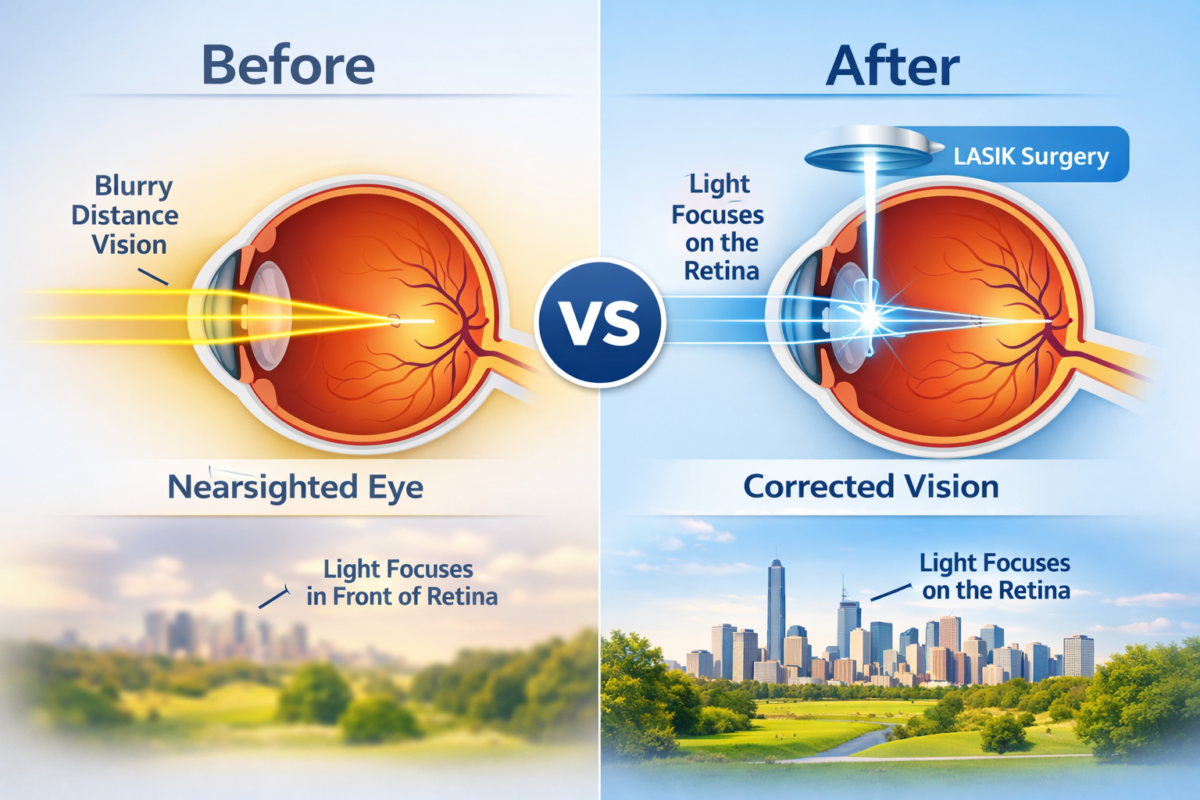
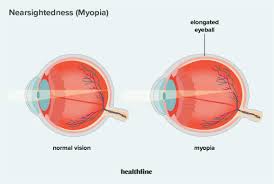
Nearsightedness happens when your eye shape causes light rays to bend incorrectly, focusing images in front of your retina instead of on it. This makes distant objects look blurry while close-up vision remains clear.
- Causes: Genetics, excessive screen time, and limited outdoor activity.
- Symptoms: Blurry distance vision, headaches, frequent squinting.
- Impact on life: Difficulty driving, watching TV, or recognizing faces from a distance.
Non-Surgical Options:
Before considering surgery, most people use:
- Glasses: Simple and safe, but inconvenient during sports or outdoor activities.
- Contact lenses: More freedom but can cause dryness or infections if not cared for properly.
So, why do many people shift to surgery? Because surgical procedures offer permanent or long-lasting correction without the daily hassle of lenses.
Types of Eye Surgeries for Nearsightedness:
There’s no single “best” surgery for everyone. It depends on your eye health, corneal thickness, degree of myopia, and lifestyle needs. Let’s break down the top options.
LASIK Surgery:
What is LASIK?
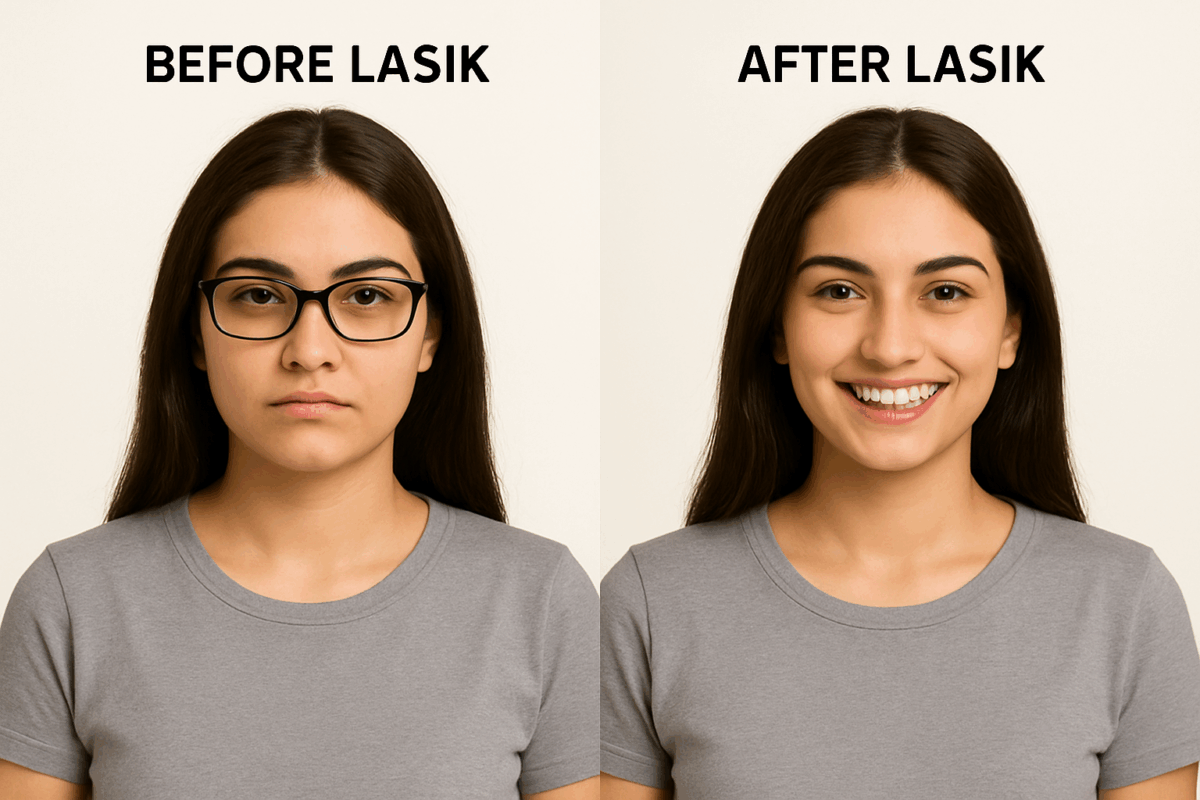
LASIK (Laser-Assisted In Situ Keratomileusis) is the most well-known eye surgery for nearsightedness.
How it Works
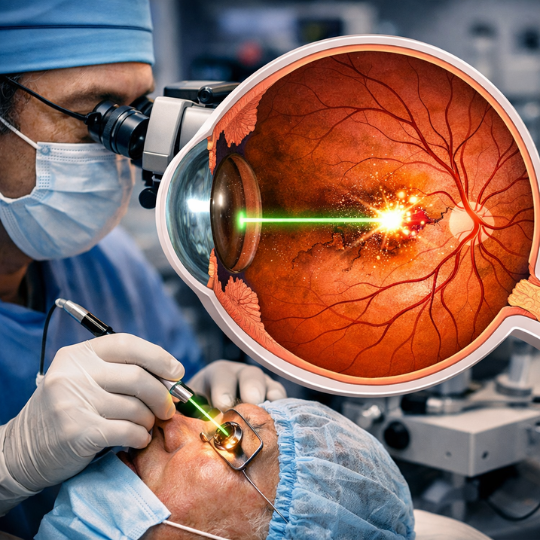
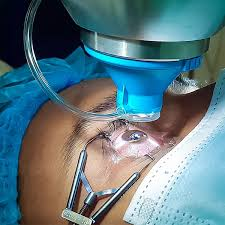
A surgeon creates a thin flap on the cornea, reshapes the underlying tissue with a laser, and repositions the flap.
Benefits
- Quick recovery (usually within 24–48 hours)
- Minimal pain
- Excellent long-term results
Risks
- Dry eyes
- Flap complications
- Not suitable for very high myopia
PRK (Photorefractive Keratectomy)
PRK was the first type of laser vision correction. Unlike LASIK, no flap is created. Instead, the outer layer of the cornea is removed and reshaped with a laser.
Pros
- Ideal for people with thin corneas
- No risk of flap complications
Cons
- Longer recovery (several weeks)
- Initial discomfort and blurred vision
SMILE (Small Incision Lenticule Extraction):
SMILE is a newer, minimally invasive procedure that uses a laser to create a small lens-shaped piece of corneal tissue, which is then removed through a tiny incision.
Advantages
- Smaller incision compared to LASIK
- Less dry eye risk
- Suitable for active lifestyles and sports
Ideal Candidates
- Patients with mild to moderate myopia
- Those who want a quicker recovery than PRK but safer than LASIK
ICL (Implantable Collamer Lens) Surgery:
For people with very high myopia or unsuitable corneas, ICL is an excellent option.
How it Works
A biocompatible lens is implanted inside the eye, in front of the natural lens.
Benefits
- Corrects very high prescriptions
- Reversible procedure
- Doesn’t alter the corneal structure
Risks
- Slight risk of cataracts or glaucoma
- Higher cost compared to LASIK
LASEK Surgery
LASEK is a mix of LASIK and PRK. The surface layer of the cornea is loosened with alcohol, reshaped with a laser, and repositioned.
- Advantages: Safer for thin corneas than LASIK
- Drawbacks: Longer healing like PRK
Comparing LASIK, PRK, SMILE, and ICL:
| Surgery | Best For | Recovery | Cost | Key Benefit |
|---|---|---|---|---|
| LASIK | Mild–moderate myopia | 1–2 days | Moderate | Fast results |
| PRK | Thin corneas | 2–4 weeks | Lower | No flap needed |
| SMILE | Active lifestyles | 1 week | Moderate-high | Less dry eye |
| ICL | High myopia | 1–2 weeks | High | Reversible, for extreme cases |
Who is the Right Candidate for Eye Surgery?
General requirements:
- Age 18+
- Stable eye power for at least a year
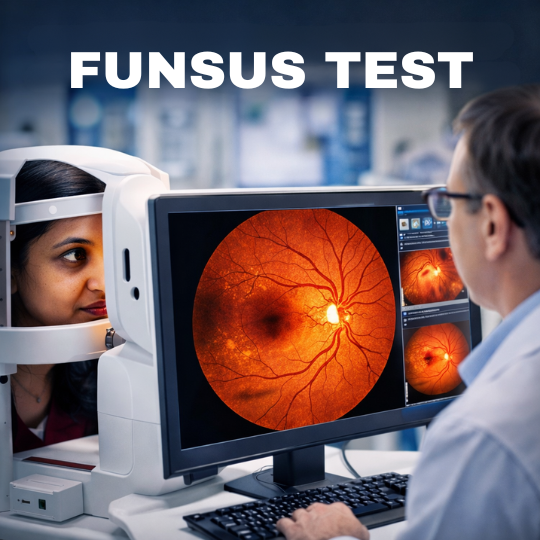
- Healthy eyes (no severe dry eye, infections, or uncontrolled glaucoma)
Not eligible if you have:
- Autoimmune diseases
- Extremely thin or irregular corneas
- Uncontrolled diabetes
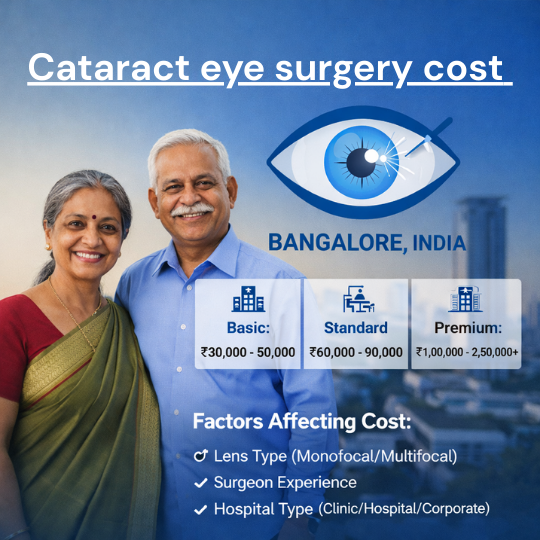
Cost of Nearsightedness Surgery
- LASIK: ₹40,000 – ₹80,000 (per pair of eyes in India)
- SMILE: ₹70,000 – ₹120,000
- PRK: ₹35,000 – ₹60,000
- ICL: ₹1,25,000 – ₹2,00,000
(Costs vary by hospital, surgeon expertise, and city.)
Recovery and Aftercare
- Avoid rubbing eyes for at least a month
- Wear protective sunglasses outdoors
- Use prescribed eye drops regularly
- Follow-up visits are crucial
Most patients return to normal life within a few days (LASIK/SMILE) or weeks (PRK/ICL).
Future of Eye Surgery for Nearsightedness
With AI-guided lasers, 3D imaging, and advanced lens implants, the future looks promising. Soon, surgeries may become even safer, quicker, and tailored to each eye’s unique structure.
Conclusion:
So, what’s the best eye surgery for nearsightedness? It depends:
- Mild–moderate myopia: LASIK or SMILE
- Thin corneas: PRK or LASEK
- High myopia: ICL
The “best” option is the one that matches your eyes, lifestyle, and budget. Always consult a qualified eye surgeon before making a decision.
FAQs:
1. Is LASIK better than SMILE?
LASIK gives faster recovery, while SMILE is gentler on the eyes with fewer dry eye issues.
2. How long do results last?
Most surgeries offer permanent results, though age-related vision changes may still occur.
3. Can myopia return after surgery?
In rare cases, slight regression can happen, especially with very high myopia.
4. Is eye surgery painful?
No, surgeries are done under numbing drops. You may feel mild discomfort during recovery.
5. Which surgery is safest for high myopia?
ICL is usually the safest for very high prescriptions.