
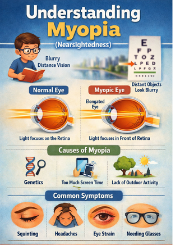
Understanding Myopia and Its Impact on Vision Myopia,
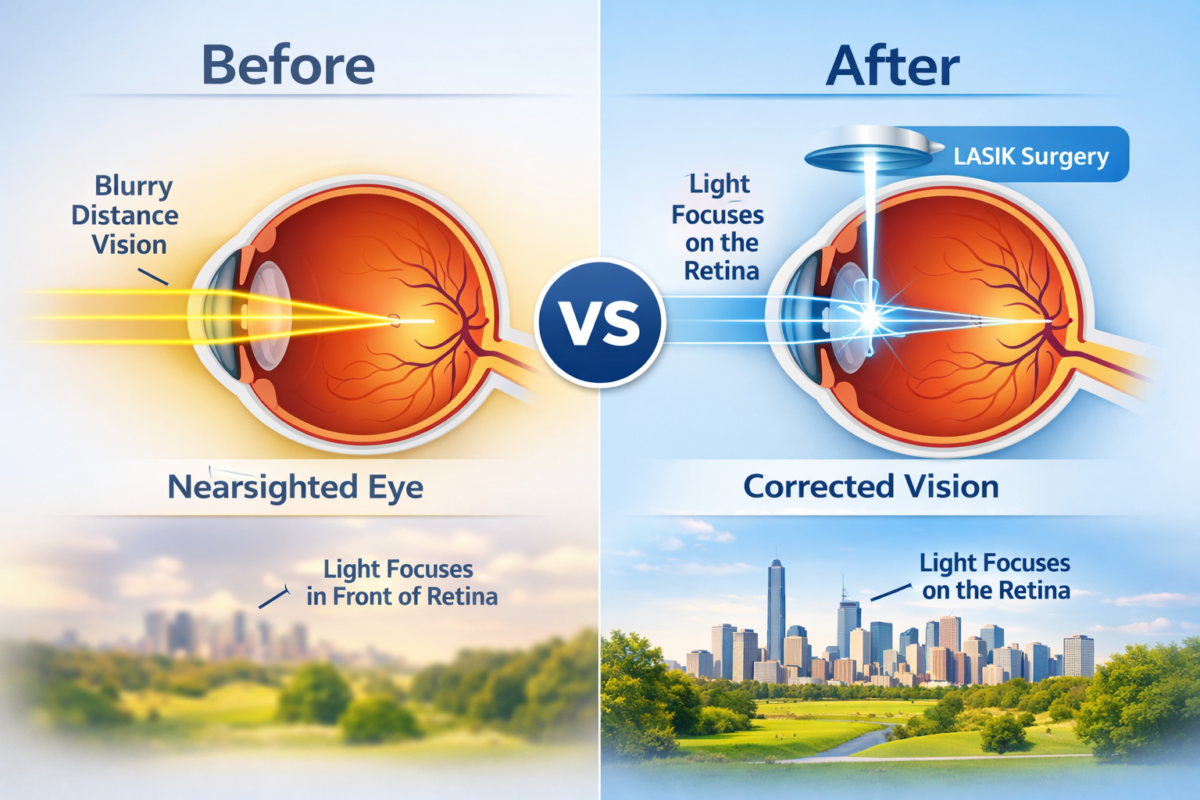
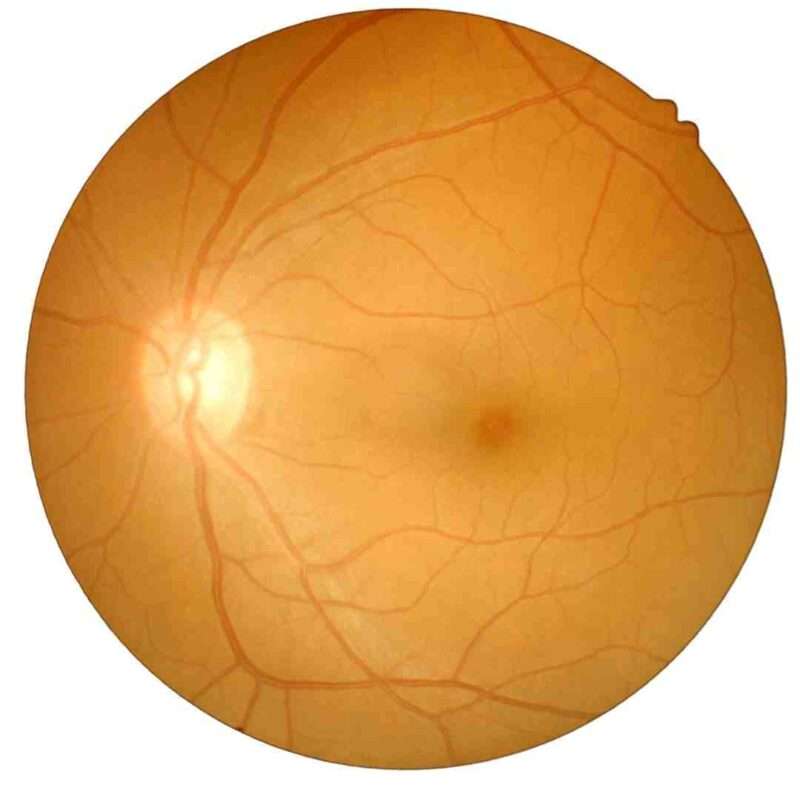
Often referred to as nearsightedness, it is a type of refractive error in which distant objects seem blurry, while close ones remain clear. It is a result of the eyeball being longer than normal or the cornea being more curved. The light, therefore, focuses in front of the retina instead of directly on it. Myopia can become more severe gradually, and the case is typical in children and young adults. What is worse, the risk of retinal detachment, glaucoma, and cataracts rises along with high myopia. That is the main reason why many patients opt for the best eye surgery for myopia to regain visual freedom for the long term and lessen their dependence on glasses or contact lenses.
Why Choosing the Best Eye Surgery for Myopia Matters
The choice of the best eye surgery for myopia goes beyond the aspect of vision clarity. It is also about the patient’s safety, precision, and results that last. The surgical method chosen well enough, indeed, enhances the patient’s quality of life, elevates self-esteem, and makes the individual feel ‘free’ of the daily need for visual aids. The ideal intervention, thus, lowers the chances of complications, promotes faster recovery, and brings about stable vision results. State-of-the-art diagnostic devices and seasoned surgeons are indispensable in arriving at the best surgical solution for every patient.
Types of Eye Surgery for Myopia
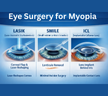
Contemporary ophthalmology embraces multiple cutting-edge methods. These techniques address various eye conditions, different corneal thicknesses, and lifestyle factors.
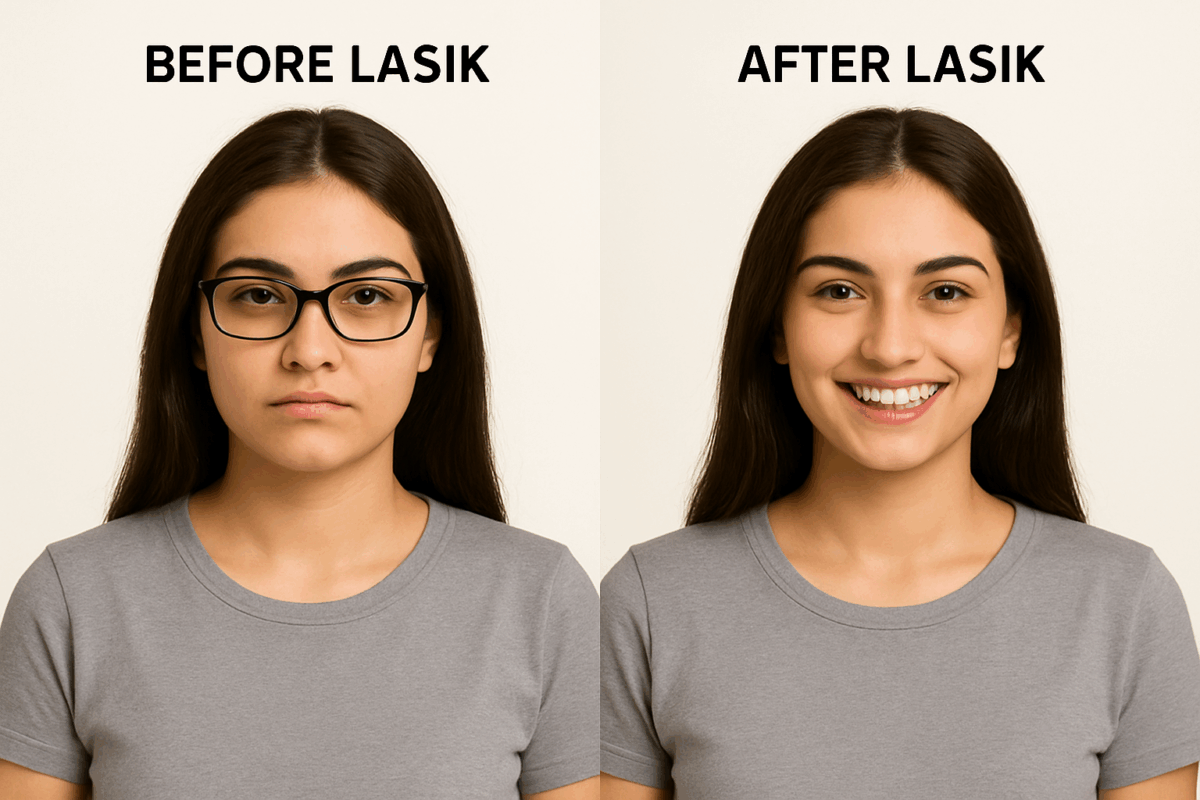
LASIK Surgery for Myopia
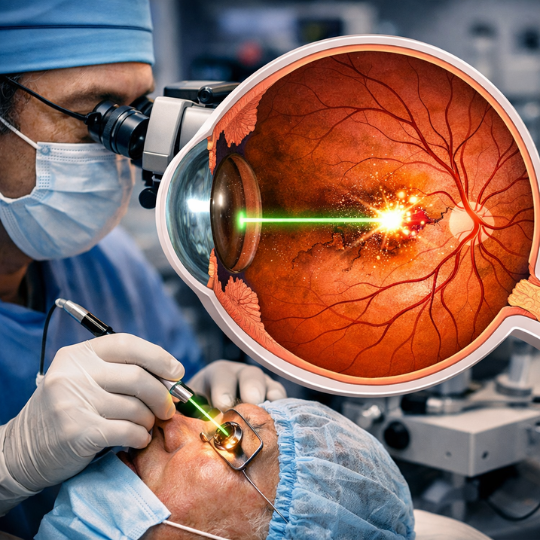
Almost on a global scale, LASIK is the top choice in eye surgeries. This method uses an excimer laser to reshape the cornea, thereby rectifying the refractive errors. Under certain circumstances, one may regard LASIK as the best eye surgery for myopia, namely for those with sufficient corneal thickness.
Key advantages:
Painless and quick operation Vision brightens up to 24 hours. Minimal time off work.
Femto LASIK Advanced Laser Precision
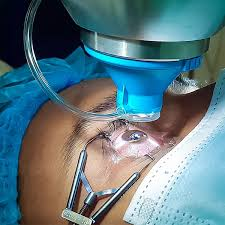
Instead of a blade, a femtosecond laser is used in Femto LASIK to cut the corneal flap. This blade-free technique elevates both the precision and the safety of the procedure. It is commonly considered the best eye surgery for myopia for patients demanding more exactness and better results.
SMILE Eye Surgery
SMILE is a short intervention strategy. A small lenticule obtained through a tiny incision is removed, reshaping the cornea without the need for a flap. Some of the advantages: Fast recovery Low risk of dry eye. The cornea becomes stronger
PRK (Photorefractive Keratectomy)
In thin cornea cases, PRK is the perfect solution. The surface layer is removed, after which the laser treatment is applied, without making a flap. Recovery takes longer, and PRK is still considered a safe alternative.
Though it takes longer for the eye to heal, PRK remains a dependable choice and is sometimes the best eye surgery for myopia in cases that are unusual.
ICL (Implantable Collamer Lens)
ICL is a good option for very nearsighted people or those who cannot undergo laser surgery. A lens made of a material compatible with the body is put in the eye without taking out the natural one. The method gives perfect vision and is reversible.
How Doctors Decide the Best Eye Surgery for Myopia
Choosing the best eye surgery for myopia involves carefully evaluating several clinical factors. These include the patient’s age and lifestyle, the degree of myopia, corneal thickness, overall eye health and stability, and specific occupational visual needs. In addition, surgeons rely on precision corneal mapping and wavefront analysis to accurately assess the eyes and recommend the most effective and personalized treatment plan.
Benefits of Choosing the Best Eye Surgery for Myopia
Selecting the best eye surgery for myopia brings along several benefits in the long run:
Patients experience crystal-clear vision, enjoy freedom from glasses and contact lenses, and gain a significant confidence boost. They lead a more lively, unrestricted life and save money over time. After the operation, most patients feel highly satisfied with their productivity and overall quality of life.
Pre-Surgery Evaluation and Preparation
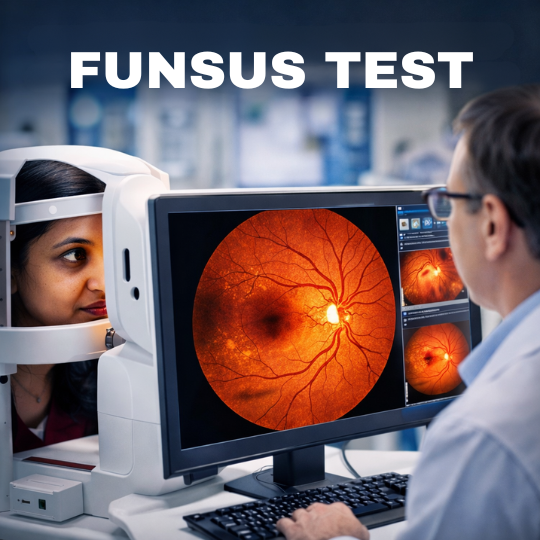
Doctors conduct detailed eye examinations before surgery, including visual acuity tests, corneal topography, retinal evaluation, and tear film analysis. To ensure accurate results, they may instruct patients to stop wearing contact lenses for a specific period before the evaluation.
Step-by-Step Procedure Overview
Typical steps involved in the best eye surgery for myopia are the application of numbing eye drops and laser- or lens-based correction. Procedure duration of 1015 minutes, Immediate post-surgery observation Most people are discharged on the same day.
Recovery, Healing, and Aftercare
The recovery period depends on the type of surgery performed. Patients of LASIK and SMILE are usually able to return to their normal activities within 12 days. Aftercare is a combination of:, Prescribed eye drops, Not rubbing the eyes, Wearing protective eyewear, Follow-up visits Strict adherence to the regimens ensures that the healing process goes smoothly and the results are long-lasting.
Risks and Safety Considerations
Although modern techniques are very safe, a few minor risks that can come along with them are dry eyes, glare, or temporary discomfort. Taking the decision to go for experienced surgeons and advanced technology will lessen the probability of complications. This is the main reason why choosing the best eye surgery for myopia at a reputable hospital is necessary.
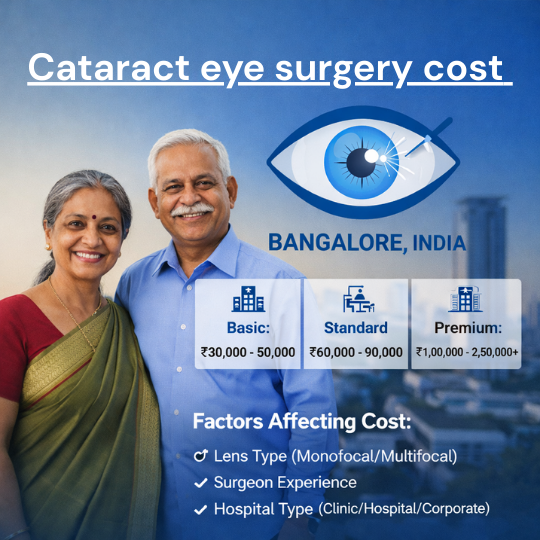
Cost of the Best Eye Surgery for Myopia in India
The technology used, the surgeon’s expertise, and the hospital’s infrastructure influence the cost. Although advanced procedures such as Femto LASIK or SMILE cost more, they generally provide greater safety and comfort. In fact, the long-term advantages usually make the initial expenditure worth it.
Why Choose Vijayanethralaya Super Speciality Eye Hospital
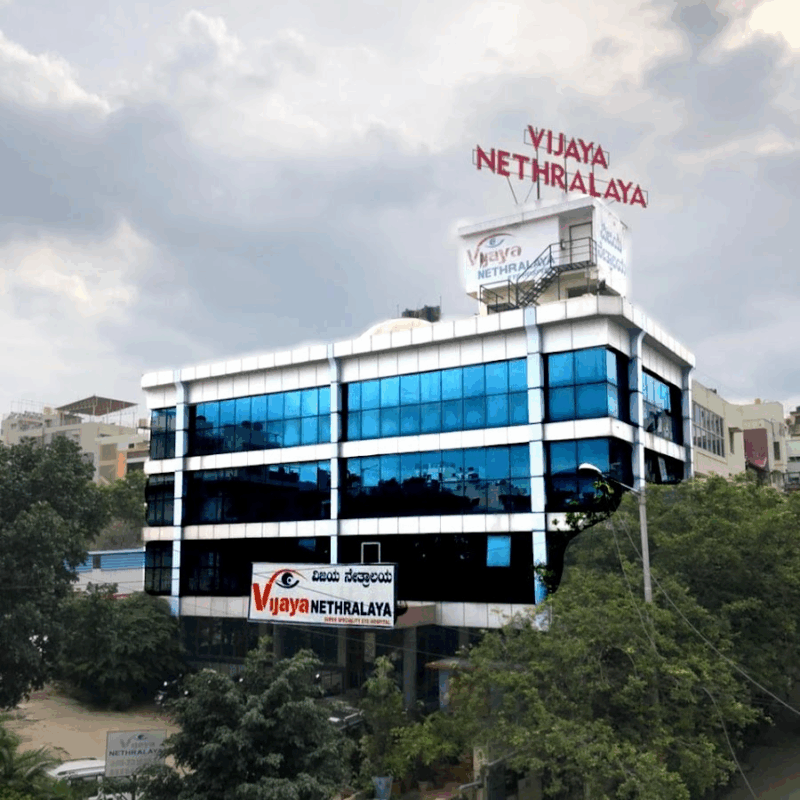
Vijayanethralaya Super Speciality Eye Hospital is a top-tier eye care provider, equipped with the latest technology and a team of experienced ophthalmologists. Some of the key strengths are: Experienced refractive surgeons State-of-the-art diagnostic and laser systems Customized treatment plans Superior patient care and strict safety protocols Patients looking for the best eye surgery for myopia are at Vijayanethralaya Super Speciality Eye Hospital. They consistently deliver results that change lives.
Frequently Asked Questions (FAQs)
1. What is the best eye surgery for myopia? Individual eye conditions determine the answer. LASIK, SMILE, and ICL are three of the best options.
2. Is eye surgery for myopia permanent? Yes, as long as the eyes are stable, the results are permanent.
3. Is the procedure painful? Not at all. Numbing drops are used to make sure that the patient feels no pain.
4. How soon can I return to work? Most patients are able to return to work within 1 to 3 days.
5. Is surgery safe for high myopia? Yes, for instance, the ICL procedure is specifically intended for high myopia cases.
6. Why choose Vijayanethralaya Super Speciality Eye Hospital? For its expertise, state-of-the-art technology, and reliable success rates.
Conclusion
Choosing the best eye surgery for myopia is a pivotal moment that brings the power, the clarity, and the confidence that the patient lacked before. Thanks to advanced surgical options and expert guidance, patients can enjoy excellent visual outcomes in a safe and effective way. If you are a patient in need of reliable care, Vijayanethralaya Super Speciality Eye Hospital is a place where you will receive accurate eye surgery and heartfelt care.