
Introduction to LASIK Eye Surgery
What is LASIK Eye Surgery?
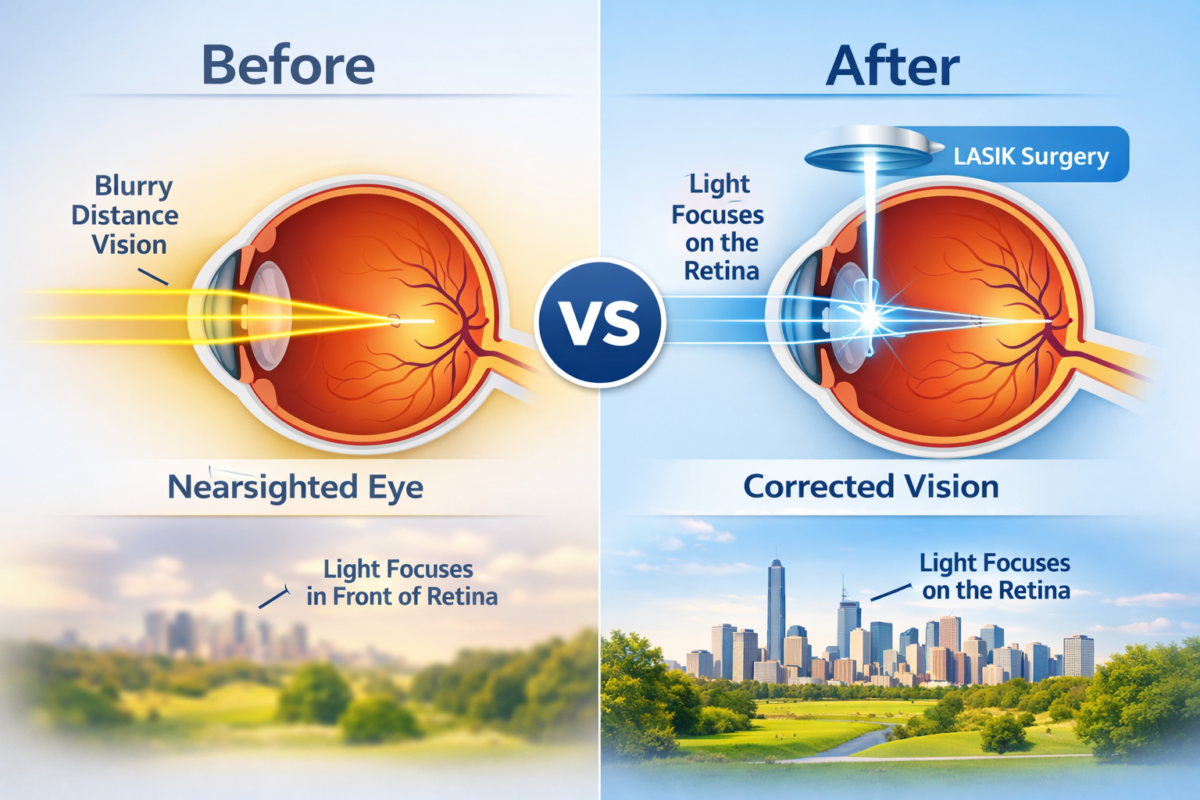
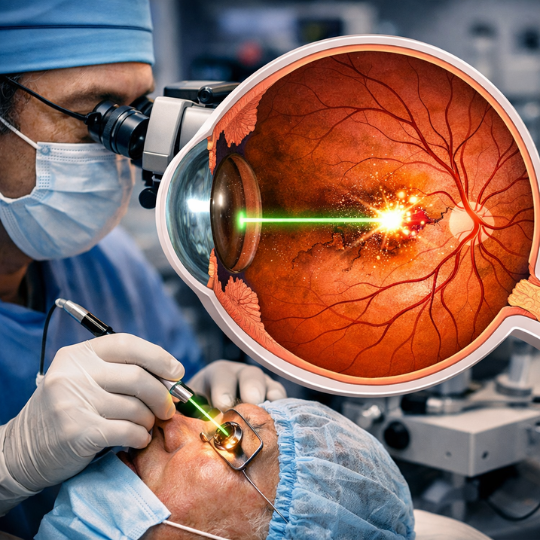
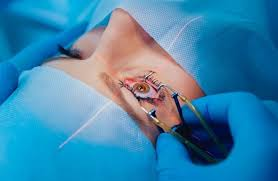
LASIK (Laser-Assisted in Situ Keratomileusis) is a highly advanced laser procedure designed to correct common refractive vision problems like nearsightedness (myopia), farsightedness (hyperopia), and astigmatism. By reshaping the cornea with precision lasers, LASIK allows light entering the eye to focus properly on the retina, resulting in clearer vision.
How Does LASIK Work?
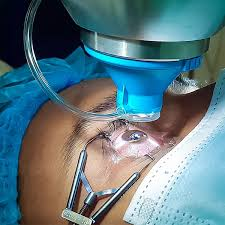
The procedure involves creating a thin flap in the cornea, lifting it, and then using a laser to reshape the underlying corneal tissue. Once the cornea is reshaped, the flap is replaced, and the eye begins to heal almost immediately. Most patients experience dramatic improvements in vision within 24–48 hours.
Who is an Ideal Candidate for LASIK?
LASIK is typically recommended for adults over 18 who have a stable vision prescription for at least one year. Ideal candidates should also have healthy corneas, no severe eye conditions, and realistic expectations of the results.
Key Benefits of LASIK Eye Surgery
Improved Vision Without Glasses or Contacts
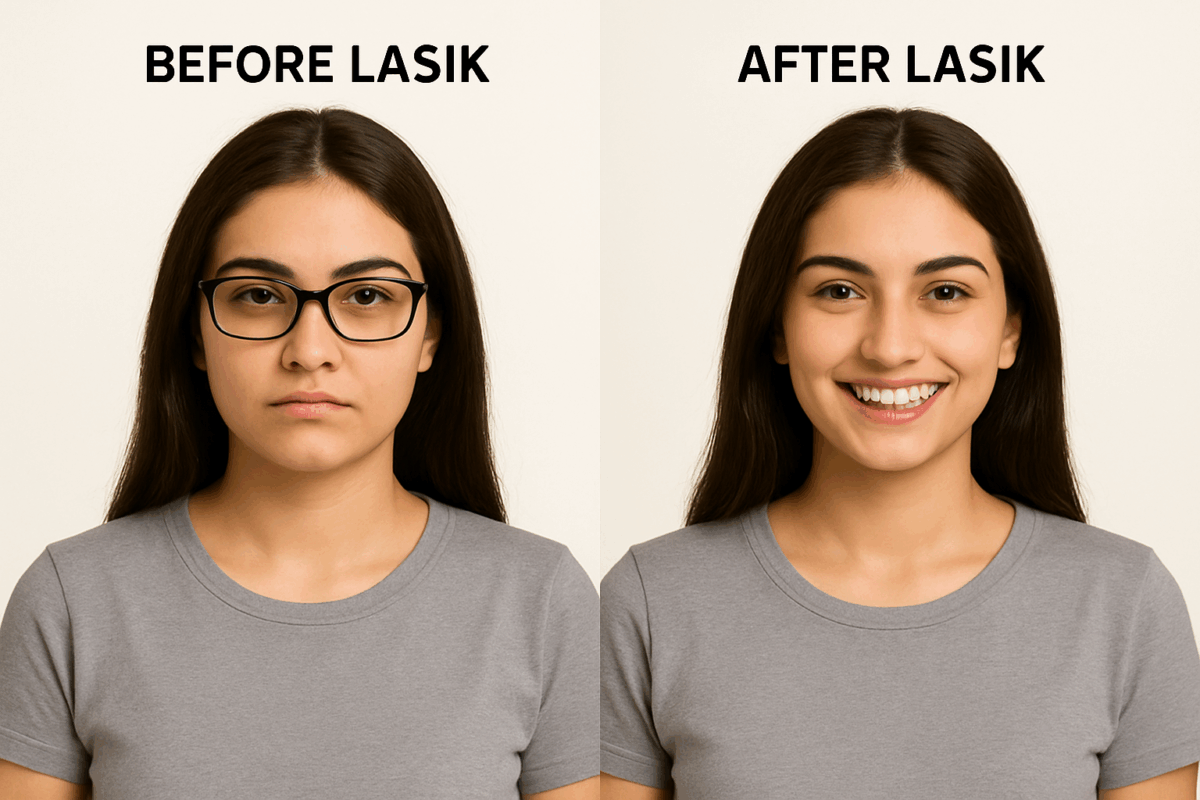
The most obvious advantage of LASIK is clear, sharp vision without relying on external aids. Most patients achieve 20/20 vision or better after the procedure, making glasses and contact lenses unnecessary in daily life.
Quick and Painless Procedure
Unlike traditional surgeries, LASIK is fast and nearly painless. The actual laser treatment often takes less than 10 minutes per eye, and numbing eye drops ensure comfort throughout the procedure.
Fast Recovery and Minimal Downtime
Patients typically notice improved vision almost immediately, with full recovery occurring within a few days. Many return to work or daily activities within 24–48 hours after surgery.
Long-Lasting Results
LASIK provides permanent vision correction for most people. While natural age-related changes like presbyopia may occur later in life, the improvements from LASIK often last a lifetime.
Enhanced Lifestyle and Daily Convenience
No more searching for lost glasses or dealing with the hassle of cleaning contact lenses. LASIK offers unmatched freedom and convenience, simplifying everyday life.
Cost Savings Over Time Compared to Glasses/Contacts
While LASIK may seem like a big investment upfront, it can save thousands of dollars in the long run by eliminating the ongoing costs of prescription eyewear, lens solutions, and eye exams.
Boost in Self-Confidence
Clear vision without glasses often boosts self-esteem, helping people feel more comfortable in social situations, work environments, and personal interactions.
Health and Safety Benefits of LASIK
Reduced Risk of Eye Infections from Contact Lenses
Wearing contact lenses daily increases the risk of eye infections, dryness, and corneal damage, especially if lenses aren’t cleaned properly. LASIK eliminates this risk since you’ll no longer rely on contacts, giving your eyes a healthier environment.
Precision and Safety of Modern LASIK Technology
Thanks to advancements in laser technology, LASIK today is safer and more precise than ever. Wavefront-guided technology customizes the procedure to each patient’s eye, minimizing complications and enhancing results.
Lower Dependency on Corrective Lenses
Even if some patients still require glasses for specific tasks like night driving or reading later in life, their dependence on corrective lenses dramatically decreases after LASIK. This balance of freedom and flexibility is one of the biggest health benefits.
Lifestyle Benefits of LASIK Eye Surgery
Freedom During Sports and Outdoor Activities
For athletes, swimmers, and outdoor enthusiasts, glasses and contacts can be limiting. LASIK offers the freedom to enjoy activities without worrying about eyewear slipping, breaking, or drying out in the wind.
Easier Travel Without Glasses or Contacts
Travelers often struggle with packing extra glasses, solutions, and lenses. With LASIK, you can travel light and worry-free, making vacations and business trips more convenient.
Clearer Night Vision with Advanced LASIK Techniques
While older LASIK methods sometimes caused glare or halos at night, advanced technology has significantly improved outcomes. Many patients now report sharper, clearer night vision after surgery, especially with customized laser treatments.

Potential Risks and Considerations
Possible Side Effects After LASIK
Like any medical procedure, LASIK isn’t entirely risk-free. Some patients may experience temporary dry eyes, glare, or light sensitivity. However, these side effects often resolve within a few weeks to months.
Who Should Avoid LASIK Surgery?
LASIK may not be suitable for individuals with thin corneas, uncontrolled diabetes, autoimmune disorders, or severe eye conditions like glaucoma or cataracts. A thorough eye exam is essential to determine candidacy.
LASIK vs. Other Vision Correction Procedures
LASIK vs. PRK (Photorefractive Keratectomy)
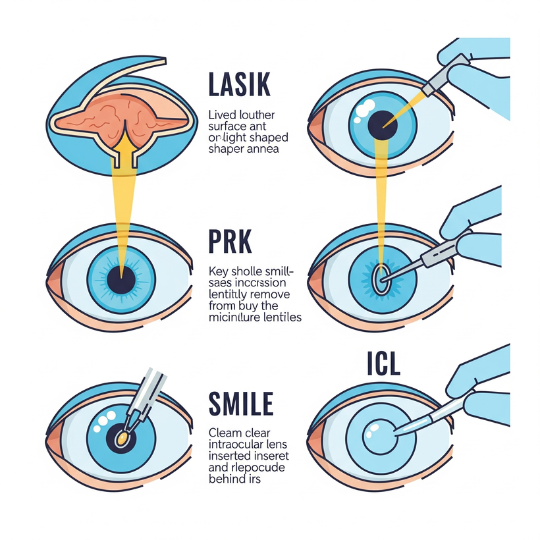
PRK was the predecessor to LASIK and is still performed today. While PRK doesn’t involve creating a corneal flap, recovery takes longer compared to LASIK. However, it’s often recommended for patients with thinner corneas.
LASIK vs. SMILE Surgery
SMILE (Small Incision Lenticule Extraction) is a newer, minimally invasive laser procedure. It involves a smaller incision than LASIK but may not correct a wide range of vision issues. LASIK still remains more versatile.
LASIK vs. Implantable Contact Lenses (ICL)
Unlike LASIK, which reshapes the cornea, ICL involves implanting a lens inside the eye. It’s a good option for patients who aren’t suitable for LASIK, but it’s more invasive and costly.
Conclusion: Why LASIK is a Life-Changing Choice
The benefits of LASIK eye surgery go far beyond just clear vision. From greater freedom in daily activities to cost savings and boosted confidence, LASIK offers life-changing improvements for millions worldwide. Modern technology has made the procedure safer, faster, and more effective than ever before.
If you’re tired of the constant hassle of glasses or contact lenses, LASIK could be the transformative solution you’ve been waiting for. Always consult with an experienced ophthalmologist to determine if you’re a good candidate, and take the first step toward a clearer, more confident future.
FAQs About LASIK Eye Surgery
How long do LASIK results last?
For most patients, LASIK results are permanent. However, age-related vision changes such as presbyopia may still occur later in life.
Is LASIK painful?
No. The procedure is virtually painless thanks to numbing eye drops. Some patients may feel mild pressure during surgery and slight irritation afterward.
Can LASIK fix astigmatism?
Yes. Modern LASIK technology effectively corrects astigmatism, along with nearsightedness and farsightedness.
What is the success rate of LASIK?
Studies show that over 96% of patients achieve 20/20 vision or better after LASIK, making it one of the most successful elective procedures worldwide.
What is the average cost of LASIK surgery?
The cost typically ranges between $2,000 and $3,500 per eye in the United States, depending on the technology and surgeon’s expertise. While expensive upfront, it saves money long-term compared to glasses and contacts.
At what age is LASIK recommended?
LASIK is generally recommended for adults 18 and older with a stable prescription. Most patients choose LASIK in their 20s or 30s, but it can be performed later in life depending on eye health.