
Introduction to Avastin
What is Avastin?
Avastin, also known by its generic name, bevacizumab, is a drug originally designed to treat cancer by blocking the growth of blood vessels in tumors. Interestingly, ophthalmologists discovered its powerful ability to block abnormal blood vessel growth in the eye—making it a game-changer for treating retinal diseases.
How Does It Work?
Avastin works by blocking VEGF (vascular endothelial growth factor), a protein that encourages new, often harmful blood vessels to grow. When too many of these vessels grow in your retina, they leak fluid and blood, leading to vision loss. Avastin stops this process and helps maintain your vision.
Why Is It Used in Eye Care?
Though not originally developed for eyes, Avastin is now widely used off-label in ophthalmology to treat diseases that threaten central vision. It’s effective, relatively low-cost, and widely available, which makes it a preferred choice for many patients and doctors.

Medical Conditions Treated with Avastin
Wet Age-Related Macular Degeneration (Wet AMD)
One of the leading causes of vision loss in older adults, wet AMD causes blood vessels to grow under the retina and leak. Avastin helps halt this process and preserve vision.
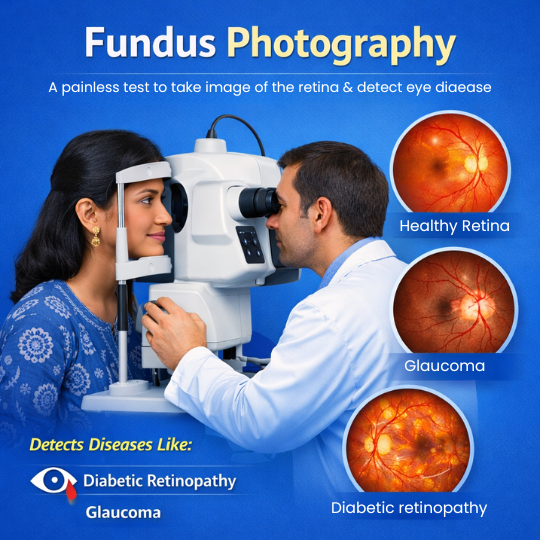
Diabetic Retinopathy and Diabetic Macular Edema
In diabetes, high blood sugar damages retinal blood vessels. Avastin helps reduce swelling (edema) and bleeding, improving or stabilizing sight.
Retinal Vein Occlusion
When a vein in the retina gets blocked, it causes sudden vision changes. Avastin reduces fluid buildup and damage.
Other Off-Label Uses in Ophthalmology
Avastin is also used for rarer conditions like neovascular glaucoma or retinopathy of prematurity (ROP) in infants, though with caution and under close supervision.

How Avastin Is Administered
Intravitreal Injection Procedure
It might sound scary, but the procedure is quick and mostly painless. After numbing your eye, your ophthalmologist injects a tiny dose of Avastin directly into the vitreous cavity—the jelly-like area in the middle of your eye.
What to Expect During the Treatment
It takes about 15 minutes, and you’re awake the whole time. You may feel mild pressure, but no sharp pain. Some patients see floaters or bubbles afterward, which disappear soon.
Aftercare and Follow-Up
You’ll be asked to rest your eyes for a day, avoid touching or rubbing them, and watch for signs of infection. Your doctor will likely schedule monthly follow-ups for assessment and future injections.

Benefits of Avastin Treatment
Vision Stabilization
Avastin doesn’t reverse vision loss that’s already occurred—but it can stop further damage. Many patients report stable or even slightly improved vision after starting treatment.
Slowing Down Disease Progression
It’s especially effective at halting disease progression, giving your eyes a fighting chance to maintain functional vision.
Cost-Effectiveness Compared to Alternatives
Here’s the best part—Avastin costs a fraction of Lucentis or Eylea while offering nearly identical results in many cases.
Risks and Side Effects
Common Side Effects
Mild irritation, redness, and a scratchy feeling in the eye are normal. These usually resolve in a day or two.
Rare But Serious Complications
Though rare, serious risks include
- Eye infection (endophthalmitis)
- Retinal detachment
- Eye pressure increase
Safety Tips and When to Call Your Doctor
Call your doctor if you experience:
- Severe pain
- Sudden vision loss
- Persistent redness or discharge
Avastin vs. Other Anti-VEGF Drugs
Avastin vs. Lucentis
Both work similarly, but Lucentis is FDA-approved for eye conditions, while Avastin is off-label. Lucentis is significantly more expensive.
Avastin vs. Eylea
Eylea may last longer between injections, but again, the cost is a big factor. Avastin offers a good balance of value and performance.
Cost, Efficacy, and Availability
Avastin remains the most affordable and widely used option worldwide, especially in countries like India where insurance coverage is limited.
Is Avastin Safe?
FDA Approval Status
Avastin is FDA-approved for cancer treatment but not for eye use. However, it’s used off-label legally and safely in ophthalmology.
Off-Label Use in Ophthalmology
Most leading eye institutes and retina specialists use Avastin confidently for its efficacy and affordability.
What the Research Says
Multiple studies show Avastin is just as effective as Lucentis for treating retinal diseases—with comparable safety outcomes.
Cost of Avastin Treatment
Price Per Injection
In India, Avastin costs around ₹1,500–₹2,500 per injection, depending on the hospital and region.
Insurance and Coverage
Some government schemes and private insurers may cover it partially. Always check in advance.
Affordable Care Options
Look for NGOs, trust hospitals, or government facilities offering Avastin at subsidized rates.
Preparing for Your Avastin Injection
Checklist Before Appointment
- Eat normally
- Take regular medications
- Don’t wear eye makeup
Things to Avoid
- Avoid driving yourself
- Avoid rubbing your eyes post-injection
Talking to Your Ophthalmologist
Ask about risks, injection frequency, and long-term outlook. Always be open about any allergies or medical conditions.
Long-Term Outlook
How Often You’ll Need Injections
Usually once a month initially, then less frequently as your condition stabilizes.
Is Avastin a Cure?
No, it’s a maintenance treatment—but it prevents things from getting worse.
Lifestyle Tips to Support Eye Health
- Control blood sugar and blood pressure
- Eat leafy greens and omega-3s
- Quit smoking
- Get regular eye checkups.
Conclusion
Avastin injections have revolutionized the way we treat serious eye conditions like wet AMD and diabetic eye disease. They offer an affordable, effective, and widely accessible solution that helps preserve vision and independence. While not without risks, Avastin remains a trusted ally for millions of people worldwide navigating life with retinal disease.
Author Details:
Dr. Sushruth Appajigowda holds a prominent position as a cornea, cataract, glaucoma, and LASIK surgeon in Bangalore. He serves as the chief cataract and refractive surgeon at Vijaya Nethralaya Eye Hospital, Nagarbhavi, Bangalore. Renowned as one of the finest LASIK surgeons nationwide, he brings with him over 12+ years of experience across multiple LASIK platforms, including ZEISS, ALCON, SCHWIND, AMO, and Bausch and Lomb. Having successfully conducted over 5000 LASIK procedures, Dr. Sushruth holds the title of a Certified Refractive Surgeon and a Fellow of the All India Collegium of Ophthalmology. Furthermore, he stands as a distinguished speaker at various national and international forums, using his expertise to guide you in selecting the most suitable procedure based on your health requirements.

http://vijayanethralaya.com/link-in-bio/
FAQs
1. Is Avastin painful?
Not really. Most patients feel mild pressure but not pain. Numbing drops are used to make the procedure comfortable.
2. How long does the effect of Avastin last?
It varies. Many patients need monthly injections initially, but the gap may increase based on your response.
3. Can I drive after an Avastin injection?
It’s best to arrange for someone to drive you, as your vision might be blurry or watery temporarily.
4. How many Avastin injections will I need?
It depends on your condition. Your doctor will monitor progress and decide the frequency.
5. What if I miss an Avastin appointment?
Contact your eye doctor as soon as possible to reschedule. Delaying treatment may worsen your condition.