
Myopia Control Treatment for Kids: How to Protect Your Child’s Vision
Myopia, commonly known as nearsightedness, is becoming increasingly common in children worldwide. If left unchecked, myopia can progress rapidly and may lead to serious eye conditions later in life. Fortunately, modern myopia control treatments can slow its progression and help children maintain healthy vision. In this article, we will explain what myopia is, why it progresses in children, and the latest treatments available, along with practical tips for parents.
What is Myopia in Children?
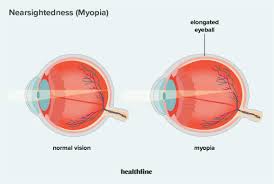
Myopia occurs when the eye grows too long, causing light to focus in front of the retina instead of directly on it. This makes distant objects appear blurry while near vision remains clear
Signs of myopia in children include
- Squinting while looking at distant objects
- Sitting very close to TV or digital devices
- Frequent headaches or eye rubbing
Early detection is crucial because myopia often worsens as children grow.

Why Myopia Progresses in Kids
Several factors contribute to myopia progression:
- Genetics: Children with one or both parents who are myopic have a higher risk.
- Lifestyle: Increased screen time, less outdoor activity, and reading at close distances contribute to worsening vision.
- Environment: Lack of exposure to natural sunlight has been linked to faster progression.
Myopia Control Treatments for Kids
Modern eye care offers several options to slow down myopia progression. Depending on the child’s age, lifestyle, and prescription, an eye doctor may recommend one or more of the following:
1. Orthokeratology (Ortho-K) Lenses:
- What it is: Specially designed rigid contact lenses worn overnight that reshape the cornea.
- Benefits: Slows down the progression of myopia while allowing clear vision during the day without glasses.
- Best for: Children who are active in sports or dislike wearing glasses.
2. Multifocal Contact Lenses:
- What it is: Soft contact lenses with multiple focus zones to reduce eye strain.
- Benefits: Can slow myopia progression while being comfortable for daily wear.
3. Atropine Eye Drops
- What it is: Low-dose eye drops applied once daily.
- Benefits: Proven to slow myopia progression in children significantly.
- Note: Regular monitoring by an eye doctor is essential.
4. Lifestyle and Behavioral Modifications
- Encourage outdoor play for at least 1–2 hours a day.
- Limit continuous screen time and close-up reading.
- Maintain proper lighting while studying or reading.
Frequently Asked Questions (FAQ):
Q1. At what age should my child be checked for myopia?
A1. Children should have their first comprehensive eye exam around age 3, and yearly exams are recommended if they are at risk or already have myopia.
Q2. Can myopia be reversed?
A2. While myopia cannot be permanently reversed, its progression can be slowed using treatments like Ortho-K lenses, multifocal contact lenses, or low-dose atropine drops.
Q3. Are myopia control treatments safe for kids?
A3. Yes. Treatments like low-dose atropine, Ortho-K, and multifocal lenses are FDA-approved and widely used with proper supervision by an eye care professional.
Q4. Can lifestyle changes alone stop myopia?
A4. Lifestyle changes, such as more outdoor activities and less screen time, can help slow progression but may not be sufficient for moderate to high myopia. Professional treatment is recommended in such cases.
Q5. How often should my child visit an eye specialist?
A5. Children with myopia should have eye exams every 6–12 months to monitor progression and adjust treatment as needed.