

Understanding Cataract and Its Impact on Vision
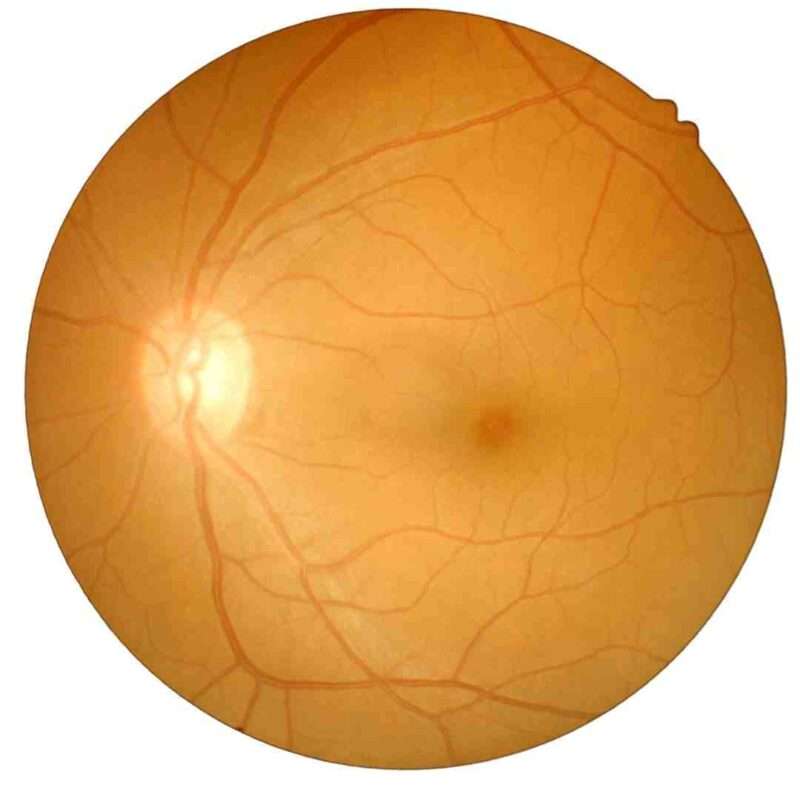
A cataract is one of the most common eye conditions, affecting millions of Indians every year. It occurs when the natural lens of the eye becomes cloudy, leading to blurry or dim vision. While age is the primary cause, cataracts can also result from diabetes, prolonged steroid use, eye injuries, or excessive UV exposure.
Cataracts usually develop slowly and painlessly, but as they progress, they begin to interfere with everyday activities such as reading, driving, or recognizing faces. In such cases, cataract surgery becomes essential to restore clear vision.
Common Symptoms and When to Consider Surgery
Some early signs of cataract development include:
- Blurred or cloudy vision
- Sensitivity to light and glare
- Faded colors or poor night vision
- Double vision in one eye
When these symptoms start impacting your quality of life, ophthalmologists often recommend cataract surgery—the only effective treatment to restore sight permanently.
Overview of Cataract Surgery in India
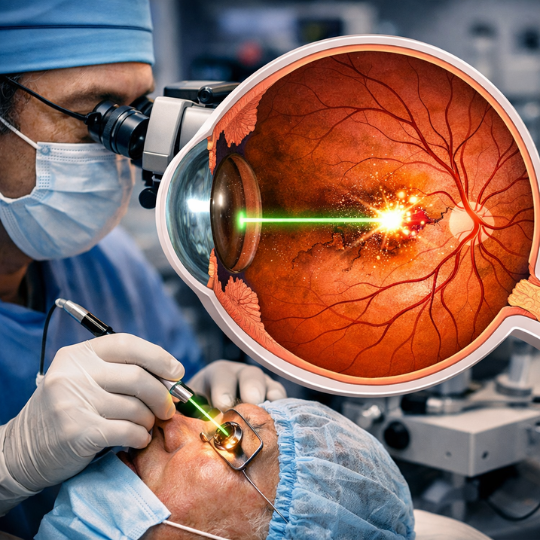
Cataract surgery in India has evolved dramatically over the past two decades. Today, most leading eye hospitals offer advanced, minimally invasive procedures with high safety profiles. The country is home to some of the best ophthalmic surgeons in Asia, using cutting-edge technologies like femtosecond laser-assisted cataract surgery (FLACS) and phacoemulsification.
The success rate of cataract surgeries in India is comparable to—and sometimes exceeds—that of developed countries, thanks to improved surgical techniques, sterile environments, and enhanced postoperative care.

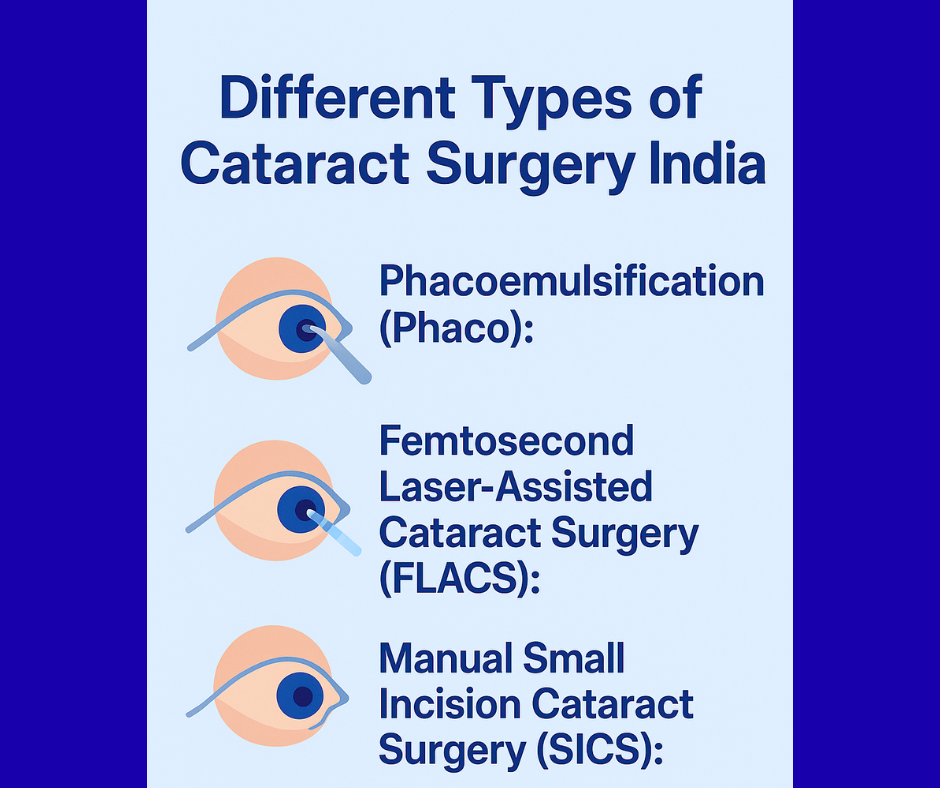
Different Types of Cataract Surgery in India
- Phacoemulsification (Phaco):
A modern, small-incision technique where ultrasound waves break the cataract into tiny fragments that are suctioned out. It’s the most common and highly successful procedure in India. - Femtosecond Laser-Assisted Cataract Surgery (FLACS):
This advanced, bladeless method uses a laser for precise incisions, resulting in quicker recovery and sharper visual outcomes. - Manual Small Incision Cataract Surgery (SICS):
A more affordable technique commonly used in rural or government hospitals. It’s safe and effective but may have slightly longer recovery times.
How Each Type Impacts Success Rate
| Type of Surgery | Average Success Rate | Recovery Time |
|---|---|---|
| Phacoemulsification | 98–99% | 1–2 weeks |
| FLACS | 99%+ | 3–5 days |
| Manual SICS | 96–98% | 2–3 weeks |
Cataract Surgery Success Rate in India (Key Statistics)
According to data published by the All India Ophthalmological Society (AIOS), the cataract surgery success rate in India ranges between 98% and 99%, depending on the type of surgery and the patient’s health condition.
Each year, over 6 million cataract surgeries are performed in India—making it one of the largest cataract programs in the world. Thanks to improved infrastructure and government-backed initiatives like the National Programme for Control of Blindness (NPCB), the rate of post-surgery complications has dropped to less than 1%.
Factors Influencing Success Rate
Several factors affect surgical outcomes, including:
- Surgeon expertise: Experienced ophthalmologists tend to achieve higher success rates.
- Technology: Laser-assisted systems offer greater precision.
- Patient health: Conditions like diabetes or glaucoma can affect results.
- Post-operative care: Proper follow-up and medication prevent infections and ensure long-term success.
Comparison with Other Countries
| Country | Average Success Rate | Average Cost (USD) |
|---|---|---|
| India | 98–99% | $300–$1200 |
| USA | 98–99% | $3500–$5000 |
| UK | 98% | $3500+ |
| Singapore | 99% | $2500+ |
India offers nearly identical success rates to Western countries at one-fifth the cost, making it a popular destination for medical tourism.
Leading Eye Hospitals in India for Cataract Surgery
- Vijaya Nethralaya Super Speciality Eye Hospital (Bangalore)
- Aravind Eye Hospital (Madurai, Chennai, Coimbatore)
- Sankara Nethralaya (Chennai)
- LV Prasad Eye Institute (Hyderabad)
- Dr. Agarwal’s Eye Hospital (Pan-India)
- Narayana Nethralaya (Bangalore)
These hospitals are internationally recognized for their research, technology, and patient outcomes.
Real Patient Testimonials and Outcomes
Most patients report immediate vision improvement within 24–48 hours post-surgery. Cases of complete recovery and restored 20/20 vision are common, particularly with advanced laser techniques.
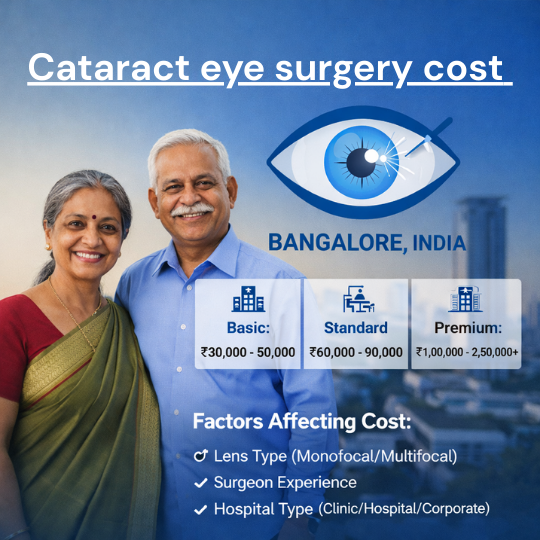
Cost of Cataract Surgery in India
| City | Average Cost (INR) | Type of Hospital |
|---|---|---|
| Delhi | ₹25,000 – ₹90,000 | Private/Premium |
| Mumbai | ₹30,000 – ₹100,000 | Private |
| Chennai | ₹20,000 – ₹70,000 | Trust / Corporate |
| Bangalore | ₹25,000 – ₹80,000 | Private |
| Government Hospitals | ₹5,000 – ₹15,000 | Subsidized |
Is Cataract Surgery Covered by Insurance in India?
Yes. Most health insurance plans and Ayushman Bharat Yojana cover cataract surgery. However, coverage limits and waiting periods vary, so it’s advisable to confirm with your insurer before scheduling surgery.
Risks and Complications After Cataract Surgery
Although rare, potential complications include:
- Mild infection or swelling
- Clouding of the lens capsule (posterior capsule opacification)
- Temporary light sensitivity
With proper care and medication, over 99% of patients recover without long-term issues.
Post-Surgery Recovery and Care Tips
- Avoid rubbing your eyes
- Wear protective sunglasses outdoors
- Use prescribed eye drops regularly
- Avoid swimming or makeup for 2–3 weeks
- Attend all follow-up appointments
Following these guidelines ensures a smooth recovery and excellent vision restoration.
How to Choose the Right Eye Surgeon in India
Look for these qualities before selecting your surgeon:
- Board certification and experience in advanced cataract techniques
- Positive patient reviews
- Use of modern equipment (phaco or femtosecond laser)
- NABH- or JCI-accredited hospital affiliation
Future of Cataract Surgery in India
India is fast embracing AI-powered diagnostics and robot-assisted eye surgeries. With continuous medical advancements and increasing awareness, cataract blindness is expected to reduce drastically in the coming decade.
Conclusion – Why India is a Global Hub for Successful Cataract Surgeries
India has become a global leader in cataract surgery, combining high success rates, skilled ophthalmologists, and affordable healthcare. Whether you’re a local patient or a medical tourist, choosing India for cataract surgery means receiving world-class treatment without financial strain.
FAQs About Cataract Surgery Success Rate in India
Q1. What is the average cataract surgery success rate in India?
It’s around 97–99%, depending on the patient’s age, eye health, and surgical method.
Q2. Is cataract surgery painful?
No, it’s virtually painless. Most patients experience only mild discomfort for a few hours post-surgery.
Q3. How long does recovery take?
Initial recovery occurs within 2–3 days, with complete healing in about 2–3 weeks.
Q4. Can cataracts return after surgery?
No, but a condition called posterior capsule opacification may occur, which can be easily treated with a quick laser procedure.
Q5. Is India safe for foreign patients seeking cataract surgery?
Absolutely. India’s hospitals maintain world-class hygiene, international accreditation, and English-speaking staff.
Q6. What’s the average cost for foreign patients?
For international patients, cataract surgery in India typically costs $300–$1200, depending on the hospital and lens type.