
Yes—retinal detachment is a medical emergency.
Delaying treatment can lead to permanent vision loss within hours to days.
If you or someone experiences sudden flashes, floaters, or a curtain-like shadow over vision, immediate consultation with a retina specialist is critical.
What Is Retinal Detachment?
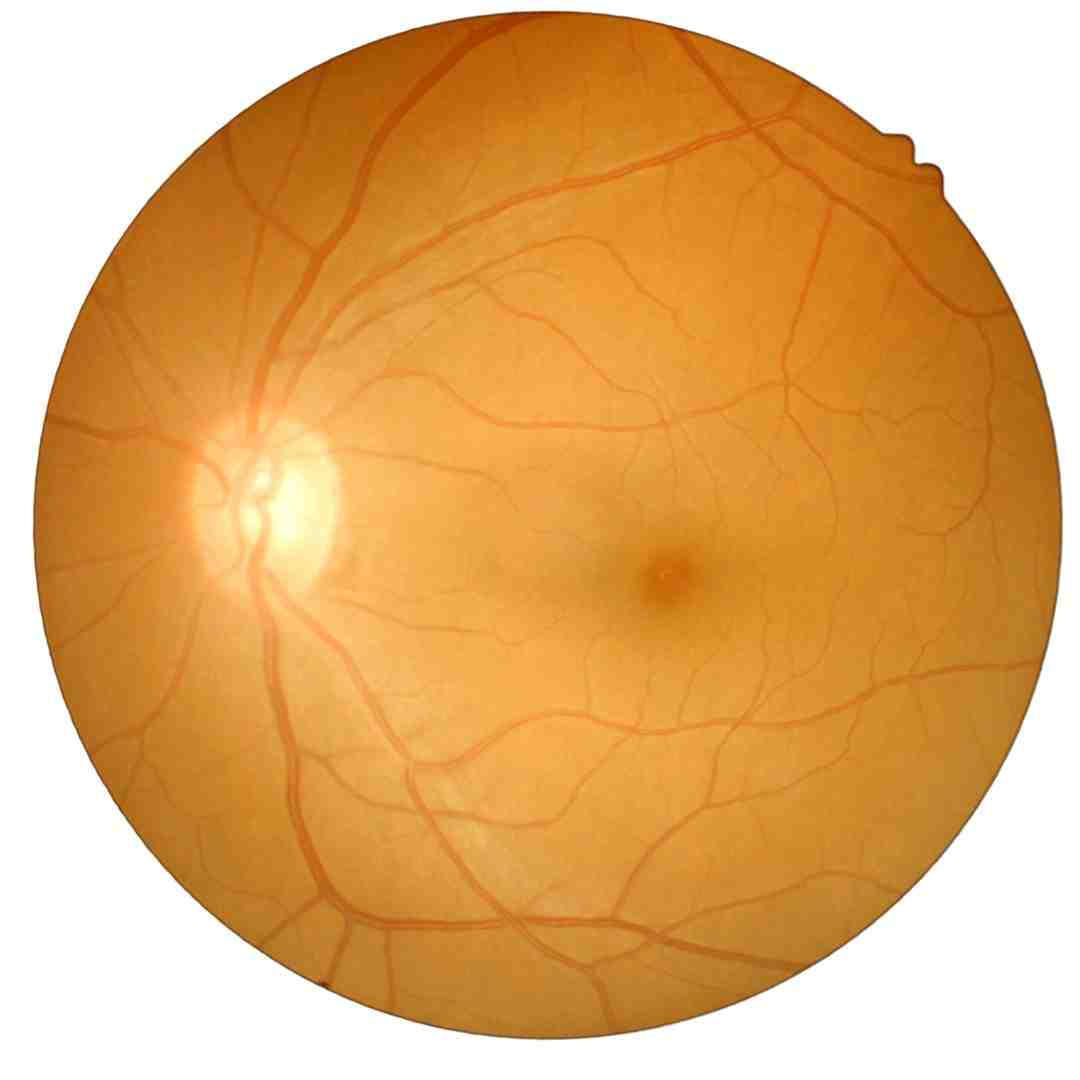
Retinal detachment occurs when the retina—the thin, light-sensitive layer at the back of the eye—separates from the underlying supportive tissue.
The retina functions like a camera sensor, sending visual signals to the brain. When it detaches, it cannot function properly, and vision begins to fade.
Without prompt treatment, the damage can become irreversible.
Why Is Retinal Detachment an Emergency?
When the retina detaches:
- Oxygen and nutrient supply is reduced
- Retinal cells begin to die
- Vision loss can become permanent
The most critical factor is whether the macula (central vision area) is involved.
- Macula attached → Urgent surgery can preserve vision
- Macula detached → Vision recovery may be limited, even after surgery
This is why time = vision.
Warning Signs You Should Never Ignore:
Retinal detachment is usually painless. Symptoms may appear suddenly:
🚨 Emergency Symptoms:
- Sudden increase in floaters
- Flashes of light (like lightning streaks)
- Shadow or curtain over part of vision
- Sudden blurred or distorted vision
- Loss of side (peripheral) vision
If these occur, seek emergency eye care immediately.
What Causes Retinal Detachment?
Several risk factors increase the likelihood:
- Severe nearsightedness (high myopia)
- Eye injury or trauma
- Previous eye surgery (like cataract surgery)
- Family history of retinal problems
- Diabetic eye disease
- Aging (common after 40 years)
People with these risks should have regular retinal checkups.
Types of Retinal Detachment
1️⃣ Rhegmatogenous Retinal Detachment
Most common type. Caused by a tear or hole in the retina that allows fluid to pass underneath.
2️⃣ Tractional Retinal Detachment
Occurs when scar tissue pulls the retina away. Often seen in uncontrolled diabetes.
3️⃣ Exudative Retinal Detachment
Fluid builds up under the retina without a tear due to inflammation or tumors.
Each type requires different treatment approaches.
How Is It Treated?
Treatment depends on severity and type.
🔹 For Small Retinal Tears (Before Detachment)
- Laser photocoagulation
- Cryotherapy (freezing treatment)
These are quick outpatient procedures.
🔹 For Retinal Detachment
Surgical options include:
- Pneumatic Retinopexy (gas bubble injection)
- Scleral Buckling
- Vitrectomy
Early surgery gives the best chance of vision recovery.
How Fast Should You Act?
Immediately.
If the macula is still attached, surgery within 24 hours is often recommended.
If already detached, surgery is still urgent to preserve remaining vision.
Delaying even a few days can drastically reduce visual outcomes.
Can Vision Be Restored?
- If treated early, vision may return close to normal
- If delayed, permanent vision loss is possible
Even after successful surgery, some patients may notice:
- Slight distortion
- Reduced sharpness
- Need for glasses
But early detection dramatically improves prognosis.
Prevention & Early Detection
While not all cases are preventable, you can reduce risk by:
- Managing diabetes properly
- Wearing protective eyewear during sports
- Getting annual dilated retinal exams
- Immediately reporting flashes or floaters
High-risk individuals should not ignore even minor symptoms.
Final Verdict: Is Retinal Detachment an Emergency?
Absolutely.
Retinal detachment is one of the most serious eye emergencies.
It requires immediate medical attention to prevent permanent blindness.
If you notice sudden visual changes, don’t wait.
See an eye specialist immediately.
Your vision depends on how fast you act.