

Introduction to Cataracts
Cataracts are one of the most common causes of vision loss worldwide, especially in people over the age of 50. But what exactly is a cataract? In simple terms, a cataract occurs when the lens inside your eye becomes cloudy, making it difficult to see clearly. Picture your eye lens as a clean glass window — when it gets foggy, the world outside looks blurred and dull. Cataracts can affect one eye or both, and they develop gradually over time.
What Are Cataracts?
Your eye lens is normally clear and helps focus light onto the retina, allowing you to see sharply. With cataracts, proteins in the lens start to clump together, forming cloudy areas. This clouding can interfere with light passing through the lens, leading to vision problems. While aging is the most common cause, other factors like diabetes, prolonged UV exposure, smoking, trauma, or even certain medications can trigger cataract formation.
Symptoms and Warning Signs
How do you know if you have cataracts? Here are some common signs:
- Blurred or hazy vision, as if looking through a foggy window
- Difficulty seeing at night or in low-light conditions
- Glare or halos around lights, especially headlights while driving
- Fading or yellowing of colors
- Double vision in a single eye
- Frequent changes in your eyeglass prescription
If you notice any of these symptoms, it’s essential to schedule an eye exam. Early detection can help you plan for timely treatment and avoid unnecessary vision loss.

Traditional Cataract Surgery vs. Laser Eye Surgery
When cataracts start affecting daily life, surgery becomes the most effective solution. Over the years, cataract surgery has evolved dramatically, especially with the introduction of laser technology. Let’s compare the traditional method with laser-assisted surgery.
Conventional Phacoemulsification
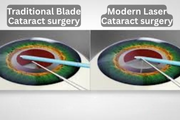
Traditional cataract surgery, known as phacoemulsification, involves making a small incision in the eye, using ultrasound waves to break up the cloudy lens, and then removing it. The surgeon then implants an artificial intraocular lens (IOL) to restore vision. While highly effective, this procedure relies heavily on the surgeon’s skill and precision. Minor variations in technique can affect outcomes like astigmatism correction or lens placement.
What Makes Laser Cataract Surgery Different?
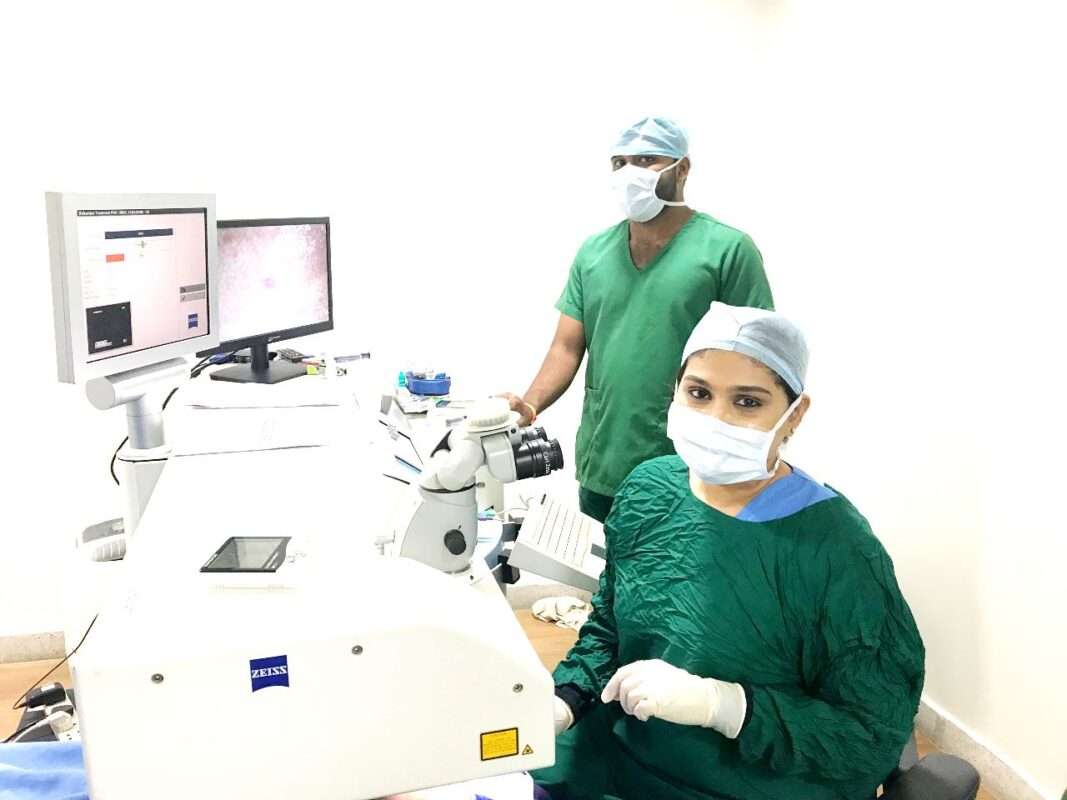
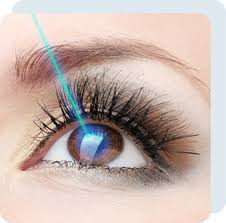
Laser cataract surgery uses a femtosecond laser to perform critical steps with extreme precision. From creating corneal incisions to fragmenting the lens, the laser provides a level of accuracy that is difficult to achieve manually. Think of it like replacing a hand-held chisel with a high-precision laser cutter. This reduces risks, improves visual outcomes, and enhances patient safety.
How Laser Eye Surgery for Cataracts Works
Laser eye surgery for cataracts combines advanced imaging with femtosecond laser technology. Here’s a step-by-step look at the process:
Pre-operative Assessment
Before surgery, your eye undergoes a detailed assessment using advanced imaging tools. Measurements like corneal curvature, lens density, and eye length help the surgeon plan a personalized procedure. This ensures that the laser can create precise incisions and the correct type of intraocular lens is selected.
Laser-assisted Incisions
The femtosecond laser makes ultra-precise corneal incisions, reducing the risk of human error. These tiny incisions heal faster and with less trauma than manual cuts.
Capsulotomy and Lens Fragmentation
The laser creates a perfectly sized opening in the lens capsule (capsulotomy) and softens the cataract into smaller pieces. This makes lens removal easier and reduces stress on the eye.
Intraocular Lens (IOL) Implantation
After the cloudy lens is removed, an artificial lens is implanted. Patients can choose from various IOL types based on their lifestyle, vision goals, and eye condition. This is the step that restores clear, crisp vision.
Post-operative Care
After surgery, patients receive antibiotic and anti-inflammatory eye drops to prevent infection and control inflammation. Most patients notice significant improvement in vision within a few days, though full healing may take several weeks.
Types of Intraocular Lenses (IOLs) Used
Choosing the right IOL is crucial for optimal vision after cataract surgery. Here are the main types:
Monofocal Lenses
Monofocal lenses provide clear distance vision. Patients may still need reading glasses for near work but enjoy excellent distance clarity.
Multifocal Lenses
Multifocal lenses allow clear vision at multiple distances, reducing dependence on glasses for reading and daily activities.
Toric Lenses
Toric lenses correct astigmatism along with cataracts. These lenses help reduce blurred vision caused by irregular corneal shape.
Extended Depth of Focus (EDOF) Lenses
EDOF lenses provide a continuous range of vision from near to far, offering a more natural visual experience and reducing the need for glasses.
Benefits of Laser Cataract Surgery
Laser-assisted cataract surgery offers several advantages over conventional methods:
Precision and Accuracy
The laser’s precision ensures accurate incisions, perfectly sized capsulotomy, and optimal lens placement. This improves visual outcomes and reduces post-operative complications.
Reduced Risk of Complications
Laser surgery minimizes tissue trauma and reduces the risk of infection, inflammation, and other complications.
Faster Recovery Time
Patients often resume normal activities sooner compared to traditional surgery, sometimes within 24–48 hours.
Better Visual Outcomes
Enhanced precision leads to improved vision quality, better contrast sensitivity, and less dependence on glasses.
Risks and Considerations
Like any medical procedure, laser cataract surgery has potential risks.
Potential Side Effects
Some patients may experience temporary blurred vision, glare, halos, or dry eyes. Rarely, serious complications such as retinal detachment or infection can occur.
Who May Not Be Suitable?
Not all patients are candidates for laser cataract surgery. Those with severe corneal diseases, uncontrolled glaucoma, or certain retinal conditions may require conventional surgery. A thorough evaluation by a qualified surgeon is essential.
Preparing for Laser Eye Surgery
Proper preparation can make a huge difference in outcomes and recovery.
Pre-surgery Instructions
- Avoid wearing contact lenses for a period before surgery
- Follow instructions on medications — some may need to be paused
- Arrange transportation since driving is not possible immediately after surgery
Lifestyle Adjustments Before Surgery
Maintaining a healthy diet, staying hydrated, and avoiding alcohol or smoking before surgery can aid healing. Getting a good night’s sleep also prepares your body for recovery.
Recovery and Post-Surgery Care
Typical Recovery Timeline
Most patients notice improved vision within a few days, but full healing can take 2–4 weeks. Swelling and mild discomfort are common initially.
Tips for a Smooth Recovery
- Use prescribed eye drops diligently
- Avoid rubbing or pressing on your eyes
- Protect your eyes from dust, water, and strong sunlight
- Avoid heavy lifting or strenuous activities for the first week
Follow-up Appointments
Follow-ups are critical to monitor healing, check lens position, and ensure optimal outcomes. Your surgeon will advise the schedule, usually starting within 24–48 hours post-surgery and continuing over several weeks.
Cost of Laser Cataract Surgery
Factors Affecting Cost
The overall cost depends on:
- Type of IOL selected
- Complexity of the cataract
- Surgeon’s experience and clinic location
- Advanced imaging or laser technology used
Insurance Coverage and Financing Options
Many insurance plans partially cover laser cataract surgery, though premium lenses may require additional payment. Some clinics offer financing options or installment plans for easier affordability.
Choosing the Right Eye Surgeon
Qualifications to Look For
Select a board-certified ophthalmologist with specialized training in laser-assisted cataract surgery. Experience, success rates, and patient reviews are key indicators of quality care.
Questions to Ask Your Surgeon
- What type of IOL suits my lifestyle best?
- How many laser cataract procedures have you performed?
- What is the expected recovery timeline?
- What are the possible risks or complications?
- How will follow-up care be managed?
Patient Experiences and Testimonials
Many patients report life-changing results after laser cataract surgery. People who struggled with daily activities like reading, driving, or watching TV often regain clarity and independence. Testimonials emphasize not just the improved vision but also the comfort and convenience of the procedure.
Conclusion
Laser eye surgery for cataracts has transformed vision care, providing unparalleled precision, safety, and faster recovery. With multiple lens options and personalized treatment plans, patients can enjoy better vision and improved quality of life. Early consultation with a skilled surgeon ensures the best outcomes and minimizes potential risks. If you’re experiencing cataract symptoms, don’t wait — clear vision is just a laser away.
FAQs
1. Is laser cataract surgery painful?
No, it is virtually painless. Local anesthesia numbs the eye, and most patients feel only minimal discomfort.
2. How long does the surgery take?
Typically, each eye takes 15–30 minutes.
3. Can I choose the type of IOL?
Yes, your surgeon will discuss monofocal, multifocal, toric, or EDOF lenses based on your needs.
4. How soon will I see clearly after surgery?
Many patients notice significant improvement within a few days; complete recovery may take a few weeks.
5. Are there age restrictions for laser cataract surgery?
There’s no strict age limit, but older patients may have additional considerations that the surgeon will evaluate.