

Introduction:
Cataracts are one of the most common causes of vision problems worldwide. If left untreated, they can gradually blur your eyesight, making everyday activities like reading, driving, or even recognizing faces difficult. The good news? Cataract surgery is one of the safest and most effective eye procedures today. But here’s the catch—you need the best cataract eye hospital to ensure you get safe treatment, advanced technology, and long-lasting results.
But the real challenge lies in choosing the best cataract eye hospital. With so many clinics and hospitals offering cataract treatment, how do you know which one provides the highest quality care, advanced technology, and the best outcomes? This comprehensive guide will walk you through everything you need to know before selecting the right hospital for your cataract surgery.

What Is a Cataract?
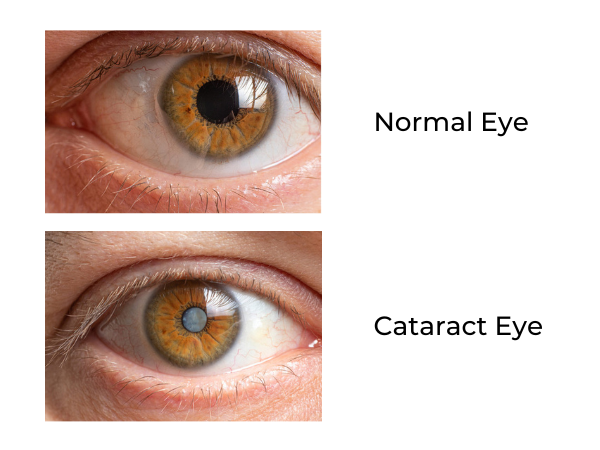
A cataract is the clouding of the natural crystalline lens in the eye, which interferes with light passing through to the retina. It usually develops slowly and may affect one or both eyes.
Common symptoms of cataracts include:
- Blurred or cloudy vision
- Increased sensitivity to light and glare
- Fading or yellowing of colors
- Double vision in one eye
- Poor night vision
- Frequent changes in glasses prescription
When these symptoms interfere with daily life, cataract surgery becomes the most effective solution.
Why Choosing the Best Cataract Eye Hospital Matters
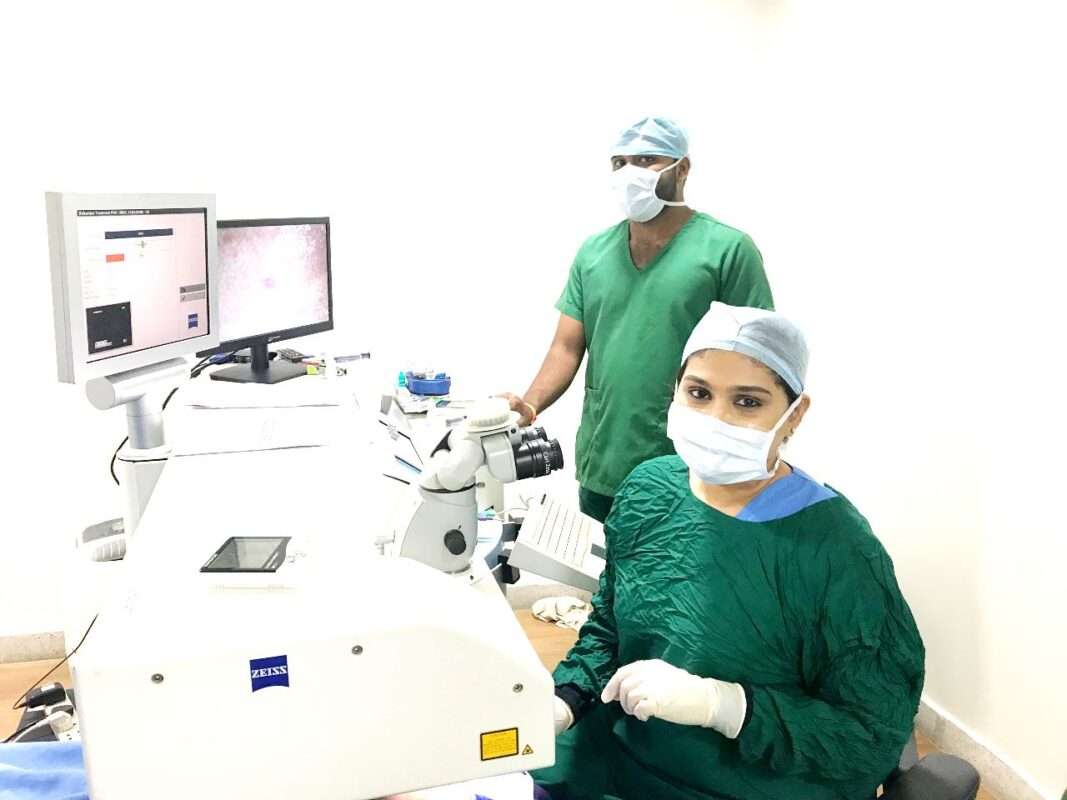
Cataract surgery is a delicate procedure that requires precision, expertise, and advanced equipment. While the surgery itself takes less than 20 minutes per eye in most cases, its success depends on:
- Surgeon’s expertise – A highly trained ophthalmologist ensures precision and safety.
- Technology used – From advanced diagnostics to premium intraocular lenses (IOLs), technology can make a big difference in outcomes.
- Hospital infrastructure – Sterile operation theatres, specialized equipment, and well-trained staff ensure patient comfort and safety.
- Patient care and support – Pre-operative counseling and post-operative care are as important as the surgery itself.
Choosing the wrong hospital may result in complications, limited vision improvement, or lack of access to the best treatment options. That’s why finding the best cataract eye hospital near you is critical.
Key Factors to Consider When Selecting a Cataract Eye Hospital
Here are the most important factors to evaluate before making a decision:
1. Expertise and Experience of the Surgeon
Look for hospitals with board-certified ophthalmologists who specialize in cataract and refractive surgeries. Experienced surgeons have performed thousands of procedures and can handle complex cases effectively.
2. Technology and Equipment
The best hospitals use cutting-edge technology such as:
- Phacoemulsification (Phaco) Surgery – Ultrasound-based lens removal with micro-incisions.
- Femtosecond Laser-Assisted Cataract Surgery (FLACS) – Blade-free laser technology for maximum precision.
- Premium Intraocular Lenses (IOLs) – Multifocal, toric, and extended depth of focus lenses to correct vision.
3. Accreditation and Certifications
Check if the hospital is accredited by recognized medical boards and associations, ensuring adherence to strict safety and hygiene standards.
4. Comprehensive Eye Care Services
A good hospital doesn’t just stop at surgery. It provides complete care including diagnostics, counseling, follow-ups, and treatment for related eye conditions.
5. Patient Reviews and Testimonials
Online reviews, patient stories, and word-of-mouth recommendations are reliable indicators of the hospital’s reputation.
6. Cost Transparency
Cataract surgery costs can vary based on the type of lens chosen, technology used, and hospital facilities. The best hospitals provide clear cost breakdowns without hidden charges.
7. Post-Surgery Care
Recovery support, regular follow-ups, and accessible doctors ensure long-term results and patient satisfaction.
Advanced Cataract Surgery Options Available at Top Hospitals
When searching for the best cataract hospital, check if they offer advanced treatment options:
- Traditional Cataract Surgery – Safe and effective but involves larger incisions.
- Phacoemulsification (Phaco) Surgery – The gold standard worldwide for minimal pain, faster healing, and better visual outcomes.
- Femtosecond Laser Cataract Surgery (Robotic/Blade-Free) – Offers unparalleled accuracy, reduced complications, and predictable results.
- Premium Lens Implants – Multifocal, toric, trifocal, and EDOF (Extended Depth of Focus) lenses help patients achieve freedom from glasses after surgery.
Benefits of Choosing the Best Cataract Eye Hospital
- Personalized treatment plans tailored to individual needs.
- High success rate with reduced complications.
- Quick recovery and better quality of life.
- Access to latest lens technologies for clearer vision at all distances.
- Holistic eye care including glaucoma screening, retina checkups, and overall vision management.
Cost of Cataract Surgery in India
The cost of cataract surgery depends on several factors such as the hospital, surgeon expertise, technology used, and type of IOL selected.
| Type of Surgery | Estimated Cost (per eye) |
|---|---|
| Conventional Surgery | ₹15,000 – ₹25,000 |
| Phacoemulsification | ₹25,000 – ₹45,000 |
| Femtosecond Laser Surgery | ₹50,000 – ₹1,00,000 |
| Premium IOLs (Multifocal/Toric) | ₹40,000 – ₹1,20,000 |
Note: Many hospitals offer insurance and cashless facilities, making treatment more affordable.
How to Prepare for Cataract Surgery
- Get a thorough eye examination.
- Discuss IOL options with your surgeon.
- Inform your doctor about medical conditions or medications.
- Arrange someone to accompany you on surgery day.
- Follow pre-operative instructions such as avoiding food, medications, or eye drops if advised.
Recovery After Cataract Surgery
Recovery is usually quick and painless. Most patients notice improved vision within 24–48 hours.
Post-surgery care tips:
- Avoid rubbing or pressing the eye.
- Use prescribed eye drops regularly.
- Wear protective sunglasses outdoors.
- Avoid heavy lifting and strenuous activities for at least a week.
- Attend all follow-up appointments.
Choosing the Best Cataract Eye Hospital Near You
When looking for the right hospital, consider:
- Hospitals with renowned cataract specialists.
- Availability of advanced laser technology.
- A track record of thousands of successful surgeries.
- Positive patient testimonials.
- Affordable and transparent cost packages.
Final Thoughts
Your eyesight is precious. When it comes to cataract treatment, choosing the best cataract eye hospital can make the difference between average results and life-changing vision. Look for hospitals that combine expertise, advanced technology, and compassionate care.
With the right hospital and surgeon, cataract surge is not just about removing a cloudy lens—it’s about restoring clarity, independence, and quality of life.
FAQs About Cataract Surgery and Hospitals
1. Is cataract surgery painful?
No. It is performed under local anesthesia, and patients usually feel no pain during the procedure.
2. How long does cataract surgery take?
On average, 15–20 minutes per eye.
3. Will I need glasses after cataract surgery?
That depends on the type of intraocular lens implanted. Premium lenses can reduce or eliminate the need for glasses.
4. Can cataracts come back after surgery?
No. Once the natural cloudy lens is replaced, cataracts cannot return. However, a condition called posterior capsule opacification (PCO) may occur, which can be easily treated with a laser procedure.
5. What is the success rate of cataract surgery?
Over 98% success rate worldwide, especially when performed at advanced hospitals.